
What Is the Best Salt?
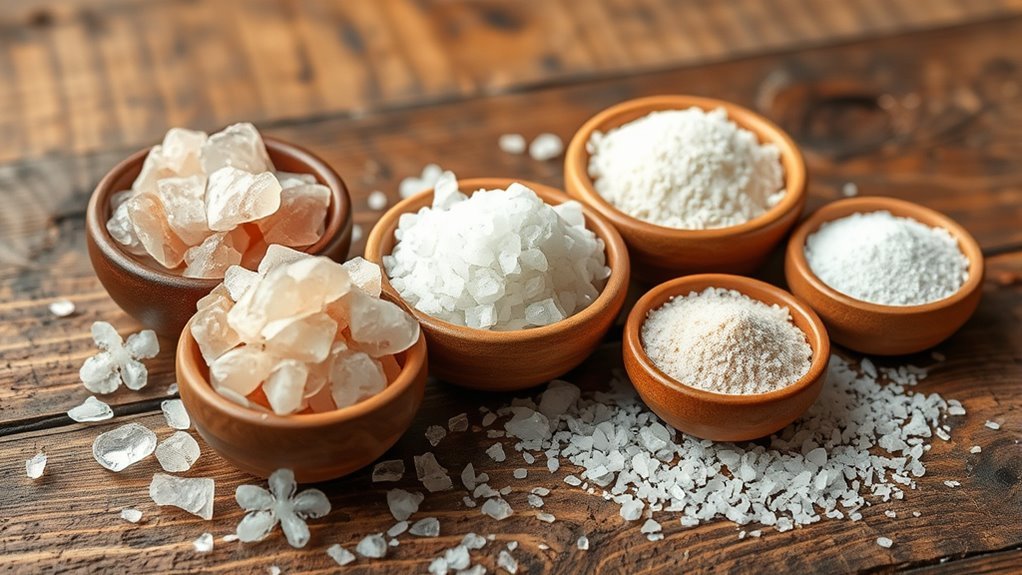
The best salt for you depends on your cooking needs and health goals. Salt plays a key role in flavoring your meals, but it’s also important for your body. Using iodized salt daily helps you get essential iodine, which supports thyroid and brain health.
If you’re looking for flavor and texture, natural sea salts or coarse finishing salts are great choices. They add subtle mineral nuances to your dishes, though they offer little health benefit.
Just remember, no matter which salt you pick, avoid overusing it to keep your sodium intake in check.
Want to master which salt suits your dishes and supports your well-being? There’s plenty more to contemplate!
Key Takeaways
- The best salt depends on culinary use: fine salt works great for baking, while coarse or finishing salts add texture and boost flavor.
- If you want to get your essential iodine, iodized salt is the way to go. It supports thyroid health and brain development, so it’s a smart daily choice.
- Natural salts like sea salt and Himalayan pink salt contain trace minerals that give a subtle flavor boost. But honestly, they don’t offer much in terms of health benefits.
- Too much salt is harmful, no matter what kind you use. So it’s best to focus on cutting down your overall sodium chloride intake.
- Use natural and finishing salts mainly to enhance taste and texture. Don’t rely on them for significant nutritional advantages.
What Makes Some Salts Healthier and Tastier?
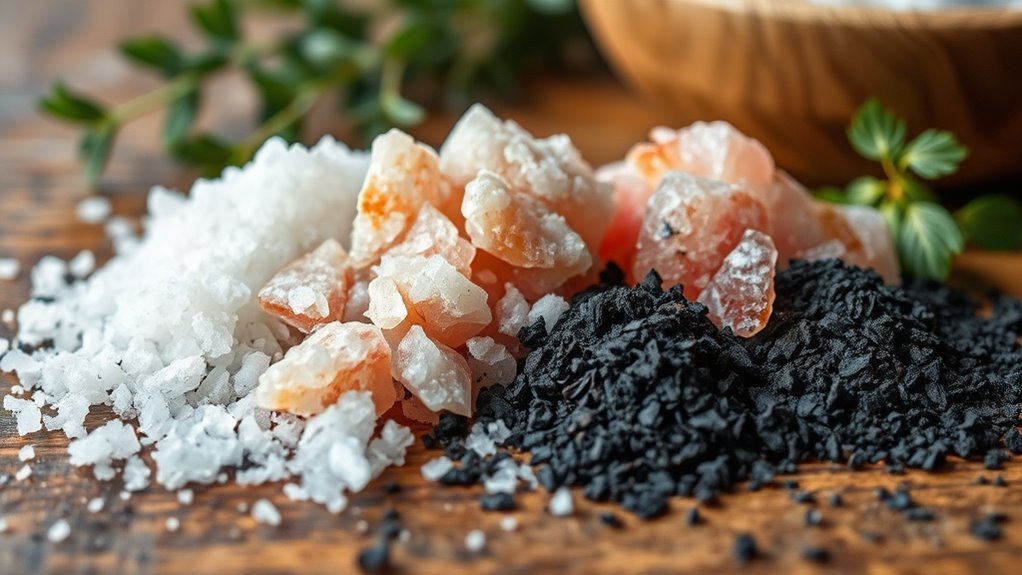
Although all salts mainly consist of sodium chloride, you might notice some taste better or seem healthier due to their mineral content and processing. Natural salts, like sea salt and Himalayan pink salt, are minimally processed and retain trace minerals that subtly influence their flavor profile.
These trace minerals contribute to slight mineral differences, giving each salt type a unique flavor enhancement. However, their impact on health is minimal unless you consume salt excessively.
When you use finishing salts, you’re adding texture and a burst of flavor without markedly increasing sodium intake. The variety of salt types available lets you experiment with flavor profiles in your dishes.
While mineral content may appeal to you, remember it rarely affects nutritional value. Instead, focus on how natural salts and their trace minerals can elevate your cooking experience by enhancing taste rather than delivering health benefits.
How Do You Choose the Right Salt for Cooking and Health?
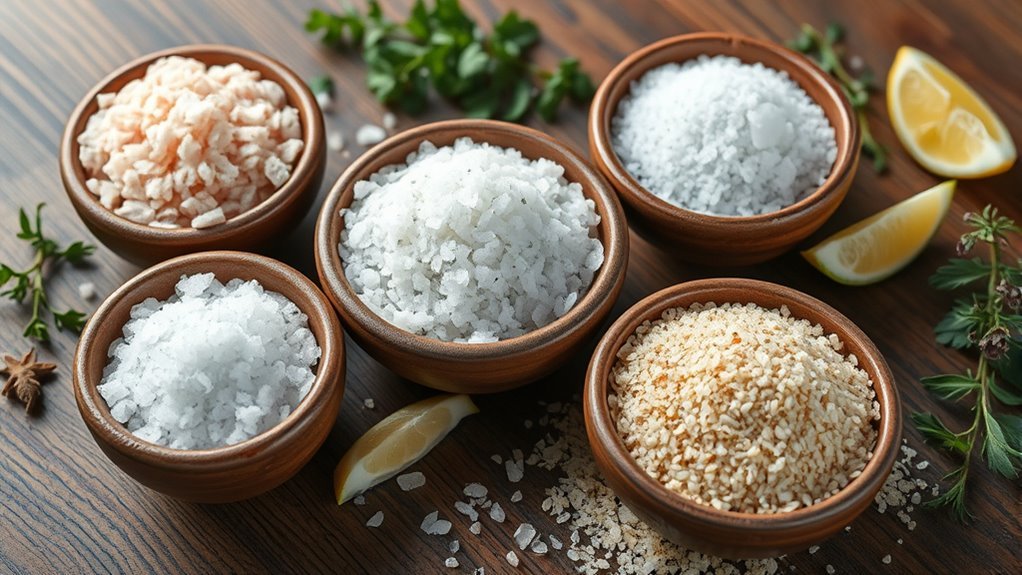
Understanding the subtle differences in salt types helps you appreciate their unique flavors. But when it comes to choosing the right salt for cooking and health, practical considerations matter more.
You want to balance flavor, culinary use, and health benefits without overdoing your sodium intake. So, here’s how to choose wisely:
- Prioritize iodized salt when you need a reliable iodine source. It’s essential for thyroid health and brain development. This makes it the best choice for everyday use since iodine is often lacking in other salts.
- Use sea salts or finishing salt with coarse grains for flavor and texture enhancement. These contain trace minerals, but their health benefits are pretty minimal. So, use them mainly for culinary purposes.
- Match the salt type to your culinary use: fine salt for baking, and coarse or flaky finishing salts for sprinkling. Just remember, reducing your overall sodium chloride consumption is key to better health, no matter which salt you pick.
Frequently Asked Questions
What Is the Healthiest Salt for Health?
The healthiest salt for you is iodized table salt because it provides essential iodine for your thyroid and brain.
But remember, no matter the salt, you should keep your intake moderate to protect your heart and overall health.
Which Is Better, Himalayan Salt or Celtic Salt?
You’ll find neither Himalayan nor Celtic salt is truly better health-wise.
Choose based on your flavor and texture preference: Celtic salt’s moist, mineral-rich crunch suits finishing dishes, while Himalayan salt offers a dry, pink aesthetic.
It really comes down to what you like best in your cooking and presentation. Just pick the one that feels right for your taste buds and the look you want on your plate!
Which Salt to Avoid?
Wondering which salt to avoid? You should steer clear of heavily processed table salt with additives. These often contain ingredients that aren’t great for your health.
Also, watch out for flavored or smoked salts with artificial ingredients. They might taste good, but they’re not the healthiest choice.
And don’t go overboard with Himalayan or sea salts. Using too much can risk your sodium intake and overall health. It’s all about balance!
Is Himalayan Salt Really Better Than Sea Salt?
You shouldn’t believe Himalayan salt is better than sea salt; both have similar sodium content and trace minerals.
Choose based on taste and cooking needs, not health claims. Neither offers significant nutritional advantages.
Conclusion
When choosing salt, remember that not all salts are created equal. For example, Himalayan pink salt contains over 80 trace minerals, making it a flavorful and potentially healthier option than regular table salt.
You’ll want to pick a salt that suits your taste and health needs. So, next time you cook, trust your palate and opt for a salt that adds both flavor and benefits to your meals.
In the end, the best salt really depends on what you’re looking for. Whether it’s the rich mineral content of Himalayan pink salt or the clean taste of sea salt, choosing the right salt can enhance your dishes while supporting your health. So, keep your preferences and nutritional goals in mind when selecting salt, and enjoy the delicious boost it brings to your cooking.