
Sugar or Salt: 10 Reasons One Is Worse
You probably consume more sugar than salt without even realizing it. Sugar harms your heart and raises blood pressure more aggressively than salt does.
Sugary drinks, for example, can spike your systolic pressure by up to 15 points. They also boost insulin resistance, which worsens your cardiovascular risk.
Salt does raise blood pressure and cancer risk too, but hidden sugars in low-sodium foods often cancel out those benefits.
Balancing both sugar and salt intake is really the key.
Cutting sugar quickly can improve your heart health in noticeable ways.
Keep exploring to understand why managing these two matters so much for your overall well-being.
Key Takeaways
- Excess sugar raises blood pressure more than salt by increasing insulin resistance and blood vessel constriction.
- Consuming 24 oz of sugary soda can spike systolic blood pressure by up to 15 points, stressing heart health.
- High salt intake raises blood pressure and cardiovascular risks but often coexists with hidden sugars in processed foods.
- Reducing sugar intake below 10% of daily calories lowers blood pressure, triglycerides, and cardiovascular mortality risk.
- Salt reduction may increase cravings for sugary foods, potentially negating heart health benefits from lower sodium.
How Sugar Raises Blood Pressure More Than Salt
Although many people blame salt for high blood pressure, sugar actually raises it more considerably by increasing insulin resistance and constricting blood vessels. When you consume added sugar, especially from sources like high fructose corn syrup, your body releases more insulin.
This hormone doesn’t just regulate blood sugar; it also narrows your blood vessels, making it harder for blood to flow freely and driving up your blood pressure. Drinking sugary beverages like soda can boost your systolic blood pressure by up to 15 points, a rise much more significant than what salt usually causes.
Unlike salt, which mostly affects blood pressure through fluid retention, sugar triggers metabolic changes that increase vascular resistance. Studies show that diets high in added sugar link more strongly to elevated blood pressure and cardiovascular risk than sodium intake.
How Salt Affects Your Blood Pressure and Cancer Risk
When you consume too much salt, it can raise your blood pressure and increase your risk of heart disease and stroke. Sodium, a key component of salt, plays a crucial role in regulating bodily functions. But too much of it leads to high blood pressure, which is a major health concern.
Over time, eating a lot of salt can also contribute to certain cancers, like stomach cancer. So, it’s important to keep an eye on how much sodium you’re getting.
Consistently high salt intake may increase the risk of cancers such as stomach cancer.
To manage your sodium intake effectively, consider these points:
Nearly 90% of dietary sodium comes from processed and restaurant foods. Choosing low-sodium alternatives can really help lower your risk of hypertension.
And don’t forget, regularly monitoring your salt intake supports both heart health and your overall well-being. It’s all about balance!
Why Excess Sugar Increases Heart Disease Risk
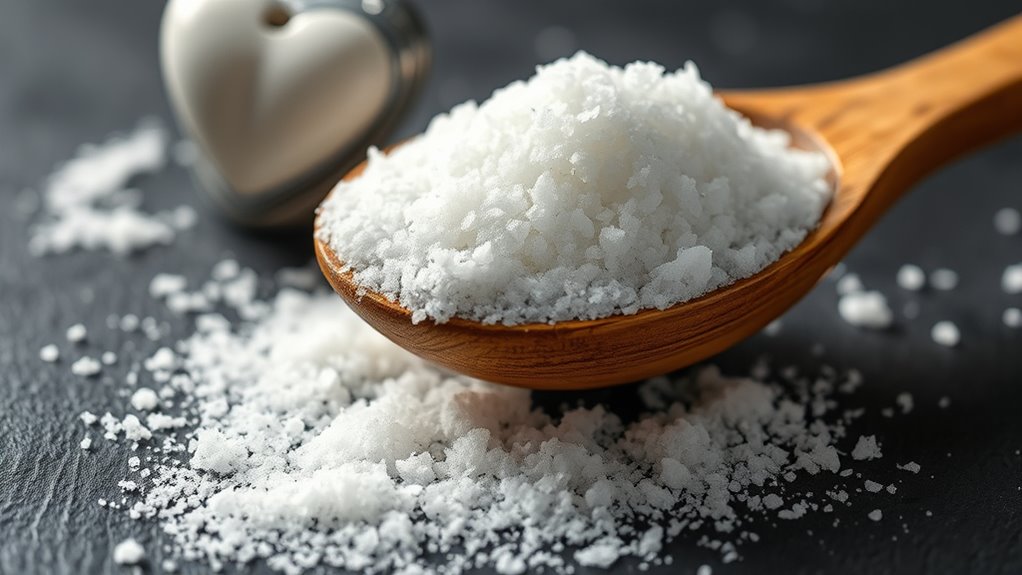
You might not realize that excess sugar can raise your blood pressure by several points, putting extra strain on your heart. Fructose in added sugars triggers insulin resistance and metabolic syndrome, both key drivers of cardiovascular problems.
Consuming too much added sugar sharply increases your risk of heart disease, making it a serious health concern. So, keeping an eye on how much sugar you eat is really important for your heart health.
Sugar’s Impact On Blood Pressure
How exactly does excess sugar raise your blood pressure and increase heart disease risk? When you consume too much sugar, especially added sugars, your blood pressure can spike considerably.
For example, drinking just 24 ounces of sugary soda can increase your systolic blood pressure by 15 points and diastolic by 9 points. This rise stresses your cardiovascular system, making heart disease more likely.
Here’s what happens when sugar impacts your blood pressure:
- It increases vascular resistance and heart rate, forcing your heart to work harder.
- Excess sugar stimulates insulin release, leading to insulin resistance and hypertension over time.
- Consuming more than 25% of your calories from added sugar nearly triples your risk of death from cardiovascular events.
Fructose And Metabolic Syndrome
Excess sugar doesn’t just raise your blood pressure—it also plays a significant role in metabolic syndrome, especially through fructose. When you consume too much fructose, your triglycerides and fasting insulin levels spike rapidly, increasing your risk of metabolic syndrome within just two weeks.
Fructose triggers insulin release, which can lead to insulin resistance—a critical step toward type 2 diabetes and hypertension. Unlike natural sugars in fruits, processed fructose overloads your liver, stressing metabolic pathways and worsening your lipid profile.
This contributes to obesity and chronic inflammation. Over time, these changes raise oxidative stress and heart disease risk.
Added Sugar And Cardiovascular Risk
More than 17% of your daily calories coming from added sugar can nearly triple your risk of dying from cardiovascular disease. When you consume excess added sugars, your cardiovascular risk rises sharply due to harmful changes in your body.
Within just two weeks, added sugars can increase triglycerides, fasting insulin, and promote metabolic syndrome. High intake from processed foods and sugary drinks also elevates blood pressure, further stressing your heart.
Consider these impacts of added sugars on your cardiovascular health:
- Raises blood pressure and triglyceride levels
- Promotes insulin resistance and metabolic syndrome
- Increases risk of heart disease and cardiovascular mortality
Limiting added sugars to recommended levels can substantially reduce your cardiovascular risk and protect your heart. It’s a small change that can make a big difference!
How Fructose Impacts Metabolism and Insulin Resistance
You might not realize how quickly fructose can disrupt your metabolism and promote insulin resistance. Just a short period of high fructose intake raises triglycerides and fasting insulin, setting the stage for metabolic problems.
It’s pretty eye-opening once you understand these effects. That’s why cutting back on processed fructose really matters for your health.
Fructose and Insulin Resistance
Although fructose naturally occurs in many foods, consuming it in high amounts can disrupt your metabolism and lead to insulin resistance. When you eat too much fructose, your liver processes it differently than glucose, promoting fat buildup and impairing insulin signaling.
This can cause your body to become less responsive to insulin, increasing the risk of type 2 diabetes.
Here’s what happens when you overconsume fructose:
It stimulates excess insulin release, contributing to insulin resistance. It also raises triglyceride levels and speeds up metabolic syndrome development.
Plus, it elevates cholesterol, which worsens metabolic health and increases cardiovascular risk.
Understanding how fructose impacts insulin resistance can help you make smarter dietary choices. This way, you can protect your long-term health.
Metabolic Effects of Fructose
When your body processes fructose, it triggers a series of metabolic changes that can quickly disrupt insulin function. Unlike glucose, fructose is mainly processed in the liver, where it promotes fat production through de novo lipogenesis.
This fat accumulation elevates triglyceride levels and contributes to insulin resistance. Within just two weeks of high fructose intake, you can see increased fasting insulin, signaling early metabolic disruption.
Excessive fructose also pushes your pancreas to release more insulin, which over time impairs glucose metabolism and worsens insulin resistance. This cycle raises your risk for metabolic syndrome and cardiovascular disease due to elevated cholesterol and triglycerides.
Keep in mind, natural sugars in fruits don’t cause these effects—processed fructose added to foods and drinks is the real problem.
Why Natural Sugars in Fruit Are Safer for Heart Health
Since natural sugars in fruit come with fiber, vitamins, and antioxidants, they affect your heart health differently than processed sugars. When you eat whole fruits, the fiber slows down sugar absorption, preventing sharp blood sugar spikes that can harm your cardiovascular system.
Natural sugars in fruit, paired with fiber and nutrients, help prevent harmful blood sugar spikes for heart health.
This steady release supports stable insulin levels and lowers your risk of heart disease. Unlike added sugars, natural sugars in fruit don’t contribute as much to insulin resistance or metabolic syndrome, both of which can damage your heart over time.
Studies even link eating whole fruits to lower blood pressure—a key factor in heart health.
Here’s why natural sugars are safer for your heart:
- Fiber in fruit moderates sugar absorption and promotes healthy blood glucose levels.
- Antioxidants reduce inflammation and protect blood vessels.
- Vitamins support overall cardiovascular function and reduce heart disease risk.
Choosing fruit means you’re giving your heart a healthier, more balanced sugar source.
How Soda and Processed Foods Increase Sugar and Blood Pressure Risk
You might enjoy the natural sweetness of fruit, but sugary sodas and processed foods add a very different kind of sugar to your diet—one that can quickly drive up your blood pressure. Just drinking 24 ounces of soda can raise your systolic blood pressure by 15 points because of its high sugar content.
Processed foods often contain added sugars that push your sugar intake far beyond healthy levels. The high fructose in these foods and drinks triggers insulin release, which can lead to insulin resistance and hypertension over time.
Since nearly 90% of dietary sodium comes from processed foods, you’re not only consuming excess salt but also hidden sugars that worsen your blood pressure. Regularly eating sugary, processed foods increases your risk of hypertension and cardiovascular problems.
To protect your heart, it’s vital to monitor and limit your sugar intake from these often-overlooked sources in processed foods and sodas.
How Cutting Salt Can Lead to Hidden Sugar Overconsumption
When you cut salt from your diet, you might find yourself reaching for sweeter foods without realizing it. Many low-sodium products add sugar to keep flavor, which can increase your overall sugar intake.
It’s a bit sneaky, right? Being aware of this compensation can help you make smarter choices for your health.
Sodium Reduction Consequences
Although cutting back on salt can improve heart health, it often leads people to consume more processed foods loaded with hidden sugars. When you reduce sodium intake, you might crave sweeter flavors, pushing you toward sugary snacks and beverages.
Many low-sodium products compensate for flavor loss by adding processed sugars, which can cancel out your health efforts. Without proper guidance, cutting salt may unintentionally increase your sugar consumption.
Keep in mind:
- Processed foods labeled “low sodium” often contain added sugars.
- Cravings for sweetness rise as your salt intake drops.
- Increased processed sugars can undermine heart health gains.
To truly benefit from sodium reduction, you need to watch out for hidden sugars and choose whole, minimally processed foods. It’s all about finding the right balance!
Sugar Intake Compensation
Since reducing salt can dull the flavors you enjoy, many people end up reaching for processed foods packed with added sugars to satisfy their taste buds. When you cut back on sodium, your cravings for sweet or salty snacks often increase, leading you to choose foods high in sugar.
To keep meals flavorful, you might add sugar or opt for sugary processed foods instead of salt. This compensation can sneakily raise your overall sugar intake and calorie count, undermining the health benefits you hoped to gain from lowering salt.
Studies show that without watching out for hidden sugars in processed foods, you risk increasing your chances of metabolic and cardiovascular problems. So, cutting salt alone isn’t enough—you need to be mindful of sugar too.
Why Keeping Sugar and Salt in Check Matters for Your Heart
Because you might not realize it, excess sugar can raise your blood pressure more than salt does, increasing your risk of heart problems. While sodium gets a lot of blame for hypertension, sugar’s impact is often stronger and more widespread.
Consuming too much sugar, especially from processed foods and sugary drinks, can elevate blood pressure by 5-7 points and strain your heart through insulin resistance and higher cholesterol levels.
Too much sugar, especially in processed foods and drinks, raises blood pressure and strains the heart.
To keep your heart healthy, watch both sugar and sodium intake:
- High sugar intake links to metabolic syndrome, which stresses your cardiovascular system.
- Just 24 ounces of soda can spike your systolic blood pressure by 15 points.
- Limiting added sugar to under 10% of daily calories helps prevent hypertension and heart disease.
Balancing sugar and sodium intake is key to protecting your heart and maintaining healthy blood pressure.
How Reducing Sugar Quickly Improves Cardiovascular Health
When you cut back on added sugar, your cardiovascular system starts benefiting within just a few weeks. You’ll notice your blood pressure dropping by 5-7 points, easing the strain on your heart.
Reducing sugar intake also lowers your heart rate and decreases vascular resistance, both essential for improving cardiovascular health. Plus, cutting sugar helps reduce triglycerides and fasting insulin levels, which are key risk factors for heart disease.
When you keep sugar consumption below 10% of your daily calories, you considerably lower your risk of cardiovascular mortality. Importantly, less sugar means a lower chance of developing insulin resistance, a major contributor to hypertension and metabolic syndrome.
Practical Tips to Balance Sugar and Salt for a Healthy Heart
Balancing sugar and salt in your diet plays an essential role in maintaining a healthy heart. You can start making simple changes today to achieve this.
Keeping your sodium intake below 2,300 mg daily helps reduce blood pressure. At the same time, limiting added sugars prevents unnecessary strain on your cardiovascular system.
Focus on whole, unprocessed foods to naturally curb both sugar and salt consumption.
Here are practical tips to keep your heart healthy:
- Use herbs, spices, or lemon to flavor meals instead of salt. This way, you can cut down on sodium without sacrificing taste.
- Read food labels carefully to spot and limit added sugars. Watch out especially for processed items like bread, sauces, and snacks.
- Swap sugary drinks for flavored water infused with fresh fruit or herbs. It’s an easy way to reduce your added sugar intake.
Frequently Asked Questions
Which One Is Worse for You, Salt or Sugar?
Sugar is worse for you because it considerably increases your risk of heart disease and metabolic problems. You should limit added sugars since they promote inflammation and insulin resistance.
These effects are actually more harmful than what salt does to your body. So, cutting back on sugar can really make a difference in your health.
What Is the #1 Worst Food for Blood Sugar?
The #1 worst food for your blood sugar is processed items loaded with added sugars, like sugary cereals and candies. They cause rapid blood glucose spikes, stressing your insulin response and increasing your risk for metabolic issues.
Honestly, these kinds of foods hit your blood sugar hard and fast. It’s like giving your body a sugar rollercoaster ride it definitely doesn’t need. So, cutting back on them can really help keep your blood sugar steady.
What Are the First Signs of Too Much Salt?
You’ll notice swelling or puffiness in your hands, feet, and face first. You might feel thirsty and have a dry mouth.
Your heartbeat could speed up, and you may start feeling headaches or fatigue soon after. It’s kind of your body’s way of telling you something’s off.
What Happens After 2 Weeks of No Sugar?
After just two weeks without sugar, you’ll practically transform—your triglycerides plummet, cravings vanish, and your insulin sensitivity skyrockets.
You’ll feel more in control, with lower blood pressure and inflammation, like your body’s hitting the reset button.
Conclusion
So, you want to binge on salt and sugar like it’s a party in your arteries? Sure, go ahead—invite high blood pressure, heart disease, and insulin resistance to dance!
But if you prefer your heart to keep the beat a little longer, maybe ease up on these sneaky saboteurs. Remember, balancing salt and sugar isn’t just about taste—it’s about dodging a health drama you didn’t sign up for.
Cutting back on excessive salt and sugar can help you avoid serious issues like hypertension and diabetes. Your heart will thank you, eventually, for making smarter choices.
In the end, managing your salt and sugar intake is key to maintaining good health. It’s not just about flavor—it’s about preventing long-term damage. So, think of it as a way to keep your heart strong and your body happy.