
What Type of Salt Is Best?
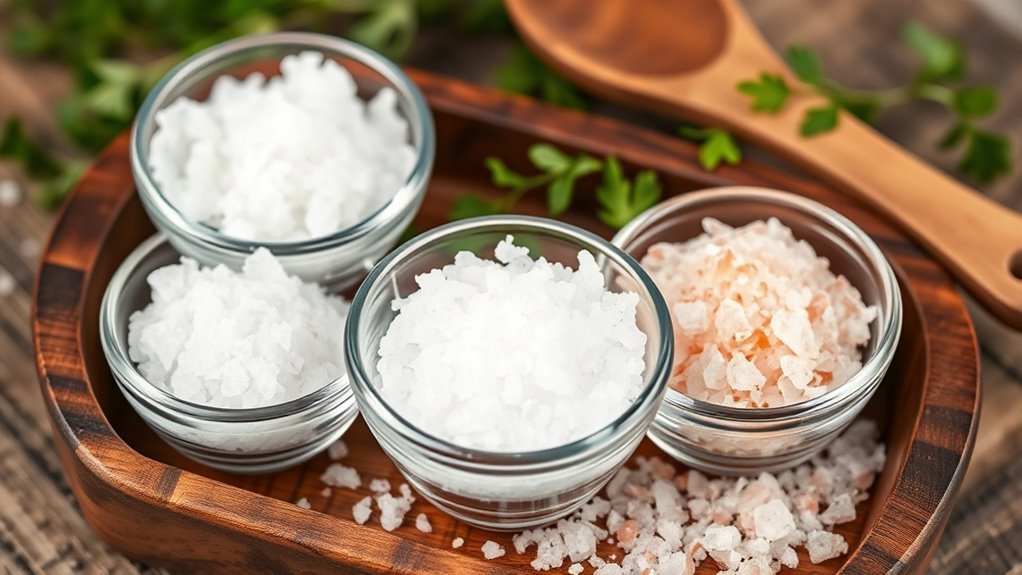
Choosing the best salt depends on your cooking needs and the type of salt you prefer. Fine salt is great for quick dissolving and even seasoning, making it perfect for baking and everyday dishes. It blends easily, so you get consistent flavor every time.
Coarse and flaky salts are a different story—they add texture and visual appeal to your food. These salts don’t just enhance taste; they also boost your dish’s presentation, giving it a gourmet touch.
If nutrition is a priority, iodized salt is the way to go. It provides essential iodine, which is especially important during pregnancy. Picking the right salt can really sharpen your meals’ flavor and health benefits.
Keep exploring to discover how each type can elevate your cooking style.
Key Takeaways
- Fine salt is best for baking and even seasoning because it dissolves quickly. This makes it super convenient when you want an even flavor throughout your dish.
- Coarse and flaky salts are great for adding texture and visual appeal, especially as finishing salts. They give your food a nice crunch and look fancy too.
- If you want to try something different, go for salts with unique mineral profiles like Himalayan or Celtic. They bring subtle flavor differences that can make your dish stand out.
- Iodized fine table salt is perfect for everyday cooking. Plus, it helps make sure you get enough iodine in your diet, which is important for your health.
- Ultimately, the type of salt you pick depends on what texture, flavor, and nutritional benefits you’re after. So, choose what works best for your cooking style and needs!
How Different Salt Types Affect Flavor and Cooking
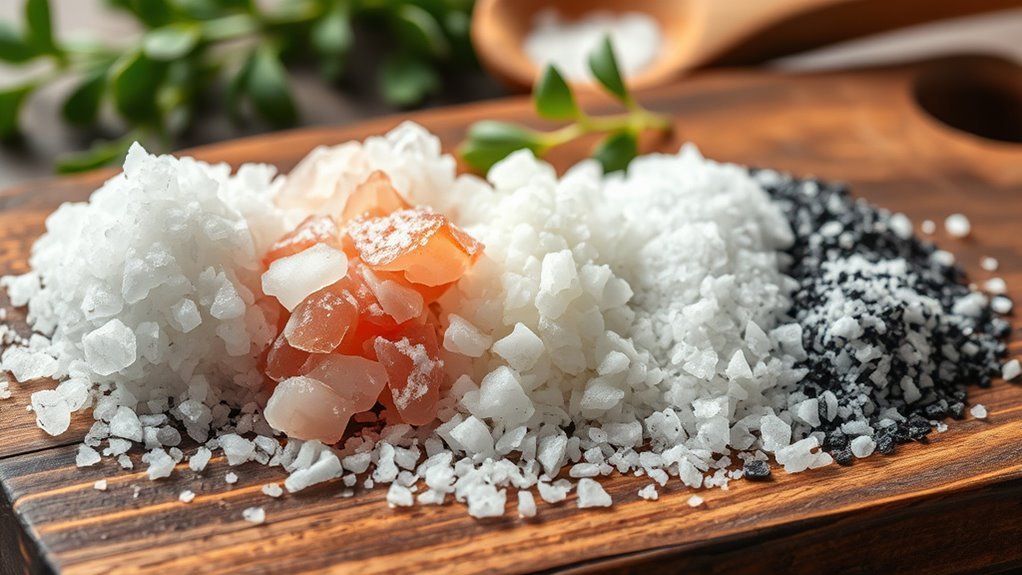
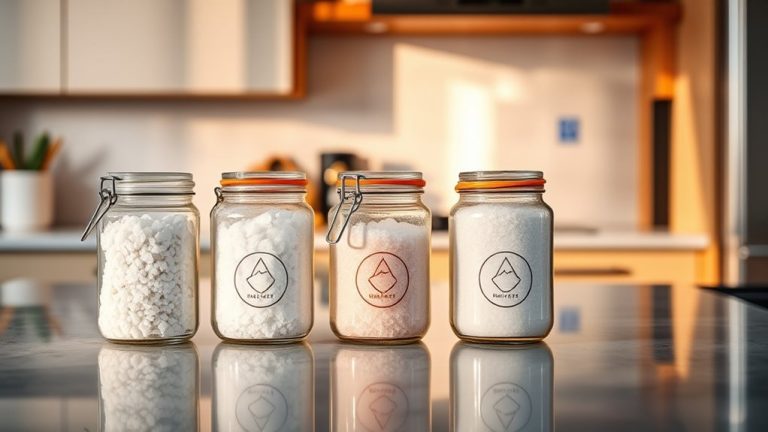
Although all salts provide seasoning, different types affect your dishes in unique ways. Fine salts dissolve quickly, making them perfect for baking and seasoning during cooking. You want even distribution without altering texture, right?
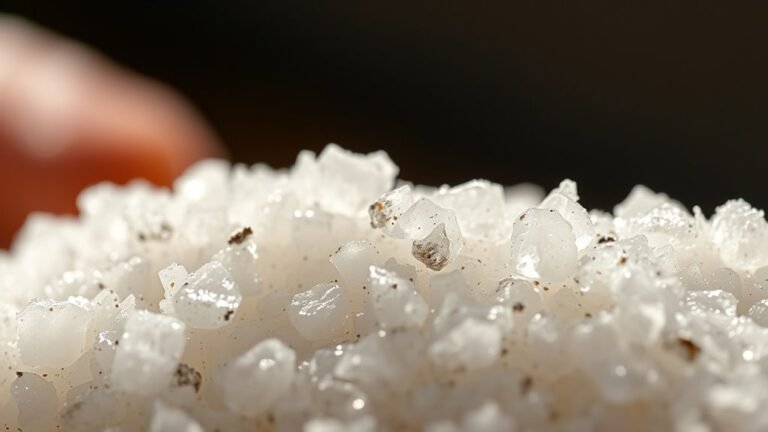
Coarse salt, with its larger crystallization, adds crunch and is ideal for grinding or as finishing salts. These finishing salts enhance your dishes by providing a satisfying texture contrast and visual appeal.
Flaky salts like fleur de sel offer a delicate crunch that elevates the sensory experience when sprinkled on finished plates. Beyond texture, various salt types bring unique mineral profiles that subtly influence flavor profiles and colors. Think Himalayan pink salt or Celtic grey salt.
Choosing the right salt can complement specific culinary styles by adding nuanced flavor and texture. So, understanding these differences helps you tailor your seasoning approach, enhancing both the taste and presentation of your meals.
Why Iodized Salt Matters and How to Pick the Right One
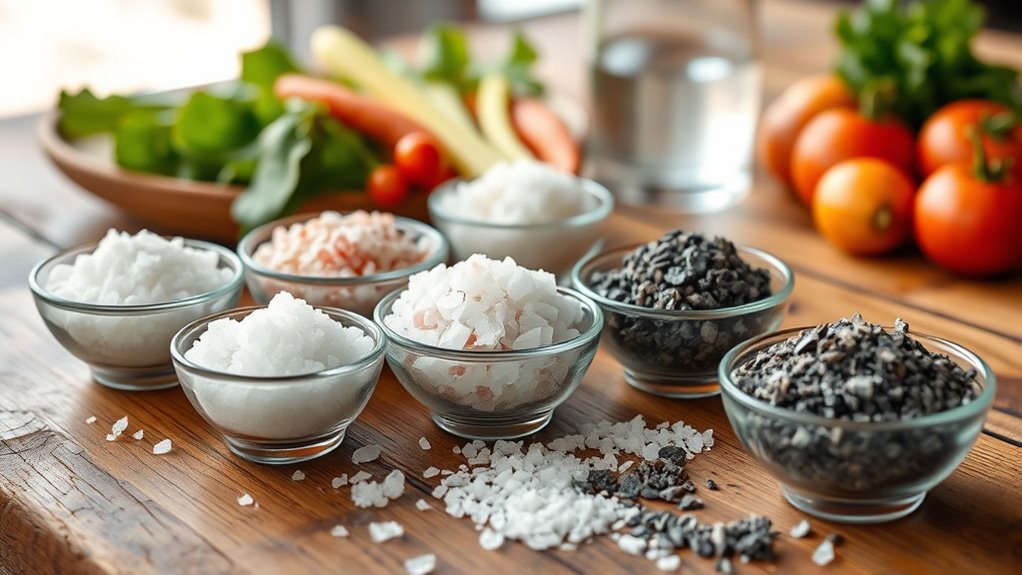
When you choose salt for your kitchen, picking iodized salt can make a big difference in your health. Iodized salt contains added iodine, an essential nutrient that supports thyroid health and brain development, especially for pregnant women.
Since 35-45% of pregnant women in the U.S. may not get enough iodine, iodized salt serves as a vital dietary source to prevent iodine deficiency. Most regular table salt is iodized, making it a convenient choice to meet your iodine needs.
Iodized salt is a key dietary source to help prevent iodine deficiency in many pregnant women.
Here’s what to keep in mind when picking the right iodized salt:
- Confirm the salt type is labeled “iodized” to guarantee it contains added iodine.
- Choose fine-grain table salt for easy measuring and cooking.
- Check for added additives if you prefer a purer product.
- Prioritize iodized salt if you’re pregnant or vulnerable to iodine deficiency.
Frequently Asked Questions
Which Is the Healthiest Type of Salt?
The healthiest salt you can use is iodized salt because it provides essential iodine, supporting your thyroid health.
Don’t worry too much about fancy salts; focus more on reducing your overall salt intake for better health.
Is Himalayan or Celtic Salt Better?
You’ll find Celtic salt better for finishing dishes thanks to its moist texture and mineral flavor.
But if you want a trendy, appealing look, Himalayan salt’s pink hue might suit you more. It really depends on what you’re going for.
Which Salt Is the Least Healthy?
The least healthy salt is regular refined table salt, the most processed, the highest in sodium, and the one lacking minerals. You shouldn’t rely on it exclusively, because overusing it raises your risk of hypertension and heart disease.
Basically, it’s best to use it sparingly. There are other salt options that might be better for you. So, try to mix things up a bit!
Which Salt to Avoid?
You should avoid regular table salt with anti-caking agents, unrefined salts that may contain impurities, flavored salts with artificial additives, and expensive mineral salts offering little health benefit.
These can harm your health or waste your money. So, it’s better to be cautious about what kind of salt you pick.
Conclusion
When choosing salt, remember it’s not just a sprinkle but the heartbeat of your dish. Whether you go for the sharp punch of sea salt or the reliable pinch of iodized salt, each type shapes flavor in its own way.
Don’t overlook iodized salt—it’s a small hero keeping your health in check. So, pick your salt like a painter chooses colors; the right one brings your meal to life with every grain.
In the end, the best type of salt depends on what you’re cooking and your health needs. Sea salt offers a bold, natural flavor, while iodized salt adds essential nutrients like iodine. Both sea salt and iodized salt have unique benefits, so choosing the right salt can elevate your cooking and support your well-being. Remember, the right salt is more than seasoning—it’s a key ingredient in crafting delicious, healthy meals every time.