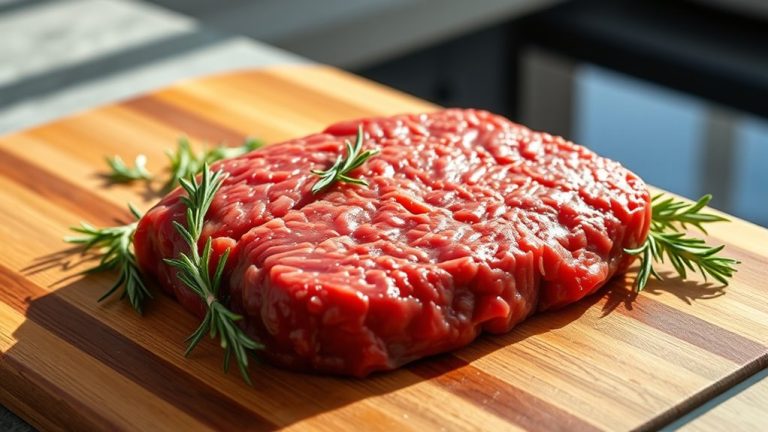

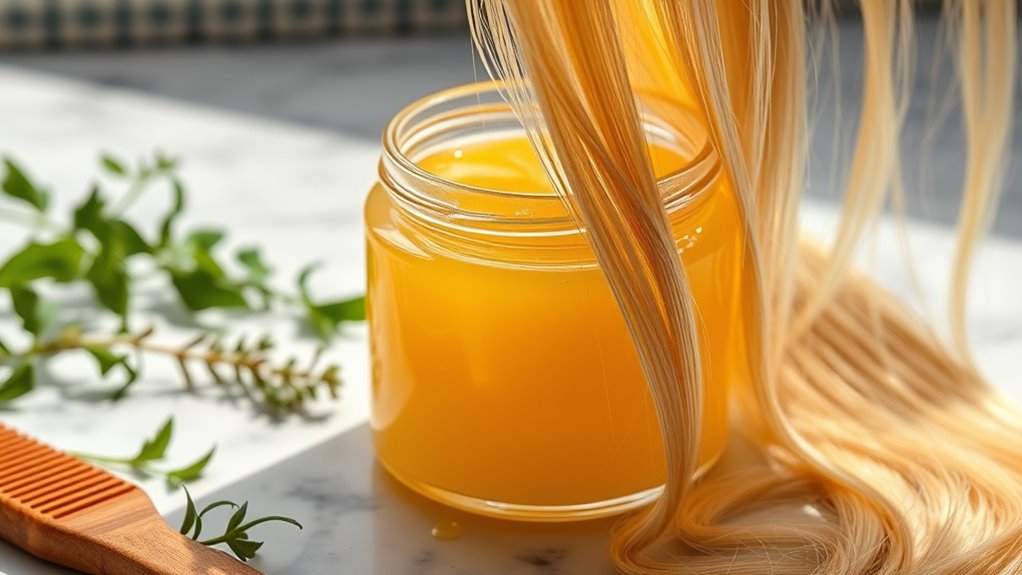
How to Incorporate Beef Tallow Into Your Good Hair Care
To incorporate beef tallow into your good hair care routine, start by washing your hair with a gentle shampoo, then towel-dry until damp. Beef tallow, especially grass-fed and unrefined, is rich in nutrients that can nourish your scalp and hair effectively.
Warm a small amount of the tallow and apply it evenly to your scalp and hair. Leave it on for 30 minutes or overnight for deep conditioning, then rinse thoroughly.
Use this treatment once a week or biweekly depending on your hair type to boost moisture and shine. Keep going to discover how to optimize its benefits further.
Why Beef Tallow Is Great for Your Hair
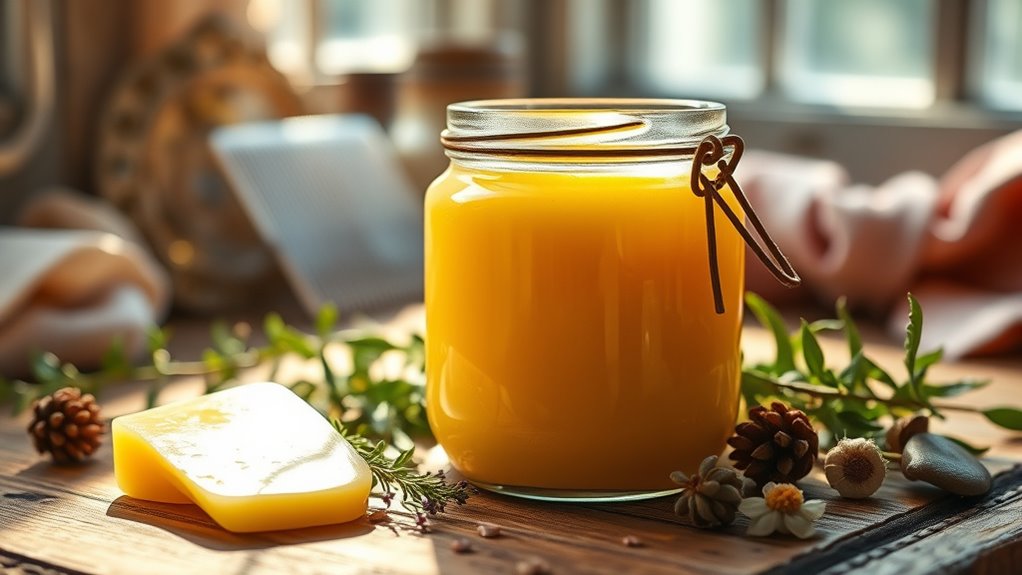
Why should you consider beef tallow for your hair care routine? Beef tallow is packed with essential fatty acids that deeply hydrate and condition your hair, helping to reduce frizz and boost shine. Using beef tallow supports healthy hair by strengthening each strand, improving elasticity, and minimizing breakage.
It also promotes scalp health by soothing irritation and balancing oil production, which is key to maintaining a healthy environment for hair growth. Since beef tallow comes from grass-fed cows, it contains antioxidants that shield your hair from environmental damage.
Incorporating beef tallow into your routine offers a natural way to nourish your scalp and hair, leaving you with stronger, shinier, and more resilient locks.
Key Nutrients in Beef Tallow for Hair Growth
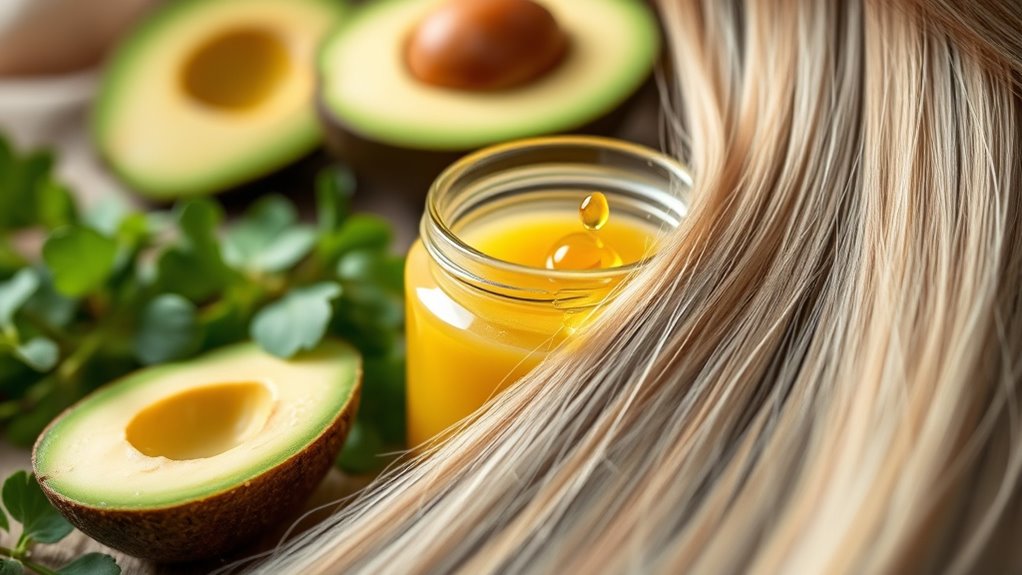
Although you might not expect it, beef tallow contains key nutrients that actively support hair growth and scalp health. It’s rich in essential fatty acids like omega-3 and omega-6, which moisturize your scalp and strengthen hair follicles.
Vitamins A and E in beef tallow stimulate sebum production and boost blood circulation to hair roots, directly encouraging hair growth. These fat-soluble vitamins also help reduce scalp inflammation and irritation, creating a healthier environment for hair to thrive.
Plus, oleic and palmitic acids enhance hydration and improve hair texture, making your strands look and feel better. By incorporating beef tallow, you’re nourishing your scalp with crucial nutrients that promote strong, healthy hair growth from the root up.
Which Hair Types Benefit Most From Beef Tallow?
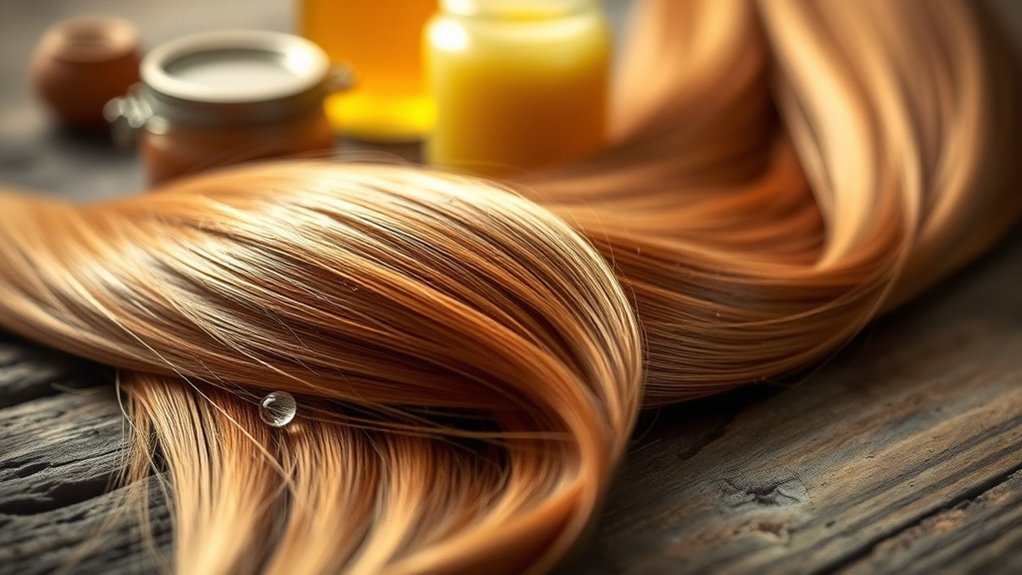
Which hair types gain the most from beef tallow? If you have curly or coarse hair, beef tallow deeply conditions and locks in moisture, making it ideal for you. Those with damaged or chemically treated hair can strengthen strands and reduce breakage.
Plus, if you suffer from a dry scalp or dandruff, beef tallow soothes and hydrates to relieve irritation. However, fine or oily hair types should apply it sparingly to avoid weighing hair down.
| Hair Type | Benefit | Notes |
|---|---|---|
| Curly | Deep conditioning | Retains moisture well |
| Coarse | Improved manageability | Adds softness |
| Damaged | Strengthens strands | Reduces breakage |
| Dry Scalp | Soothes irritation | Hydrates effectively |
| Fine/Oily | Use sparingly | Can cause heaviness |
How Often to Use Beef Tallow for Hair
How often you use beef tallow depends on your hair type and the season. If you have curly or damaged hair, applying it once a week works well, while fine or thin hair benefits from biweekly use to avoid heaviness.
During colder months, try increasing the frequency to 2-3 times per week to keep your hair hydrated and healthy.
Recommended Application Frequency
When you want to keep your hair hydrated without weighing it down, applying beef tallow once a week works well for curly or damaged hair. Your application frequency should vary depending on hair type and needs. Fine or thin hair benefits from biweekly use to avoid oil buildup.
For maintenance, use beef tallow after washing and leave it on for at least 30 minutes. Adjust based on how your hair responds—reduce if greasy, increase if dry.
| Hair Type | Application Frequency |
|---|---|
| Curly/Damaged | Once a week |
| Fine/Thin | Every two weeks |
| Maintenance Use | After washing, 30+ minutes |
This approach balances hair hydration and keeps your hair care routine effective.
Seasonal Usage Adjustments
Adjusting your beef tallow application based on the seasons can keep your hair balanced and healthy year-round. During colder months, increase your application frequency to weekly to boost moisture and fight dryness. In warmer or more humid seasons, scale back to bi-weekly or monthly to avoid weighing down your hair.
These seasonal adjustments help you tailor your hair care routine to the changing environment. When shifting between seasons, gradually shift how often you use beef tallow, allowing your hair to adapt smoothly without over-conditioning. Always watch how your hair responds—use more tallow when it looks dry and less when it feels heavy.
This mindful approach ensures your hair stays nourished, maintaining ideal moisture and balance throughout the year.
Hair Type Considerations
Since different hair types have varying needs, you should tailor your beef tallow usage accordingly. For curly or damaged hair, use beef tallow weekly to maximize moisture repair and maintain healthy strands. If you have fine or oily hair, reduce the application frequency to biweekly to avoid weighing your hair down.
Pay attention to seasonal changes too—apply more often during dry winter months and less in humid summers to keep your scalp balanced. Always apply tallow on damp, clean hair, focusing on dry ends and damaged areas. Leaving it on for at least 30 minutes or overnight boosts hydration.
Preparing Your Hair for Beef Tallow Treatment
Start by washing your hair with a gentle shampoo to clear away dirt and buildup for a fresh scalp.
Next, towel-dry your hair until it’s damp to help the beef tallow absorb more effectively.
Finally, section your hair and detangle it to guarantee even application and protect your strands.
Hair Cleansing Essentials
Before you apply beef tallow to your hair, make sure it’s clean and damp to help the treatment absorb better. Start with a gentle, sulfate-free shampoo to perform effective scalp cleansing, removing buildup that can block nutrients. Rinse thoroughly with lukewarm water to open your hair cuticles, allowing the beef tallow to penetrate deeply during your hair treatment.
Avoid applying tallow on greasy or dirty hair, as impurities can reduce its effectiveness. Once clean, gently detangle your hair to prevent breakage and ensure even distribution of the natural hair care ingredient. This careful cleansing routine sets the perfect foundation for your beef tallow treatment, maximizing its nourishing benefits and promoting a healthier scalp and hair.
Scalp Preparation Tips
When you prepare your scalp properly, your beef tallow treatment can deliver maximum hydration and nourishment. Start by washing your hair with a clarifying shampoo or use an apple cider vinegar rinse to remove excess oils and buildup. Keep your hair damp—not dry—before you apply beef tallow, as this helps your scalp absorb nutrients better.
Gently massage your scalp for 2-3 minutes to boost blood flow and loosen debris. Next, section your hair to ensure even distribution of tallow on both scalp and hair strands. Avoid applying beef tallow directly to a dry scalp to prevent blockages.
Following these scalp preparation tips helps you get the most out of your treatment, leaving your scalp healthy and your hair deeply nourished.
How to Apply Beef Tallow for Deep Conditioning
Although beef tallow is solid at room temperature, warming a small amount until it softens makes it much easier for you to apply evenly to damp, freshly washed hair. This step is vital for a smooth application process in your deep conditioning routine.
To get the best results with beef tallow in your hair care, follow these steps:
- Apply the softened tallow evenly, focusing on the ends and dry or damaged areas.
- Massage gently into your scalp and hair strands to boost absorption and promote scalp health.
- Cover your hair with a shower cap or warm towel and leave it for at least 30 minutes or overnight for deep conditioning.
This method ensures thorough coverage and maximizes the nourishing benefits of beef tallow for your hair.
Best Rinsing and Styling After Beef Tallow Use
Since beef tallow can leave a rich residue, rinsing it out properly is crucial to maintaining a healthy scalp and shiny hair. After washing, use an apple cider vinegar rinse to restore your scalp’s pH balance and boost shine.
When styling, avoid heavy products to let the nourishing effects of beef tallow fully absorb. Instead, apply a light leave-in conditioner or natural oil like jojoba or argan oil for added manageability. Dry your hair gently with a microfiber towel or let it air-dry to keep moisture locked in.
Also, minimize heat styling to prevent damage and preserve the benefits of your hair care routine. Following these rinsing and styling tips ensures your hair stays soft, healthy, and vibrant after using beef tallow.
Beef Tallow vs. Other Natural Hair Treatments
If you want a deeply nourishing treatment that goes beyond the benefits of typical plant oils, beef tallow offers a unique advantage. Compared to other natural hair treatments, it stands out by delivering exceptional scalp health and deep conditioning. Here’s why you might choose beef tallow:
- It contains rich essential fatty acids and fat-soluble vitamins that hydrate more effectively than lighter oils like argan or coconut.
- Its saturated fats and cholesterol reduce scalp inflammation and encourage natural sebum production, promoting thicker, healthier hair.
- Unlike many plant-based oils that require blending, beef tallow works as a concentrated, single-ingredient treatment with long-lasting conditioning effects.
Using beef tallow means embracing a nutrient-dense, chemical-free alternative that seals moisture and protects your hair from environmental damage.
Tips for Choosing Quality Beef Tallow for Hair
Choosing the right beef tallow can make a noticeable difference in how your hair responds to treatment. Prioritize grass-fed beef tallow for higher omega-3s and vitamins. Always select unrefined tallow to maximize nutrient retention and avoid harmful additives.
Check quality standards by sourcing from reputable suppliers who share transparency about their products.
| Factor | What to Look For | Why It Matters |
|---|---|---|
| Source | Grass-fed beef | Rich in omega-3s & vitamins |
| Processing | Unrefined or minimally processed | Preserves nutrients |
| Supplier Reputation | Transparent quality standards | Ensures purity & safety |
| Appearance & Aroma | Clean, pure, natural beef scent | Confirms freshness |
Frequently Asked Questions
Can You Put Beef Tallow in Your Hair?
Yes, you can put beef tallow in your hair. It’ll moisturize your scalp, reduce dryness, and add shine.
Just use a small amount, especially if your hair is fine, and wash it out thoroughly afterward.
How Often Should I Put Beef Tallow in My Hair?
You should apply beef tallow once a week for curly or damaged hair, bi-weekly for fine or thin hair, and increase to every 5-7 days during dry seasons to keep your hair well-moisturized and healthy.
What Is the Chinese Secret for Hair Growth?
You’ll find the Chinese secret for hair growth lies in nourishing your body with herbs like ginseng and black sesame, balancing energy through acupuncture, and stimulating your scalp with herbal oils to awaken dormant follicles and boost liveliness.
These traditional methods work holistically to improve circulation and enhance nutrient delivery to hair roots. By maintaining internal harmony, they support healthier, stronger hair growth naturally.
Why Don’t Dermatologists Like Beef Tallow?
Dermatologists don’t like beef tallow because it can clog your pores, worsen acne, and cause inflammation.
Plus, it may carry bacteria if not processed well, and plant-based oils are usually safer and more effective for your skin.
Conclusion
Incorporating beef tallow into your hair care routine can boost moisture and strength thanks to its rich nutrients. Did you know that 90% of people with dry hair saw noticeable improvement after just a few treatments?
By using it regularly and choosing high-quality tallow, you’ll nourish your hair naturally and effectively.
So go ahead, give beef tallow a try—you might just discover your hair’s new best friend! Incorporate beef tallow into your good hair care regimen for healthier, stronger hair.