
Does Salt and Warm Water Help a Toothache?
Yes, rinsing with salt and warm water can help ease your toothache by reducing bacteria and soothing inflamed gums.
This simple remedy draws out fluids that cause swelling and calms nerve endings for temporary pain relief. It’s a natural and easy way to manage mild tooth pain at home.
You can use this rinse a few times daily for mild discomfort or after dental work. Just remember, it’s only a short-term fix.
If your pain persists or worsens, you’ll want to explore when it’s important to seek professional dental care.
Don’t ignore ongoing toothache—it could mean a more serious issue.
Key Takeaways
- Salt and warm water rinses reduce bacteria, helping to alleviate toothache caused by infections. They also soothe irritated gums and decrease inflammation, providing temporary pain relief.
- The rinse draws out fluids from swollen areas, which helps reduce swelling and pressure around the tooth. Plus, salt water flushes out food particles and debris that can worsen tooth pain.
- This remedy is great for mild discomfort but remember, it doesn’t replace professional dental care for serious issues. So, if the pain persists, make sure to see your dentist.
How Salt Water Soothes Toothache Pain

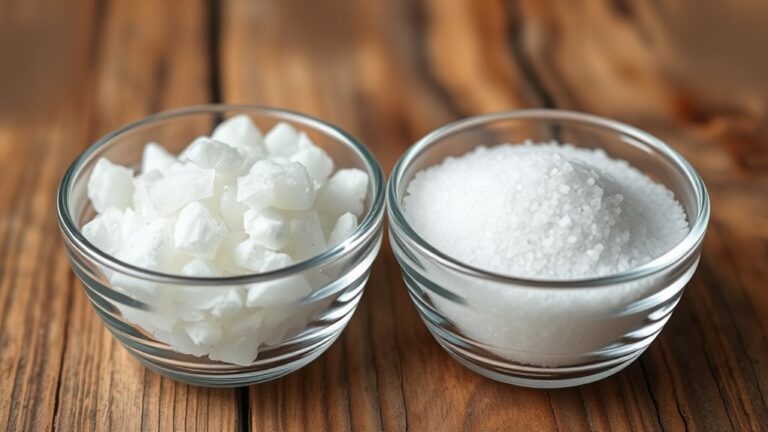
Although toothaches can be painful and persistent, rinsing with warm salt water can help you find quick relief. Salt water acts as a natural disinfectant, reducing bacteria that contribute to infections causing your pain.
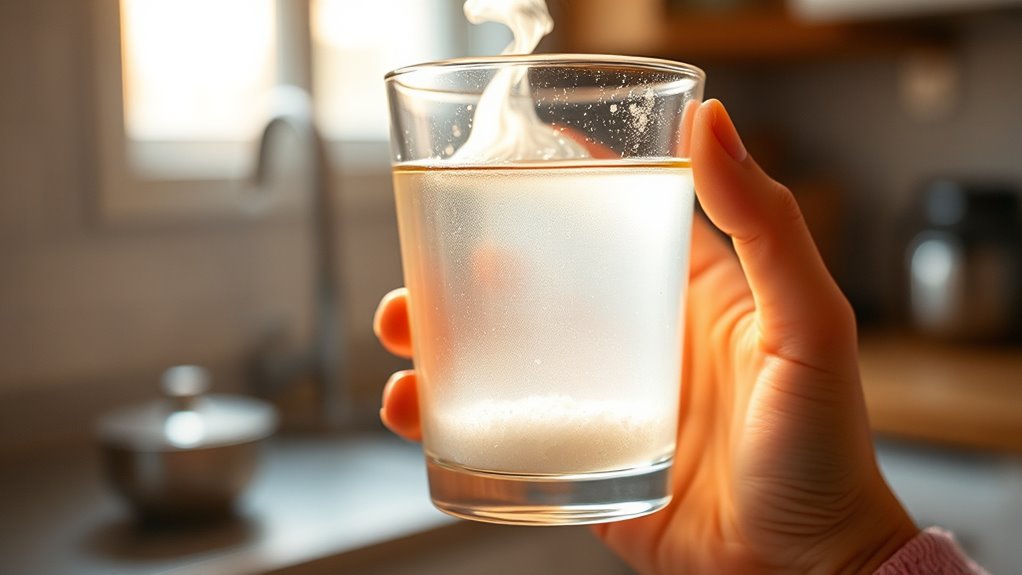
When you rinse, the warm salt water soothes toothache pain by calming irritated gum tissues and reducing inflammation. The salt solution draws out fluids from swollen areas, easing swelling and pressure around the affected tooth.
This process helps decrease irritation and provides temporary relief by calming the nerve endings in the area. Plus, rinsing with salt water helps flush out food particles and debris lodged between your teeth, which often worsen discomfort.
When to Use Salt Water for Relief and When to See a Dentist

When you experience mild gum irritation or discomfort after dental work, rinsing with warm salt water up to three times a day can help reduce inflammation and bacteria temporarily. This salt water rinse offers toothache relief by soothing gum tissue and decreasing swelling, making it a useful temporary solution for minor oral health issues.
But remember, if you notice persistent pain lasting more than a few days, or if swelling, bleeding, or pus develop, it’s time to see a dentist. Salt water won’t fix underlying problems like cavities or infections, which need professional treatment to prevent complications.
Salt water rinses are great for reducing inflammation and supporting oral hygiene, but they shouldn’t replace proper dental care. Use this method as a short-term way to ease discomfort.
And don’t hesitate to contact your dentist if your symptoms get worse or don’t improve. That way, you’ll get the right treatment to keep your mouth healthy.
Frequently Asked Questions
What Can I Do for Unbearable Tooth Pain?
You can rinse your mouth with warm salt water every few hours to reduce pain and inflammation. It really helps to soothe the area and keep things clean.
Try applying a cold compress to your cheek. Avoid hot or cold foods because they can make the pain worse.
If the pain gets worse, don’t wait—see a dentist as soon as you can. They’ll know the best way to help you feel better.
What Kills a Tooth Infection Fast?
To kill a tooth infection fast, you’ll need antibiotics—they’re like a firefighter dousing flames. Home remedies only soothe pain temporarily.
Don’t delay; see your dentist promptly for the right treatment and full recovery.
What Is the Fastest Way to Stop Tooth Pain?
The fastest way to stop tooth pain is to take over-the-counter pain relievers and apply a cold compress. Rinsing with warm salt water can also help reduce inflammation.
But don’t forget, it’s really important to see a dentist quickly to treat the root cause. That way, you’re not just masking the pain but actually fixing the problem.
How to Stop Nerve Pain in Tooth at Night?
You can’t exactly whisper sweet nothings to your nerve pain at night, but applying a cold compress, elevating your head, and using medicated gels will calm the storm.
Saltwater rinses and ibuprofen help, too—no romance needed.
Conclusion
You can use salt water to soothe your toothache, reduce swelling, and clean your mouth. Rinse gently and repeat regularly for temporary relief.
But don’t rely on salt water alone or ignore persistent pain. It’s important not to delay visiting your dentist if the discomfort continues.
You need proper care, professional treatment, and lasting solutions to truly address the problem. So, use salt water wisely as a helpful home remedy.
Listen to your body and seek expert help when needed. Remember, while salt and warm water can provide some comfort, they aren’t a cure. For real relief from a toothache, visiting your dentist is essential to get the right diagnosis and treatment. Taking these steps ensures your oral health is properly cared for and prevents complications down the road.