
Does Salt Help You Hydrate Better?
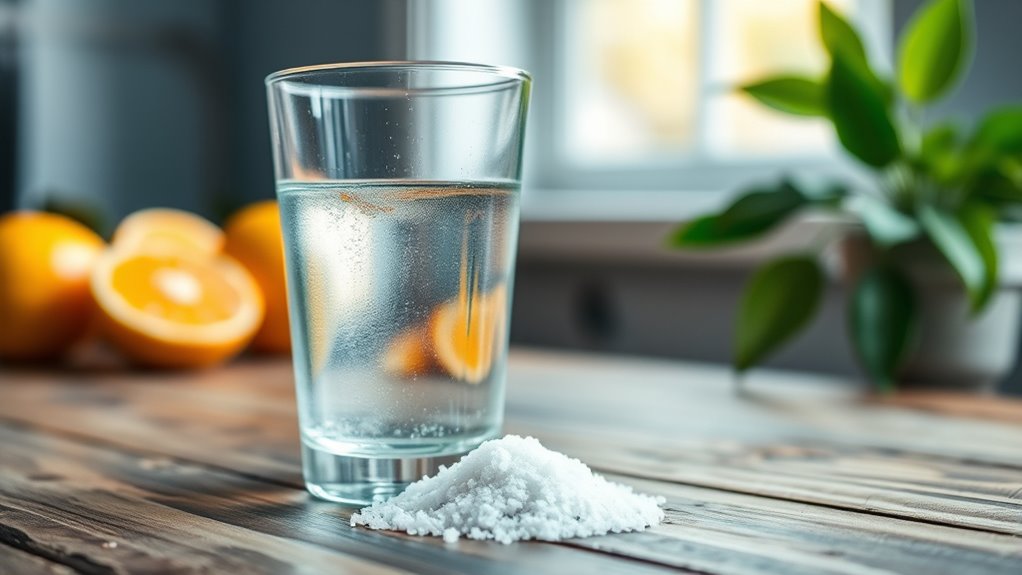
You can hydrate better by adding a small pinch of salt to water during intense exercise or hot weather because it helps replace lost electrolytes like sodium and supports fluid retention.
Salt temporarily raises blood sodium levels, which triggers thirst and encourages you to drink more. This simple trick can make a real difference in staying properly hydrated when you’re sweating a lot.
However, too much salt can cause dehydration or health issues, so balance is key. Understanding when and how salt aids hydration helps you avoid those problems and keeps your body functioning well.
So, next time you’re active or out in the heat, a little salt in your water might just boost your hydration game!
Key Takeaways
- Salt helps hydrate better by replenishing lost electrolytes, especially sodium, during heavy sweating or intense exercise.
- Sodium in salt raises blood sodium levels, which triggers thirst and encourages you to drink more fluids.
- Just a small amount of salt in water can help your body hold onto fluids and prevent dehydration when conditions get tough.
- But watch out—too much salt can actually cause dehydration and mess up your electrolyte balance. That’s bad news for staying hydrated.
- So, salt is only really helpful for hydration in certain situations. For everyday drinking, plain water usually does the trick just fine.
Does Adding Salt to Water Improve Hydration?
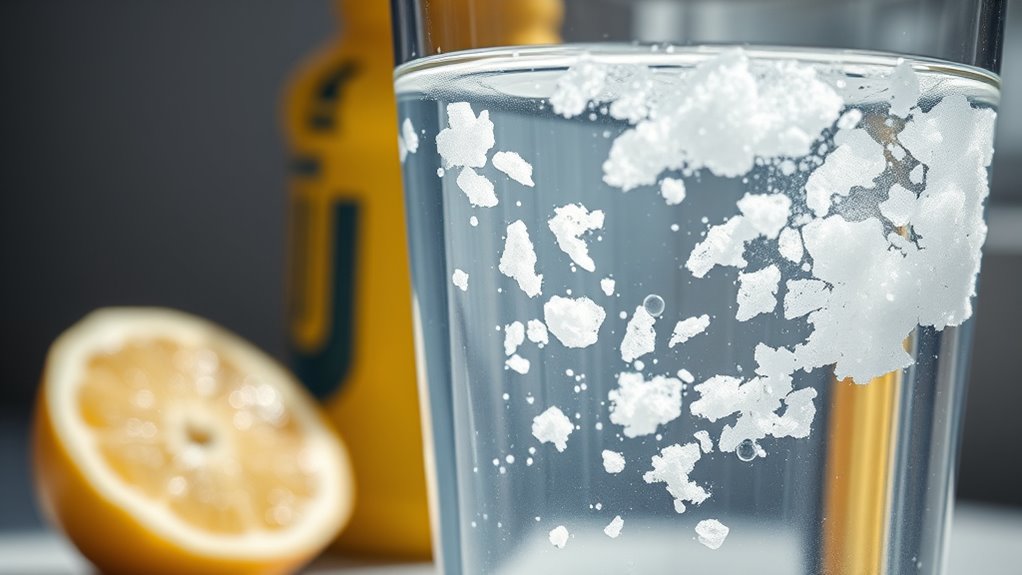
How does adding salt to water affect your hydration? When you sweat, your body loses not only water but also essential electrolytes like sodium. Adding a small pinch of salt to water can help replenish these lost electrolytes and improve hydration by supporting your body’s fluid balance.
Adding a pinch of salt to water helps replace lost electrolytes and supports better hydration.
Sodium in salt temporarily raises blood sodium levels, which can stimulate your thirst, encouraging you to drink more and stay hydrated. This makes salt water somewhat like a natural electrolyte drink, especially useful during intense exercise or hot weather when you lose more sweat.
However, it’s important to keep salt levels balanced—too much salt in your water can actually lead to dehydration and other health problems. So, while a bit of salt in your water can help you retain fluids and maintain hydration, it’s not necessary for everyday drinking or mild activity.
Use salt wisely to support hydration, especially when you need to replenish electrolytes lost through sweat.
When Adding Salt to Water Helps or Hurts Your Hydration
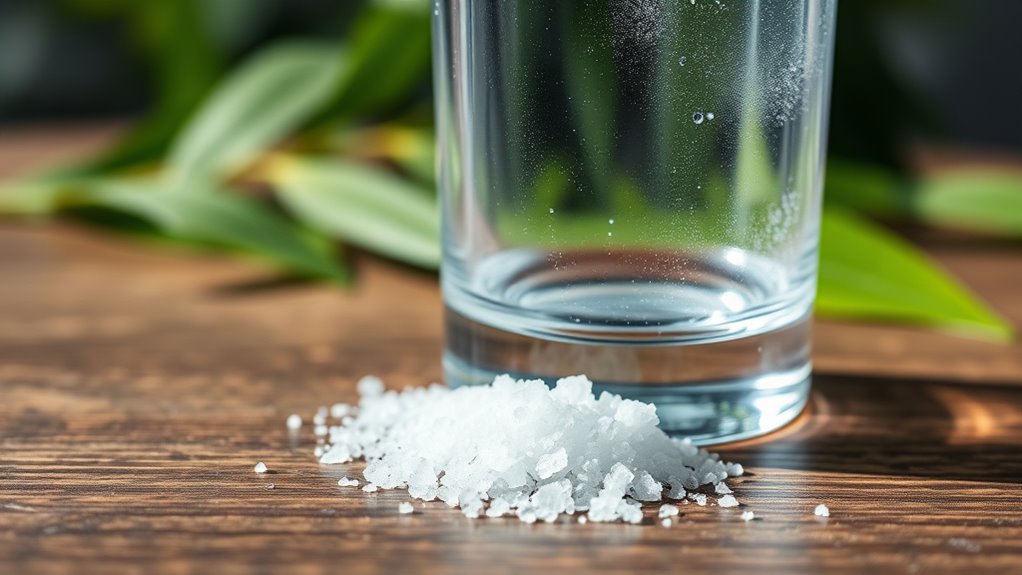
Although adding salt to water can boost hydration during intense exercise or heat, it can backfire if you overdo it or don’t actually need extra sodium. Salt in water helps maintain electrolyte balance, promoting better fluid balance and preventing dehydration when you sweat heavily.
Drinking salt water or an electrolyte drink can increase water intake by stimulating thirst, supporting hydration in demanding conditions. But if your dietary sodium is already sufficient, adding salt may lead to excess sodium, disrupting electrolyte balance and causing dehydration or high blood pressure.
For most people, plain water suffices for hydration, and unnecessary salt use can hurt more than help. Your individual health, activity level, and environment influence whether salt benefits your fluid balance.
Frequently Asked Questions
Does Putting Salt in Water Hydrate You More?
Putting salt in water can help you hydrate better only if you’ve lost electrolytes from intense sweating or dehydration.
Otherwise, plain water usually hydrates you just fine without the risks of too much salt.
Can I Just Take Salt Instead of Electrolytes?
No, you can’t just take salt instead of electrolytes. Your body needs a balanced mix of minerals like potassium and magnesium, along with sodium, to stay properly hydrated.
It’s not just about salt alone. Without the right balance, you could risk dehydration or other imbalances. So, it’s important to get a variety of electrolytes to keep things running smoothly.
Should I Eat Salt if I Am Dehydrated?
You should eat salt if you’re dehydrated—studies show 60% of your body’s hydration depends on sodium balance.
Just don’t overdo it; pair salt with water to restore electrolytes and rehydrate efficiently.
That way, your body absorbs fluids better and stays balanced.
Should You Drink Less Water if Your Sodium Is Low?
You shouldn’t drink less water if your sodium is low. Instead, focus on restoring sodium levels through diet or supplements while staying hydrated.
This way, your body maintains proper fluid balance and avoids worsening dehydration symptoms. It’s all about keeping things balanced, not cutting back on water.
Conclusion
You might think salt is the magic key to better hydration, but it’s more like a double-edged sword. Just a pinch can help your body hold onto water, like a sponge soaking up a little extra rain.
Too much, though, and you’ll feel parched, as if the desert’s creeping in. So, listen to your body’s whispers—not its screams—and balance salt and water wisely to truly quench your thirst.
When it comes to hydration, salt does play a role by helping retain fluids. However, relying too much on salt can backfire and actually dehydrate you. The key is finding the right balance between salt intake and water consumption. By paying attention to your body’s signals and maintaining that balance, you can stay properly hydrated and feel your best.