
Does Salt Water Help Hives?
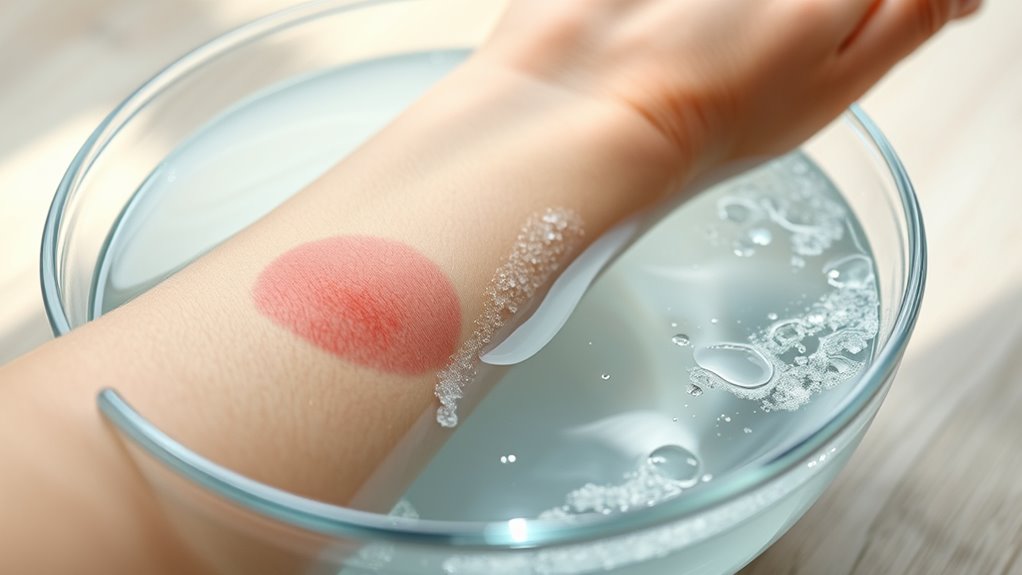
Salt water won’t cure your hives, but it can definitely help soothe itching and calm inflamed skin, making your discomfort a bit more manageable. When you’re dealing with hives, finding gentle ways to ease the irritation is key. That’s where salt water, especially Epsom salt baths, comes in.
Epsom salt is rich in magnesium sulfate, which helps reduce inflammation and can draw out minor irritants from the skin. Just remember to use lukewarm water and keep your soak time short to avoid dryness or further irritation.
Also, avoid applying salt water to broken skin or if you have severe angioedema—that could make things worse.
If you want to know how to prepare and use salt water safely for relief, keep exploring these guidelines.
Key Takeaways
- Salt water soothes hives by reducing itching and inflammation but does not cure the condition. It can help you feel more comfortable during flare-ups.
- Epsom salt baths calm irritated skin and help draw out minor irritants and toxins. They’re a gentle way to ease the discomfort.
- Lukewarm salt water compresses temporarily numb the skin, which lessens the urge to scratch. This can give you some quick relief.
- Salt water supports symptom relief and skin comfort during hives flare-ups without healing the rash. Think of it as a way to manage symptoms, not a fix.
- Just be careful not to use salt water on broken skin or if you have severe angioedema. It might make symptoms worse in those cases.
What Salt Water Does to Soothe and Relieve Hives
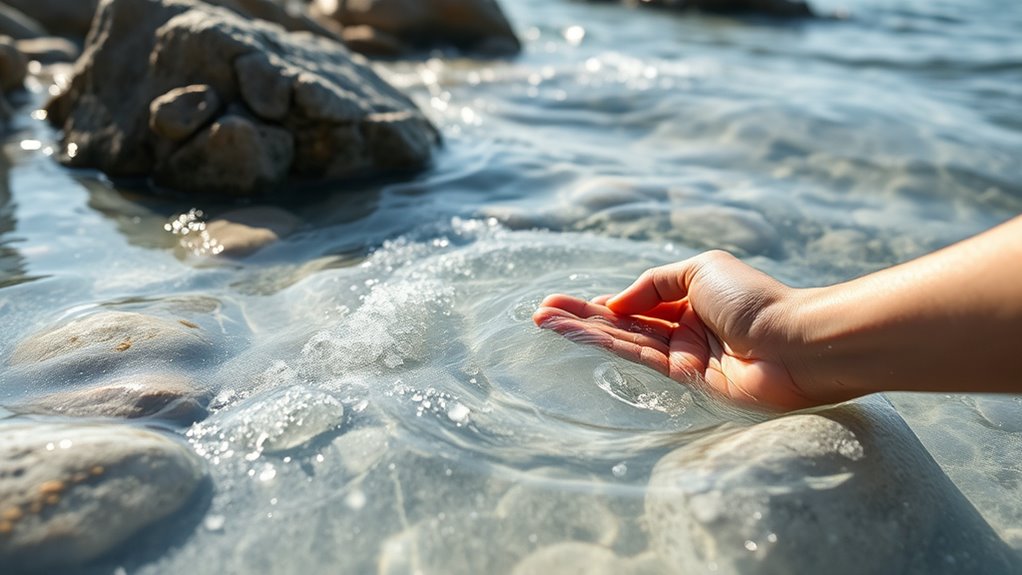
Although salt water isn’t a cure for hives, it can soothe your skin by reducing itching and inflammation. When you use salt water, especially in the form of an Epsom salt bath, the magnesium sulfate works to calm your irritated skin and ease discomfort.
Salt water, especially Epsom salt baths, soothes itching and inflammation, calming irritated skin and easing discomfort.
Salt water helps draw out minor irritants and toxins from the skin, offering a calming effect that can relieve hives symptoms. If your skin feels itchy and inflamed, applying a cool salt water compress can temporarily numb the area, reducing that annoying urge to scratch.
This method targets inflammation directly, helping your skin feel more comfortable. While salt water provides you with soothing relief, it’s important to remember it doesn’t heal hives itself.
Instead, it’s a practical way to manage symptoms and support your skin’s recovery during flare-ups. Using salt water thoughtfully can make a noticeable difference in how your skin feels.
How to Safely Prepare and Use Salt Water for Hives Relief
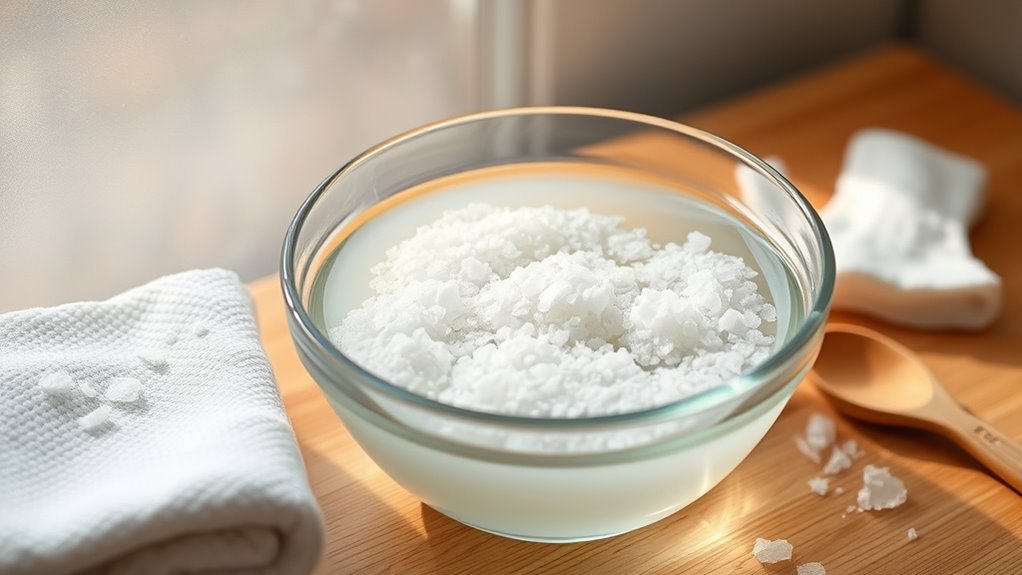
When you want to use salt water to relieve hives, it’s important to prepare it safely to avoid further irritation. Start by dissolving 1-2 cups of Epsom salt in a bathtub filled with lukewarm water, keeping the temperature between 95-100°F. This helps prevent skin irritation or burns.
Before soaking, do a patch test by applying a small amount of salt water on your skin. Wait 15-20 minutes to check for any adverse reactions.
Soak in the Epsom salt bath for 10-20 minutes, but try not to soak for too long. Prolonged soaking can cause your skin to dry out.
Remember, don’t use salt water on broken skin or cuts. Also, if you have severe angioedema, avoid this treatment since it might make symptoms worse.
During and after soaking, make sure to stay well hydrated. This supports your skin’s healing process.
Frequently Asked Questions
How to Calm Down Hives Fast?
To calm down hives fast, apply a cool compress and take an oatmeal bath. Avoid scratching to prevent further irritation.
You can also use antihistamines and gently rinse the area with saltwater. Stay hydrated and wear loose clothing to help reduce irritation and speed up healing.
Is It OK to Shower With Hives?
About 20% of people experience hives at some point, and yes, you can shower with hives. Just use lukewarm water and avoid hot showers.
Also, choose gentle cleansers and pat your skin dry. This helps prevent irritation and soothes itching effectively.
What Makes Hives Go Away Overnight?
You can make hives go away overnight by avoiding triggers, applying cool compresses, and taking antihistamines. These steps help calm your skin quickly.
Also, gentle skin care and soothing treatments like oatmeal baths help reduce inflammation and redness faster. They work while your immune response calms down, making you feel better sooner.
What Makes Hives Worse?
You’d think scratching hives could tear the sky apart—it actually makes them worse by damaging your skin barrier and increasing inflammation.
Avoid hot water, harsh soaps, extreme temperatures, and stress to keep your hives from flaring up.
Trust me, it’s better to let them be, even though it’s super tempting to scratch. Taking care of your skin gently really helps calm things down.
Conclusion
If you’re battling hives, salt water can be your trusty sidekick, soothing itchiness and calming inflammation like a gentle wave washing over your skin. Just make sure you prepare it safely—too much salt or too hot water can backfire.
So, dip a clean cloth or take a mild soak to ease discomfort. Remember, salt water isn’t a cure-all, but it’s a simple, natural way to help your skin breathe easier.
In conclusion, salt water can be an effective home remedy to help relieve the itching and swelling caused by hives. It works by calming the skin and reducing irritation, making those uncomfortable symptoms more manageable. However, it’s important to use salt water properly and avoid overly hot or salty solutions to prevent further skin irritation. While salt water can support your skin’s healing process, it’s not a substitute for medical treatment if your hives persist or worsen. Using salt water alongside other recommended treatments can help you find relief and keep your skin feeling calmer and more comfortable.