
Best 5 Salts to Control High Blood Pressure
To control high blood pressure, it’s important to choose salts with lower sodium levels and a good balance of minerals. Opting for the right type of salt can really make a difference in managing your blood pressure naturally.
Boulder Salt is a great choice because it offers reduced sodium and added potassium.
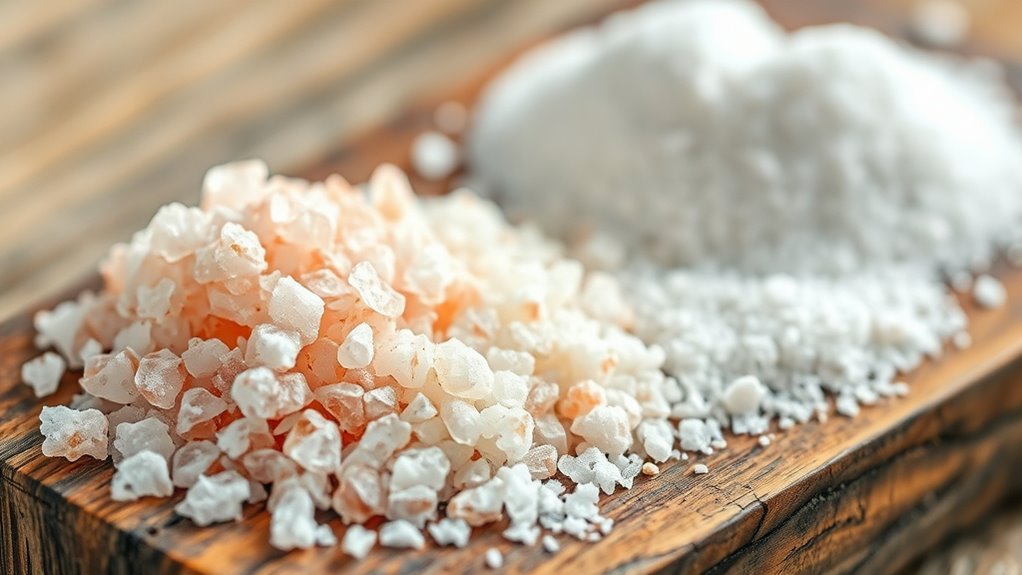
Himalayan salt is another option, known for its lower sodium content.
You can also consider sea salt or kosher salt, but be mindful to use them in measured amounts.
Low-sodium or potassium-enriched salts like potassium chloride are excellent options too.
These salts help reduce overall sodium intake while supporting a healthier mineral balance.
Keep exploring different ways to manage your salt consumption—your heart will thank you for it!
Key Takeaways
– Low-sodium salts like Boulder Salt reduce sodium intake while providing balanced minerals to support blood pressure control.
They’re a great way to cut down on sodium without losing important minerals your body needs.
– Potassium-enriched salts promote sodium excretion and help relax blood vessels, aiding hypertension management.
Basically, they help your body get rid of extra sodium and keep your blood vessels relaxed.
– Himalayan salt offers lower sodium content than table salt and contains trace minerals beneficial for mineral balance.
It’s a tasty option if you want something a bit different but still good for managing blood pressure.
– Sea salt contains less sodium than table salt but should be used in moderation alongside potassium-rich diets.
So, enjoy it, but don’t go overboard—make sure you’re also eating plenty of potassium-rich foods.
– Kosher salt has lower sodium by volume but requires careful measurement to avoid excess intake.
It’s handy in the kitchen, but you’ve got to watch your portions to keep your sodium in check.
How Sodium in Salt Affects Blood Pressure
Although salt adds flavor to your meals, the sodium it contains can considerably impact your blood pressure. When you consume too much sodium, especially from processed foods and restaurant meals, your body retains extra water.
This increases your blood volume, which puts more pressure on your arteries and raises your blood pressure. Over time, high sodium intake can cause your arteries to stiffen and narrow, escalating your risk of hypertension, strokes, and heart attacks.
By reducing your salt consumption, you can lower your blood pressure within a week, markedly cutting your cardiovascular risk. It’s also important to watch your potassium levels, as maintaining a healthy balance between sodium and potassium helps regulate blood pressure.
Excess sodium combined with low potassium is strongly linked to hypertension, so managing both is key to protecting your heart and arteries from damage caused by high blood pressure.
Why Mineral Balance Matters for Blood Pressure Control
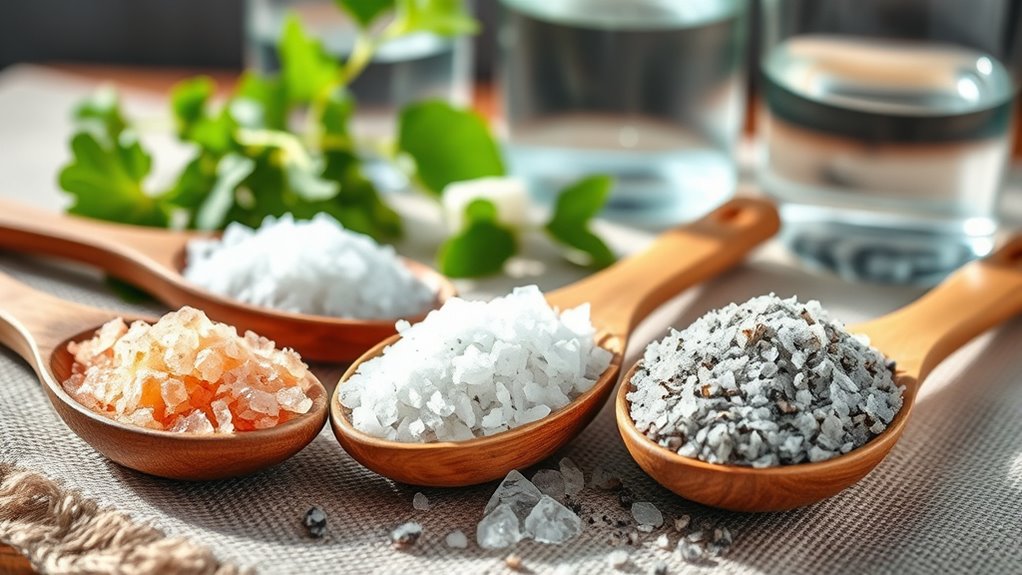
Because your body relies on a delicate mineral balance to regulate blood pressure, paying attention to the ratio of sodium to potassium is essential. When sodium intake is too high compared to potassium, your risk of hypertension rises.
Potassium-rich foods help counteract this by promoting blood vessel dilation and aiding sodium excretion, which lowers blood pressure. Maintaining a balanced sodium-potassium ratio supports better cardiovascular health and keeps your blood vessels relaxed.
Additionally, minerals like magnesium and calcium contribute to blood vessel relaxation, enhancing this effect. Choosing mineral-balanced salts, such as Boulder Salt, can help you maintain ideal mineral intake, supporting blood pressure control more effectively than regular table salt.
Comparing Popular Salt Types and Their Sodium Content
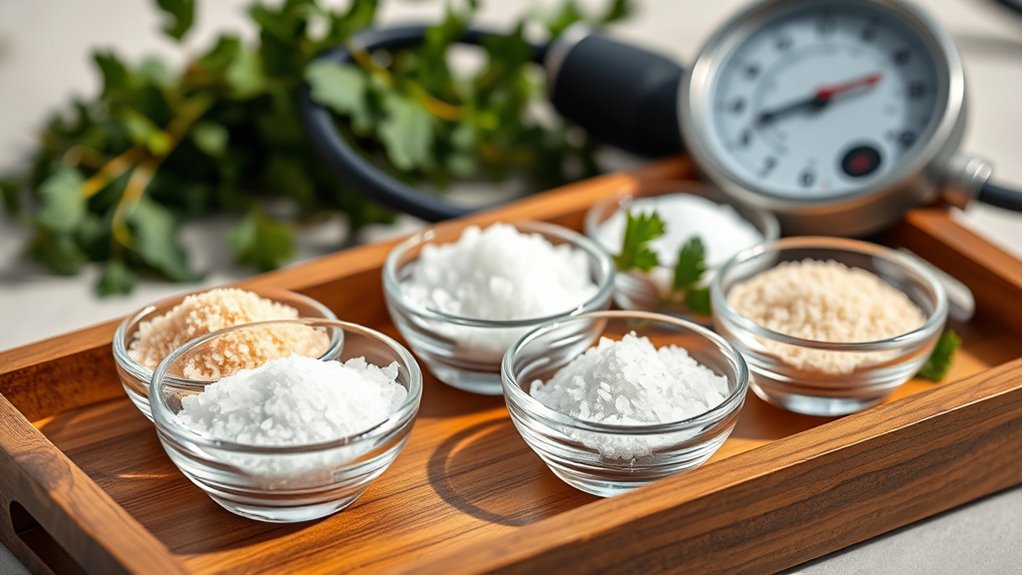
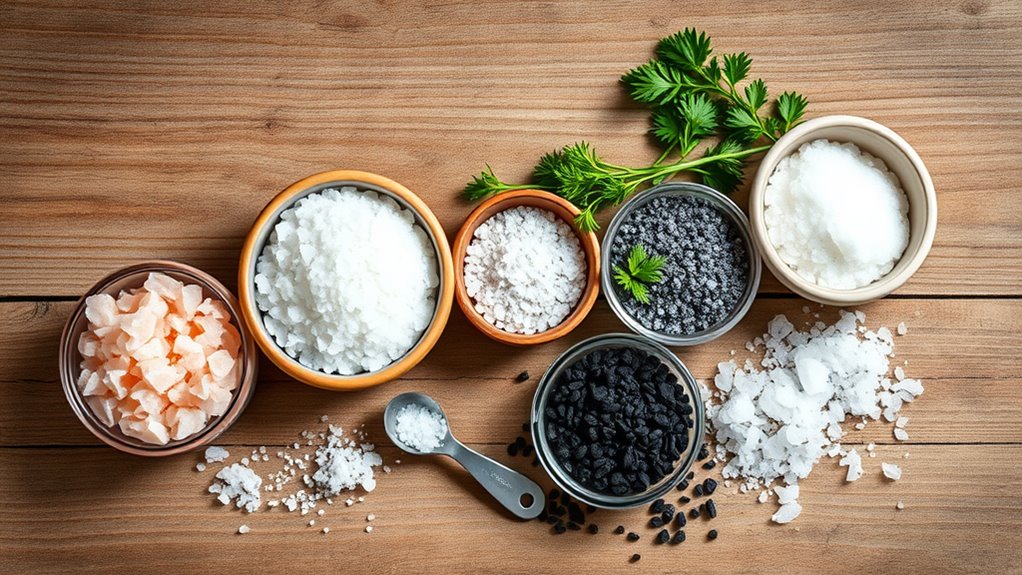
When you choose a salt, understanding its sodium content helps you manage your blood pressure more effectively. Popular salts like table salt, sea salt, and Himalayan salt have similar sodium levels, about 40% by weight. So, their impact on blood pressure is pretty much the same, even though they come from different places or go through different processing.
Here’s a quick comparison:
- Table salt contains around 2,325 mg of sodium per teaspoon.
- Sea salt has slightly less sodium, about 1,872 mg per teaspoon.
- Himalayan salt offers roughly 1,680 mg per teaspoon.
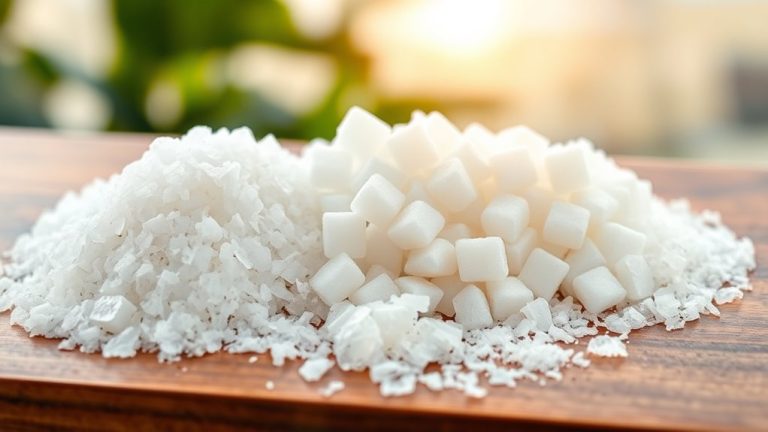
- Coarser salts, like kosher salt, show lower sodium content per teaspoon (~1,120 mg) because of their larger grain size. But keep in mind, measuring by volume can be a bit misleading here.
If you want to reduce sodium intake, you might want to consider low sodium options or salt substitutes like potassium chloride. These alternatives can help control blood pressure without sacrificing flavor. Unlike traditional salts, which all pack a similar sodium punch, these options give you a bit more flexibility.
Using Low-Sodium and Potassium Salts to Manage Hypertension
Choosing the right type of salt can make a noticeable difference in managing your blood pressure. Low-sodium salts and potassium-enriched salts help reduce sodium intake while promoting electrolyte balance. This balance is essential for hypertension management.
Potassium salts encourage sodium excretion and relax blood vessels, which helps control blood pressure. They also support overall cardiovascular health. But, if you have kidney issues or take certain medications, it’s important to check with your healthcare provider before switching to potassium-based salt substitutes.
Here’s a quick comparison:
| Salt Type | Key Benefits |
|---|---|
| Low-sodium salts | About 50% less sodium chloride |
| Potassium-enriched salts | Promote sodium excretion, relax vessels |
| Potassium salts | Balance electrolytes, improve mineral ratios |
| Boulder Salt | Reduced sodium, balanced electrolytes |
| Regular table salt | High sodium chloride; less ideal for BP control |
Using these specialized salts can effectively support your blood pressure control and overall cardiovascular health. Give them a try and see how they fit into your lifestyle!
Practical Tips for Reducing Salt Intake and Controlling Blood Pressure
To effectively reduce your salt intake and control blood pressure, start by gradually swapping regular table salt for low-sodium or potassium-enriched salts like Boulder Salt. This helps maintain flavor while supporting blood pressure control.
Next, focus on sodium restriction by limiting processed foods, which often have high sodium content.
Try these practical tips to reduce salt intake and promote healthy blood pressure:
- Choose potassium-enriched salts to balance sodium levels and enhance flavor.
- Use herbs, spices, lemon juice, or vinegar instead of salt to season meals naturally.
- Read food labels carefully, opting for products with low sodium (≤140 mg per serving).
- Incorporate potassium-rich foods like bananas and spinach to further support healthy blood pressure.
Frequently Asked Questions
What Is the Best Salt for Lowering Blood Pressure?
The best salt for lowering blood pressure is potassium-enriched salt, like potassium chloride. It helps your body excrete sodium and relax blood vessels.
But, you should use it carefully if you have kidney or heart issues. It’s always a good idea to check with your doctor before making any changes.
What Helps Lower BP Immediately?
To lower your blood pressure immediately, eat potassium-rich foods, reduce sodium intake, and use salt substitutes.
Drink lemon-infused water, consume magnesium-rich snacks, and stay hydrated to relax vessels and promote better circulation quickly.
These simple steps can help your body respond fast. Just give them a try and see how you feel!
What Is a Healthy Salt for High Blood Pressure?
You should choose potassium-enriched salts or low-sodium options like Boulder Salt. These help balance electrolytes, reduce sodium intake, and support blood vessel relaxation.
They’re healthier for managing high blood pressure effectively. It’s all about keeping things balanced and easy on your heart!
Which Is Better for High Blood Pressure, Sea Salt or Himalayan Salt?
Neither sea salt nor Himalayan salt is better for high blood pressure since both have similar sodium levels.
You should focus on reducing overall salt intake rather than choosing between these salts to manage your blood pressure effectively.
It’s really more about how much salt you consume in total, not the type you pick.
Conclusion
You might think cutting salt means bland meals, but it doesn’t have to be that way. By choosing salts lower in sodium and richer in minerals like potassium, you can still enjoy flavorful food while managing your blood pressure.
Balancing your mineral intake and reducing regular salt can make a big difference. With simple swaps and mindful choices, controlling high blood pressure becomes easier—and tastier—than you might expect.
Remember, the best salts to control high blood pressure aren’t just about less sodium. They include options that add valuable minerals which support heart health. So, by selecting the right salts and being aware of your mineral intake, you can effectively manage your blood pressure without sacrificing flavor. It’s all about making smart, easy changes that fit your lifestyle.