

Are Nicotine Salts Safe to Use? Risks, Benefits, and Expert Insights
Nicotine salts deliver nicotine faster and smoother than traditional forms, making them popular in vaping. However, this rapid delivery can increase your risk of addiction and cause side effects like nausea or an increased heart rate. Understanding the safety of nicotine salts is important if you use these products.
They’re generally less harmful than cigarettes since there’s no tobacco smoke involved. Still, the long-term effects on your lungs and heart aren’t fully known. Factors such as the device type and nicotine strength also impact safety.
If you want to better understand how to use nicotine salts safely and manage associated risks, there’s important information ahead. Being informed can help you make safer choices.
Nicotine Salts Vs. Freebase Nicotine: Key Differences
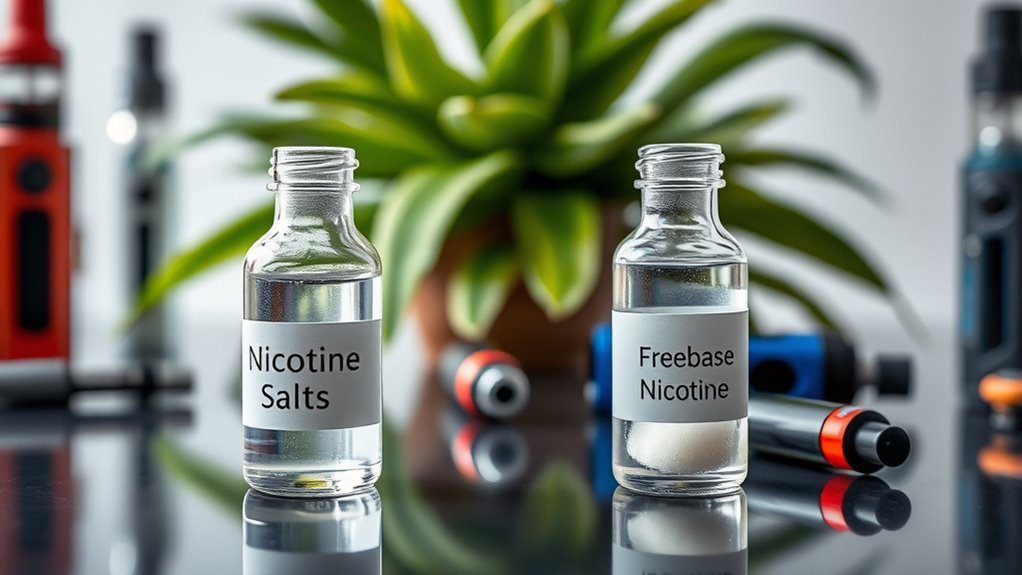
Although both nicotine salts and freebase nicotine deliver nicotine, they do so in very different ways that affect your vaping experience. Nicotine salts are created by combining freebase nicotine with acids, which makes inhaling much smoother than the harsher throat hit you get with freebase nicotine.
Because nicotine salts are less irritating, you can vape higher nicotine concentrations—often up to 50 mg/mL—without discomfort. Freebase nicotine, being more volatile, is typically used in lower strengths.
The differences in their chemical makeup also influence how quickly nicotine enters your bloodstream. Nicotine salts generally allow for faster absorption, providing quicker nicotine delivery compared to freebase nicotine.
These distinctions impact not only how you feel when vaping but also how your body processes nicotine overall.
How Nicotine Salts Affect Your Body and Absorption

When you vape nicotine salts, your body absorbs nicotine faster than with freebase nicotine, delivering effects almost immediately. This rapid nicotine absorption occurs because nicotine salts have a lower pH, allowing higher nicotine concentrations with less throat irritation.
As a result, the nicotine reaches your bloodstream quickly, causing noticeable bloodstream effects like increased heart rate and elevated blood pressure. The faster delivery can lead to stronger physiological responses, intensifying the stimulation you feel.
Additionally, nicotine salts may deposit larger particles in your lungs, which could influence absorption efficiency. Understanding these dynamics helps you recognize the health implications involved, as the quick onset and higher nicotine levels might affect your body’s response differently compared to traditional nicotine products.
Side Effects and Health Risks of Nicotine Salts

Because nicotine salts deliver nicotine rapidly and at higher concentrations, you may experience side effects like nausea, headaches, and throat irritation, especially if you use them excessively. These side effects can be uncomfortable and sometimes severe.
Additionally, the quick absorption increases the risk of dependency, making it harder to quit.
You should also be aware of potential health risks linked to cardiovascular effects such as elevated heart rate and blood pressure. Since long-term studies are limited, the full impact on lung health remains unclear.
Here are key points to contemplate:
- Side effects include nausea, dizziness, and throat irritation.
- Rapid nicotine delivery heightens dependency risk.
- Cardiovascular health risks like increased heart rate may occur.
- Long-term lung health effects are still unknown.
Safety Comparison: Nicotine Salts Vs. Traditional Cigarettes
When you compare nicotine salts to traditional cigarettes, you’ll notice they deliver nicotine faster and at higher levels.
But they do so without the tar and carbon monoxide from burning tobacco.
This difference affects the health risks you face, making nicotine salts generally less harmful yet still addictive.
You also need to take into account how regulatory standards shape the safety and quality of both products.
Nicotine Delivery Differences
Although nicotine salts deliver higher nicotine concentrations more rapidly than traditional cigarettes, this quick absorption can increase your risk of dependence.
The nicotine delivery and absorption speed of nicotine salts are particularly faster than freebase nicotine found in cigarettes, making their effects more immediate and intense.
Here’s what you need to know about these differences:
- Nicotine salts provide a rapid nicotine hit that closely mimics smoking traditional cigarettes.
- The faster absorption speed can make it easier to get hooked on nicotine salts.
- Despite similar nicotine delivery profiles, the long-term safety of this rapid delivery is still under study.
- Some evidence suggests nicotine salts may expose you to more harmful particles than cigarettes, raising lung health concerns.
Understanding these differences helps you make safer choices.
Health Risks Comparison
Understanding how nicotine salts deliver nicotine faster than traditional cigarettes sets the stage for comparing their overall health risks. While nicotine salts provide a smoother hit without tar or many harmful combustion byproducts found in cigarettes, they still expose you to nicotine’s addictive properties.
This rapid absorption can increase your risk of addiction, possibly even more than traditional smoking.
Although vaping nicotine salts may cause less lung irritation, the long-term health risks remain unclear. You shouldn’t consider nicotine salts a safe alternative since nicotine itself carries significant health risks, including increased heart rate and potential harm to your vascular system.
Ultimately, both nicotine salts and cigarettes pose serious addiction risks, so being aware of these dangers is essential when choosing whether to use either product.
Regulatory Standards Impact
Since both nicotine salts and traditional cigarettes fall under regulatory oversight, you should know how these standards affect their safety profiles. Regulatory standards aim to reduce harm but treat these products differently due to their nature. Here’s how:
- UK laws limit nicotine salts in e-liquids to 20mg/ml, controlling nicotine concentration.
- Traditional cigarettes undergo combustion, producing thousands of harmful chemicals regulated differently.
- Nicotine salts’ chemical composition beyond nicotine content faces less strict regulation, prompting ongoing safety evaluations.
- Regulatory agencies monitor ingredients in nicotine salts to prevent harmful additives but long-term effects remain uncertain.
While nicotine salts are often marketed as safer, safety evaluations highlight that neither product is risk-free. Understanding regulatory standards helps you make informed choices about these alternatives.
Device Type and Nicotine Salt Strength: Safety Factors
You need to contemplate how your device’s power affects nicotine delivery when using nicotine salts. High-powered devices can increase nicotine intake quickly.
While low-wattage pod systems work better with lower nicotine concentrations.
Matching the right device with the proper nicotine strength helps you avoid excessive intake and related health risks.
Device Power Impact
When you use high-powered devices with nicotine salts, the increased aerosol temperature can cause more thermal degradation, releasing harmful chemicals. Managing device power is essential to reduce these risks and protect your health.
Here’s what you should consider:
- Higher device power raises aerosol temperature, increasing thermal degradation of nicotine salts.
- Sub-ohm devices produce larger vapor clouds, leading to greater nicotine salt intake and particulate exposure.
- Combining high nicotine salt strength with powerful devices can cause side effects like nausea and rapid heartbeat.
- Lower wattage devices generate cooler vapor, minimizing thermal decomposition and enhancing safety.
Nicotine Concentration Limits
Although nicotine salts can be formulated at high concentrations for smoother inhalation, regulatory limits—such as the UK’s 20 mg/mL cap—exist to protect users and guide safe device compatibility. You should know that nicotine concentration plays a vital role in safety.
While salts might reach up to 60 mg/mL in some markets, exceeding regulated limits increases risks, especially when combined with powerful devices. Using high nicotine concentration e-liquids in low-resistance, high-wattage devices can lead to excessive intake and potential harm.
Regulations balance the need for effective alternatives for adult smokers with preventing youth misuse.
Research on Long-Term Effects of Nicotine Salt Vaping
Since long-term studies on nicotine salt vaping are limited, you should approach claims about its safety with caution. The long-term effects remain unclear, and research is ongoing. Here’s what you need to know:
- Some studies link inhaling nicotine salt vapor to lung inflammation and oxidative stress over time.
- Animal research shows airway irritation and immune responses, but human data are inconclusive.
- Larger aerosol particles in nicotine salt vapor may slow lung clearance, increasing chronic respiratory risks.
- Regulatory agencies stress the importance of continued research to understand cardiovascular and pulmonary impacts.
Until more exhaustive data emerges, you should stay informed and consider these potential risks carefully.
How to Use Nicotine Salts Responsibly
Understanding the uncertainties around the long-term effects of nicotine salt vaping makes it important to use these products carefully. To guarantee responsible use, always start with the lowest recommended nicotine strength and only increase if necessary.
Careful use of nicotine salt vaping is vital due to unknown long-term effects; start low and increase only if needed.
Follow the manufacturer’s instructions closely and avoid modifying your device to maintain safe vaporization.
Limit your vaping sessions and track your nicotine intake to prevent dependence and adverse effects like nausea or dizziness, which can result from rapid nicotine absorption.
If you notice any side effects or have concerns about using nicotine salts, consult a healthcare professional promptly.
Quitting Nicotine: Resources and Practical Tips
If you’re ready to quit nicotine, numerous resources and practical strategies can support you through the process. Using nicotine replacement products can ease withdrawal symptoms, while quitting support from hotlines like SAMHSA or apps like quitSTART offers counseling and personalized plans.
Behavioral strategies help manage cravings by identifying triggers and replacing habits.
Here are four key tips to help you quit successfully:
- Set a firm quit date and plan to reduce nicotine intake gradually.
- Use nicotine replacement therapies to minimize withdrawal effects.
- Seek quitting support through community programs or professional counseling.
- Apply behavioral strategies to handle triggers and build healthier routines.
These steps boost your chances of quitting and improve your overall health considerably.
Frequently Asked Questions
How Bad Is Nicotine Salt for You?
Nicotine salts can harm you by increasing addiction risk and causing side effects like nausea and higher heart rate. You’ll feel smoother hits, but long-term heart and lung damage remain serious concerns you shouldn’t ignore.
What Is the Safest Form of Nicotine?
The safest form of nicotine is none at all since nicotine is addictive and harmful.
If you choose to use it, lower concentrations and regulated products can reduce risks, but complete abstinence is always your best choice.
What Are the Long Term Effects of Nicotine Salt Pouches?
You might face increased dependency and possible lung or heart issues from long-term nicotine salt pouch use. Their rapid absorption and chemicals could cause inflammation, but scientists still need more research to understand all chronic effects fully.
What Are Longevity Side Effects From Nicotine Salts or Vapes?
You might face lung function changes, chronic inflammation, and increased addiction risks from nicotine salts or vapes. These could lead to respiratory and cardiovascular issues over time, but more research is needed to fully understand long-term effects.
Conclusion
When it comes to nicotine salts, you need to weigh the pros and cons carefully. While they offer smoother hits and faster absorption than freebase nicotine, they’re not without risks.
Using them responsibly and choosing the right device and strength can keep you safer, but don’t forget—every rose has its thorn.
If you’re thinking about quitting, plenty of resources can help you break free and take control of your health. Remember, understanding the safety of nicotine salts is key to making informed choices about your wellbeing.