

10 Reasons Salt Water Pools Are Better Than Chlorine Pools
You’ll enjoy gentler water with less chlorine odor and fewer skin and eye irritations in a saltwater pool.
Maintenance is easier and safer since you handle fewer harsh chemicals, and the system largely self-regulates.
Salt is cheaper than chlorine, saving you money while protecting your swimsuits and equipment from damage.
Plus, saltwater pools resist algae better and offer eco-friendly benefits.
If you want to discover how these advantages combine for a better swim, keep exploring.
Saltwater pools truly offer a refreshing and low-maintenance alternative to traditional chlorine pools.
Key Takeaways
- Saltwater pools produce fewer chloramines, which means less irritation and softer water. You get a more natural swimming experience that’s easier on your skin and eyes.
- Plus, the automatic chlorine generation cuts down on handling chemicals. That makes pool maintenance safer and way easier to manage.
- Saltwater pools also help lower ongoing costs. You don’t have to buy as much chlorine, and there’s less equipment corrosion to worry about.
- They create fewer harmful byproducts too, so they’re a greener and more sustainable choice for your pool.
- With stable chlorine levels, algae growth is kept in check. This means fewer chemical shocks and simpler water maintenance overall.
How Saltwater Pools Clean Your Water Using Chlorine
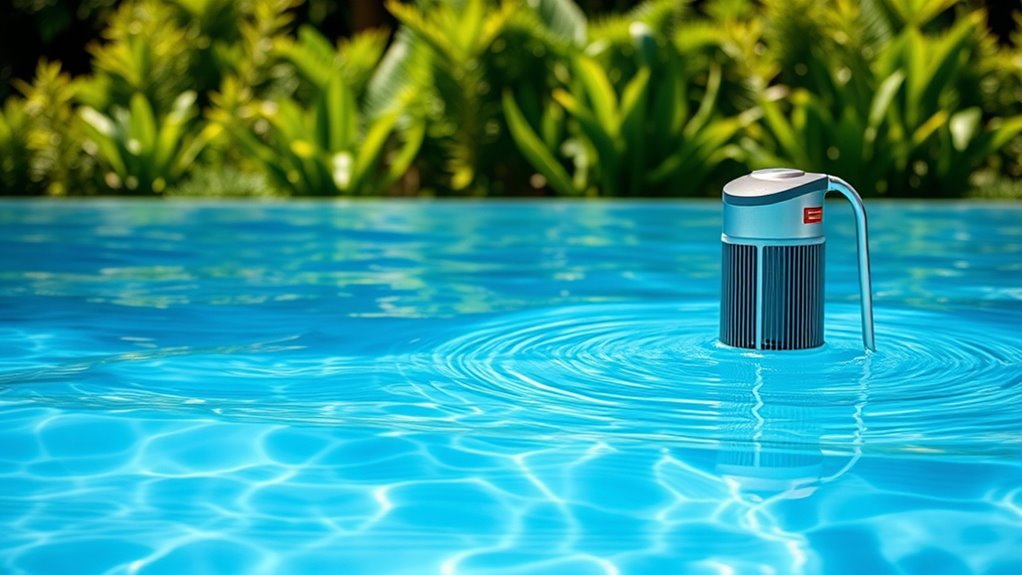
Although saltwater pools might seem like they don’t use chlorine, they actually rely on a saltwater chlorine generator that converts salt into chlorine to keep your water clean. When you use a salt chlorine generator, it produces a steady, low level of chlorine automatically, so you don’t have to add chemicals manually like you do with traditional chlorine pools.
Saltwater pools use chlorine generators to produce a steady, low chlorine level without manual chemical additions.
This system recycles salt within the pool, maintaining consistent chlorine production throughout operation. Because the chlorine is generated continuously and at a lower concentration, you get fewer chloramines—the compounds responsible for strong chemical smells and irritation.
This means you enjoy a gentler, more natural swimming experience without sacrificing cleanliness. Unlike conventional chlorine pools where you frequently adjust chlorine levels, saltwater systems handle it for you, making pool maintenance simpler and your water more comfortable.
The salt chlorine generator is key to this process, combining the benefits of chlorine sanitation with the ease and softness of saltwater. It’s pretty much the best of both worlds!
Why Saltwater Pools Smell Less Like Chlorine

You’ll notice saltwater pools smell less like chlorine because they produce fewer chloramines, the compounds that cause that strong chemical odor. With lower chlorine levels, the scent is milder and more pleasant while you swim.
This means you get a fresher, cleaner experience without the harsh chlorine smell. It’s one of the reasons why saltwater pools feel nicer to be in for longer periods.
Fewer Chloramines Produced
Why do saltwater pools smell less like chlorine compared to traditional pools? It’s because saltwater pools produce fewer chloramines, the compounds responsible for that strong chemical odor.
In saltwater pools, a salt generator keeps free chlorine levels stable, which markedly reduces chloramine formation. Unlike manual chlorination in traditional pools, this continuous, automatic process prevents chloramines from building up.
As a result, you’ll notice a fresher, more natural-smelling swimming environment. Plus, with fewer chloramines, you’re less likely to experience irritation in your eyes, skin, or respiratory system.
Reduced Chemical Odor
Because saltwater pools produce fewer chloramines, they don’t have that strong chemical smell you often associate with traditional pools. You’ll notice a much milder chemical odor, making your swimming experience more pleasant and less overpowering.
This happens because saltwater pools maintain balanced chlorine levels that reduce the formation of chloramines, the main culprits behind harsh pool smells. Instead of the typical sharp chlorine scent, saltwater pools smell cleaner and more natural, almost like ocean water.
This gentler odor not only makes your time in the pool more enjoyable but also signals healthier water. With fewer chemical odors, you’re less likely to experience irritation to your skin, eyes, or respiratory system, allowing you to relax and enjoy swimming without discomfort.
Lower Chlorine Levels
Saltwater pools achieve their milder smell by maintaining lower chlorine levels compared to traditional pools. This means you won’t be overwhelmed by that strong chlorine odor when you swim.
The key is that saltwater pools produce fewer chloramines—those compounds responsible for the harsh chemical scent. Lower chlorine levels not only reduce this smell but also make your swim more comfortable by cutting down irritation.
Here’s why saltwater pools smell less like chlorine:
- They generate fewer chloramines, reducing the pungent odor.
- Lower chlorine leads to less eye, skin, and respiratory irritation.
- The overall experience is more pleasant and invigorating without the suffocating chemical scent.
Choosing saltwater means enjoying a fresher, gentler pool environment.
How Saltwater Pools Make Maintenance Easier and Safer
When you switch to a saltwater pool, you’ll find maintenance becomes much simpler and safer. The water system automatically generates chlorine, so you don’t have to test and add chemicals as often. This means less time handling harsh chlorine and fewer trips to buy pool chemicals.
Switching to a saltwater pool means simpler, safer maintenance with less chemical handling and fewer supply runs.
You’ll only need to add salt once or twice a year, which is much easier than constant chemical balancing. Maintenance mainly involves cleaning the salt cell every 500 hours—a straightforward task compared to frequent chemical adjustments.
Because saltwater pools produce fewer chloramines, you’ll notice a softer water feel without the strong chemical smell. This reduces skin and eye irritation, making swimming more comfortable.
All in all, the self-regulating water system and reduced chemical handling make saltwater pools an easier and safer choice for ongoing care.
How Saltwater Pools Save You Money Over Time
You’ll save money with a saltwater pool because salt is cheaper and only needs to be added occasionally.
The automatic chlorine system cuts down on chemical tests and manual treatments, which means less hassle and lower maintenance costs.
Plus, fewer repairs are needed, so you won’t spend as much on professional service over time. It really adds up in your favor!
Reduced Chemical Expenses
Although the initial setup for a saltwater pool can cost more, it quickly pays off by cutting down your ongoing chemical expenses. Instead of buying chlorine tablets or liquids regularly, a salt chlorine generator produces chlorine automatically, saving you money over time.
Salt itself is inexpensive, costing just $5-$20 per 40-pound bag, which drastically lowers your chemical expenses compared to traditional pools. Here’s how saltwater pools save you money:
- Automatic chlorine generation reduces the need for purchasing extra chemicals.
- Salt is cheaper and lasts longer than chlorine products.
- Fewer chemical treatments mean lower overall maintenance costs.
Lower Maintenance Costs
Because saltwater pools use a salt chlorine generator, you don’t have to constantly test and add chemicals like you do with traditional pools. This automatic system maintains consistent chlorine levels by recycling salt, so you only need to add salt occasionally.
Over time, this means you’ll spend far less on chemicals and testing kits. You won’t have to buy chlorine tablets weekly, which can add up to hundreds of dollars in savings each year.
The reduced chemical use and minimal manual upkeep translate directly into lower maintenance costs. By choosing a saltwater pool, you’re investing in a system that cuts ongoing expenses and simplifies pool care.
Bottom line: it saves you money and effort in the long run.
Why Saltwater Pools Are Gentler on Skin, Eyes, and Hair
A saltwater pool offers a gentler swimming experience by producing fewer chloramines, the chemicals that cause irritation in traditional chlorine pools. Thanks to salt cells that continuously convert salt into chlorine, the pool water maintains a lower concentration of harsh chemicals.
This means you’ll notice less redness, burning eyes, and skin dryness after swimming.
Here’s why saltwater pools are kinder to your skin, eyes, and hair:
- Reduced Irritation: Fewer chloramines mean your eyes won’t sting, and your skin stays hydrated.
- Gentler on Hair: Saltwater helps prevent hair from becoming brittle or losing color, unlike traditional chlorine water.
- Softer Pool Water: The balanced saltwater environment feels less harsh, reducing discomfort for sensitive skin.
Switching to a saltwater pool can make your swimming experience more comfortable and enjoyable without sacrificing cleanliness or safety.
Why Saltwater Pools Feel Smoother and Silkier to Swim In
You’ll notice that saltwater pools feel gentler on your skin, cutting down on dryness and irritation. The water’s natural softness creates a smooth, moisturized swimming experience that’s easy on your eyes and hair.
This soothing sensation makes every swim more comfortable compared to traditional chlorine pools. It’s like giving your skin a little extra care while you enjoy the water. You’ll probably find yourself wanting to stay in longer!
Gentler Water on Skin
When you swim in a saltwater pool, you’ll notice the water feels smoother and less harsh on your skin. This soothing water feel comes from the pool’s natural salt content and its lower chemical levels, which together reduce skin irritation.
Here’s why saltwater pools are easier on your skin: Saltwater produces fewer chloramines, the compounds that often cause redness and discomfort. The water’s silky texture mimics ocean water, making it feel soft and pleasant during your swim.
Plus, salt has a moisturizing effect that helps keep your skin supple. That means you won’t get that tight, dry feeling you sometimes experience after chlorine exposure.
With a saltwater pool, you get a revitalizing swim without the harsh aftermath. It’s all thanks to its gentle, skin-friendly water feel.
Reduced Irritation and Dryness
Because saltwater pools produce fewer chloramines, you’ll notice much less irritation and dryness after swimming. This means your skin feels smoother and experiences reduced irritation compared to traditional chlorine pools.
You’ll also find less redness and dryness on your skin, making post-swim care simpler. Plus, your eyes won’t sting or burn as much because of the gentler water.
Soft, Moisturized Swimming Experience
Although both saltwater and chlorine pools clean your swimming environment, saltwater pools offer a noticeably softer, silkier feel that makes swimming more enjoyable. When you immerse yourself, you’ll immediately sense how the water feels smooth and gentle on your skin, creating a more luxurious experience.
The soft texture of saltwater helps keep your skin moisturized, preventing the dryness often caused by chlorine. Here’s why saltwater pools stand out:
- The gentle salt concentration mimics ocean water, providing a soothing, soft sensation.
- Saltwater maintains your skin’s natural moisture, reducing irritation and dryness.
- It’s less harsh on your eyes and hair, making your swimming experience more comfortable.
This soft, moisturized feel makes saltwater pools your ideal choice for enjoyable, skin-friendly swimming. Trust me, once you try it, you’ll notice the difference right away!
How Saltwater Pools Protect Your Swimsuits and Pool Gear
If you want your swimsuits and pool gear to last longer, saltwater pools offer a gentler alternative to traditional chlorine pools. Saltwater pools produce fewer chloramines and harsh chemicals, which means less chemical damage to your fabrics and accessories.
The softer, silkier water reduces fading and wear, helping your gear maintain its color and integrity over time. Unlike chlorine pools, saltwater pools leave behind less chemical residue, so your pool gear stays in better shape.
Here’s a quick comparison:
| Feature | Saltwater Pools |
|---|---|
| Chemical Damage | Minimal |
| Fabric Fading | Reduced |
| Chlorine Odor | Low |
| Metal Corrosion | Less |
Choosing a saltwater pool means less wear and tear on your swimsuits and pool gear. It saves you money and hassle in the long run.
Environmental Benefits of Saltwater Pools Compared to Chlorine
When you choose a saltwater pool, you’re embracing a system that produces fewer harmful chemical byproducts like chloramines. This means less pollution and a smaller environmental footprint for your pool.
Saltwater pools generate chlorine on-site through electrolysis, which cuts down the need for transporting and manufacturing traditional chlorine chemicals. So, you’re reducing your pool’s overall carbon footprint and decreasing the risk of chemical spills.
Here are three key environmental benefits of saltwater pools compared to chlorine:
- They minimize chemical runoff, protecting nearby water sources and ecosystems from contamination.
- They lower emissions of harmful byproducts, reducing air and water pollution.
- They eliminate the environmental hazards linked to storing and handling large amounts of chlorine.
Why Saltwater Pools Maintain Stable Chlorine Levels and Resist Algae
Because saltwater pools use a chlorine generator that continuously produces chlorine, they keep sanitation levels stable without requiring constant manual adjustments. This generator recycles salt in the water, ensuring stable chlorine levels that don’t fluctuate like in traditional pools.
Saltwater pools maintain steady chlorine levels effortlessly with a built-in generator that recycles salt continuously.
You don’t have to worry about manually adding chemicals or guessing the right chlorine amount. It’s pretty hands-off compared to regular pools.
Stable chlorine levels are essential because they prevent the common dips that allow algae to thrive. When chlorine levels drop, algae can quickly take hold, making your pool look green and grimy.
Saltwater pools resist this by delivering consistent chlorine, keeping the water clear and balanced. This algae resistance means less scrubbing and fewer chemical shocks for you.
With a saltwater system, you get a pool that maintains its cleanliness and health naturally, providing a better swimming experience without the hassle of constant chlorine adjustments. It’s a win-win!
How Saltwater Pools Reduce Risks From Handling Harsh Chemicals
Although traditional pools require you to handle strong chemical chlorinating tablets or liquids, saltwater pools produce chlorine through electrolysis, eliminating the need for these hazardous substances. This process makes managing your pool safer by reducing direct contact with harsh chemicals.
Here’s how saltwater pools reduce risks related to chemical handling:
- Handling salt is safer and simpler than dealing with powerful chlorinating chemicals. This lowers the chance of chemical spills or accidental exposure.
- Saltwater pools maintain lower chlorine levels, which helps prevent chemical burns and respiratory irritation. These issues are pretty common with traditional pools.
- The electrolysis process minimizes chloramine formation. That means fewer strong chemical odors and less irritation caused by chemical spills or handling.
Frequently Asked Questions
What Is the Downside of a Salt Water Pool?
The downside of a saltwater pool is that you’ll face higher upfront costs and potential corrosion of metal parts. It’s something to keep in mind before making the switch.
You’ll also need ongoing maintenance for the salt cells, which can add up over time. Plus, there’s the risk of salt damaging nearby surfaces, often requiring professional repairs. So, it’s a bit of a trade-off.
Is a Salt Water Pool Healthier Than Chlorine?
You might think swimming in saltwater means biting into a pretzel, but no—you’re actually choosing a gentler, healthier option.
Saltwater pools reduce harsh chemicals, so your skin and eyes will thank you instead of rebel.
Why Are Normal Pools Better Than Salt Water Pools?
You’ll find normal pools easier to maintain, with fewer repairs and lower upfront costs. They handle cold weather better and don’t risk corrosion on metal parts, making them more reliable and budget-friendly over time.
Plus, you don’t have to worry as much about salty water eating away at your pool equipment. It just makes life simpler and your wallet happier in the long run.
Why Would Anyone Want a Saltwater Pool?
You’ll love lounging in a saltwater pool because it’s softer, smoother, and safer for your skin and senses.
You won’t worry about harsh chemicals, and the natural, ocean-like experience makes swimming simply sensational.
Conclusion
Choosing a saltwater pool is like inviting a gentle ocean breeze into your backyard—refreshing, soothing, and effortless. You’ll swim in clearer, softer water that treats your skin and eyes like royalty while cutting down on harsh chemicals and maintenance headaches.
Over time, your wallet will thank you, and the environment will breathe easier too. Saltwater pools use fewer chemicals, making them a greener choice that’s better for the planet and your family’s health.
So, immerse yourself in the saltwater lifestyle and let your pool become a sparkling oasis of ease and comfort. With less maintenance and a more natural feel, saltwater pools truly beat chlorine pools every time. Embrace the benefits of saltwater pools and enjoy a cleaner, softer, and more enjoyable swimming experience all year round.