

Does a Salt Water Pool Need Chlorine?
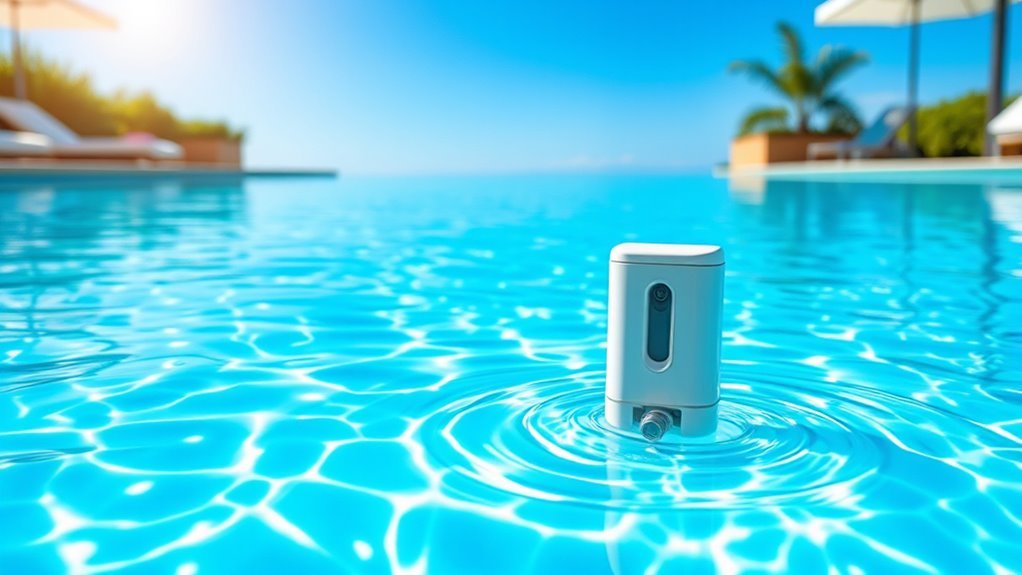
Yes, your saltwater pool still needs chlorine because the salt chlorine generator converts salt into chlorine to sanitize the water. This process keeps your pool clean and safe by maintaining free chlorine levels between 1-3 ppm.
So, even though it’s called a saltwater pool, chlorine is still the key to keeping the water sparkling and germ-free.
You might need to add extra chlorine if the water looks cloudy, algae starts to appear, or after heavy use and storms.
Knowing how chlorine is generated and when to boost it helps you keep your pool in top shape without any guesswork. It’s all about staying on top of maintenance to enjoy crystal-clear water all season long.
Key Takeaways
- Saltwater pools generate chlorine through electrolysis of dissolved salt for continuous sanitation. It’s a neat system that keeps your pool cleaner without you having to add chlorine all the time.
- But don’t get too relaxed just yet. Even though the system produces chlorine automatically, you still need to keep an eye on the chlorine levels to ensure the pool stays safe.
- You’ll want to add more chlorine if the free chlorine level drops below 1-3 ppm or if the water starts to look cloudy. Those are signs your pool isn’t as clean as it should be.
- Regular testing and balancing the water chemistry are key. This helps the system generate chlorine effectively and keeps your pool sanitized.
- Also, don’t forget to shock the pool or add extra chlorine after heavy use, storms, or when the seasons change. Those events can throw off the balance and increase contaminants.
Do Saltwater Pools Need Chlorine? How Chlorine Is Generated
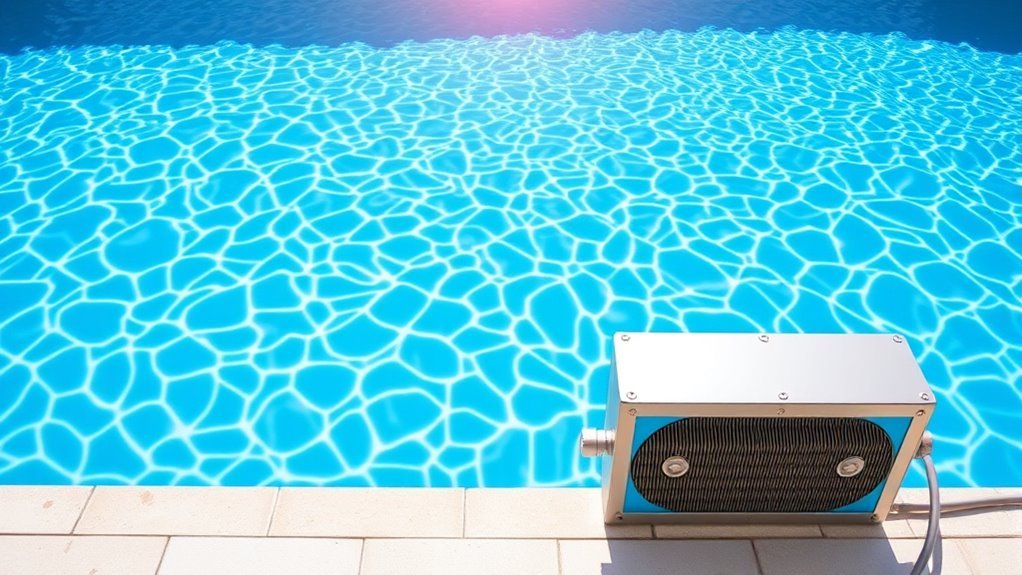
While saltwater pools generate chlorine automatically, they still need chlorine to keep the water sanitized. You might wonder how this works—saltwater pools rely on a salt chlorine generator equipped with a salt cell.
This device uses electrolysis to convert dissolved salt into chlorine gas, which then dissolves to maintain free chlorine levels, typically between 1-3 ppm. This steady chlorine generation ensures effective pool sanitation by continuously producing chlorine through a controlled chemical process.
To keep chlorine production efficient, you must maintain proper salt levels and water chemistry. Regularly cleaning the salt cell prevents buildup that can hinder electrolysis, ensuring consistent chlorine generation.
Although saltwater pools produce chlorine on their own, they still function as chlorinated pools because their pool sanitation depends entirely on this chlorine. By managing salt levels and maintaining the salt cell, you support effective chlorine production and keep your saltwater pool clean and safe.
When and Why to Add Extra Chlorine to a Saltwater Pool
Although saltwater pools generate chlorine continuously, you’ll need to add extra chlorine at times to keep the water safe and clear.
Your chlorine generator maintains chlorine levels between 1-3 ppm, but certain conditions call for supplemental chlorine to properly sanitize the pool. Regular pool maintenance involves testing free chlorine and cyanuric acid to ensure balanced water chemistry.
You should add extra chlorine when you notice cloudy water or visible algae growth, or if free chlorine levels drop below the recommended range.
Also, after heavy pool use or storms that introduce contaminants, it’s a good idea to boost your chlorine. Don’t forget to do this at the start and end of the swimming season too.
During extreme weather events that disrupt water chemistry, adding extra chlorine helps keep things balanced.
In these cases, a shock treatment quickly restores chlorine levels, killing bacteria and algae. Monitoring and adjusting your saltwater pool’s chlorine levels helps prevent issues and keeps your water clean and inviting.
Frequently Asked Questions
What Is the Downside of a Salt Water Pool?
The downside of a saltwater pool is that salt can cause corrosion, scaling, and damage to surfaces and equipment. You’ll need to balance chemicals often and rinse regularly to prevent buildup, increasing your maintenance efforts and costs.
It’s definitely something to keep in mind if you want to avoid extra work. But with the right care, it’s manageable!
How Do I Get My Salt Water Pool Crystal Clear?
You want crystal clear water, not cloudy mess. Keep chlorine at 1-3 ppm, balance pH between 7.2-7.6, shock weekly, clean your salt cell, and use clarifiers.
These steps keep your pool sparkling and inviting. Just stick with this routine, and you’ll have a beautiful swim ready whenever you want.
How Often Should I Shock a Salt Water Pool?
You should shock your saltwater pool every 1 to 2 weeks to keep the water clear and free of contaminants.
If it’s hot out or the pool is getting a lot of use, you might want to do it more often. Always make sure to follow the product instructions for the best results.
How Hard Is It to Maintain a Saltwater Pool?
Maintaining a saltwater pool isn’t rocket science, but it does take regular attention. You’ll need to test water weekly, clean the generator every few months, and occasionally adjust chlorine levels.
It’s all about keeping everything sparkling and balanced. With just a bit of care, your pool will stay in great shape without much hassle.
Conclusion
You might think that a saltwater pool doesn’t need chlorine, but it actually does—just in a different way. The salt chlorine generator creates chlorine from the salt in your water, keeping it sanitized without you having to add traditional chlorine often.
However, sometimes you’ll need to add extra chlorine, especially after heavy use or hot weather, to keep your pool crystal clear and safe.
So, don’t skip chlorine altogether; your saltwater pool still relies on it to stay clean. Maintaining the right chlorine levels is essential for effective pool sanitation. Even though saltwater pools use a salt chlorine generator, adding chlorine occasionally ensures the water remains balanced and free from harmful bacteria. In short, a saltwater pool does need chlorine—not in the usual way, but it’s still vital to keep your pool safe and sparkling.