
Salt Vs Sugar – 10 Worse Health Effects Ranked
You’re likely consuming hidden salt and sugar daily, and both can seriously harm your heart. Salt raises blood pressure by making your body retain water and stiffening your arteries. This forces your heart to work harder than it should.
Sugar, on the other hand, spikes blood pressure even faster. It also promotes insulin resistance and increases inflammation in your body.
Too much salt puts you at risk for stroke and heart disease, while excess sugar can nearly triple your risk of cardiovascular death.
Sugary drinks make things worse by sharply increasing blood pressure, adding to the danger.
If you want to protect your heart, it’s really important to learn how to spot and cut down on these hidden dangers.
Taking control now can make a big difference for your long-term health.
Key Takeaways
- Excess salt causes high blood pressure by increasing blood volume and arterial stiffness. This raises the risk of heart disease and stroke.
- Excess sugar spikes blood pressure and promotes insulin resistance. If more than 25% of your daily calories come from sugar, it can triple your risk of cardiovascular death.
- Both salt and sugar speed up inflammation and atherosclerosis. Over time, this leads to long-term cardiovascular damage and a higher chance of heart attacks.
- Hidden salt and added sugars are common in processed foods and drinks. These sneakily raise your intake without you even realizing it.
- Cutting back on salt and sugar can lower your blood pressure and cardiovascular risk in just a few weeks. This helps improve your overall heart and vascular health.
How Salt Raises Blood Pressure and Heart Risk
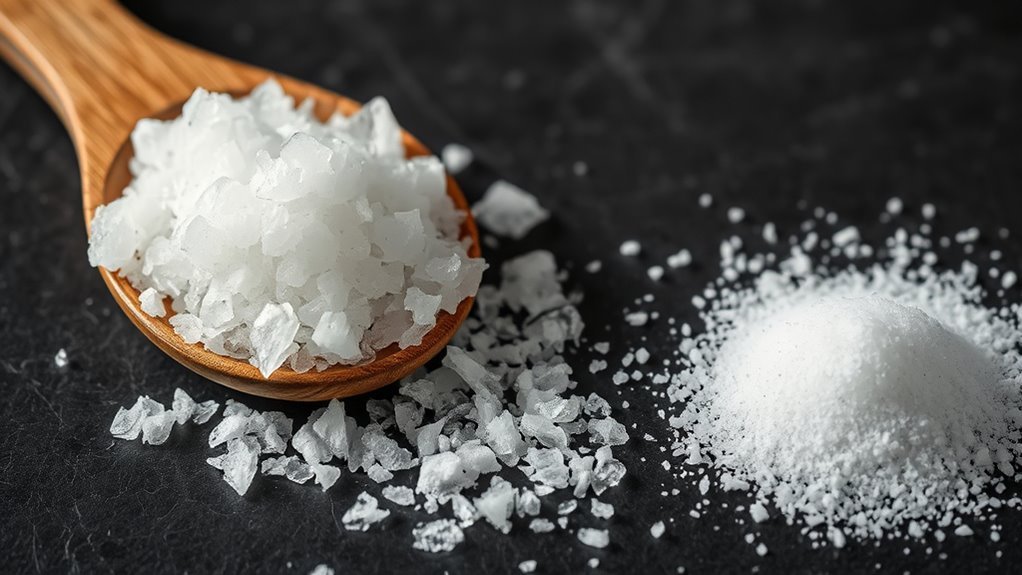
Although salt adds flavor to your meals, consuming too much can cause your body to retain water. This increases blood volume and pushes your blood pressure higher.
Excess salt intake causes water retention, increasing blood volume and raising blood pressure.
When your sodium intake is excessive, it makes your arteries stiffer. This forces your heart to work harder and raises your risk of heart disease.
Most of the sodium you consume—nearly 90%—comes from processed foods. That makes it easy to exceed healthy limits without even realizing it.
The 2013 dietary guidelines recommend keeping your salt intake to 1,500 mg per day. Doing this can help manage your blood pressure.
If you reduce your sodium intake, you could see improvements in your blood pressure within weeks. This lowers your cardiovascular risk.
Why Added Sugar Is Worse Than Salt for Your Heart
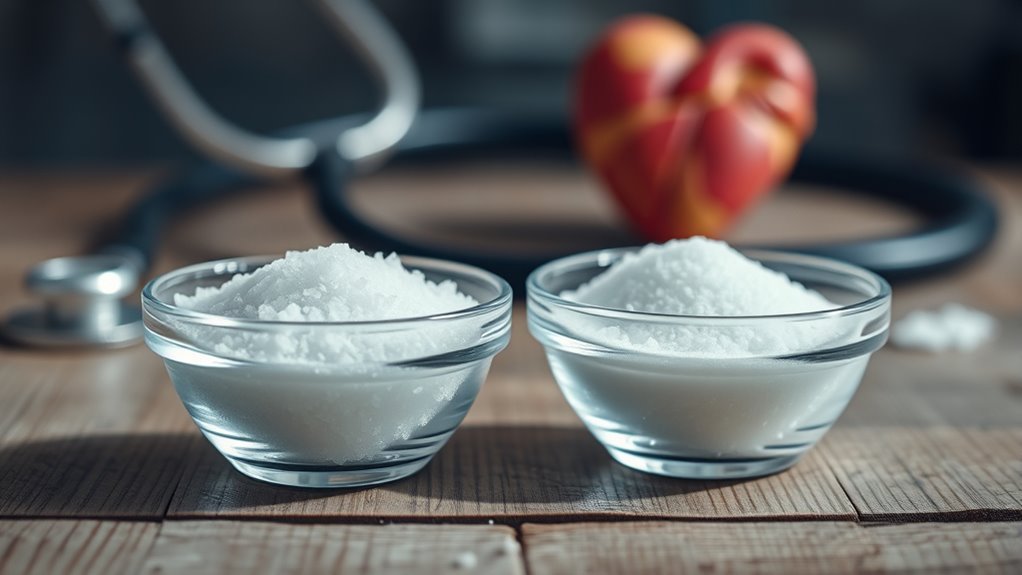
You might not realize it, but added sugar can raise your blood pressure just as much as salt, if not more.
Consuming too much sugar increases your risk of heart disease by causing inflammation and raising triglycerides.
Cutting back on added sugar is one of the most effective ways to protect your heart.
Sugar Raises Blood Pressure
When added sugar floods your system, it can spike both systolic and diastolic blood pressure by 5 to 7 points, putting your heart at serious risk. Just drinking 24 ounces of soda, loaded with added sugar, can raise your blood pressure by about 15/9 mm Hg.
Over time, consuming more than 25% of your daily calories from added sugar nearly triples your risk of dying from cardiovascular diseases. Fructose, a common processed sugar, promotes insulin resistance and hypertension within just two weeks of high intake.
Unlike natural sugars in fruits, added sugar stresses your cardiovascular system and drives up blood pressure. Cutting back on added sugar is vital to protecting your heart and maintaining healthy blood pressure levels.
Cardiovascular Risk From Sugar
Since added sugar directly raises blood pressure and promotes insulin resistance, it poses a greater threat to your heart than salt does. Consuming more than 17% of your daily calories from added sugars markedly increases cardiovascular mortality risk.
Sugary drinks and processed foods spike blood pressure and worsen cholesterol, triglycerides, and inflammation—key drivers of heart disease. Drinking 24 ounces of soda can raise your systolic blood pressure by 15 points, showing sugar’s immediate harm.
Overconsuming added sugars, above 25% of calories, can nearly triple your risk of cardiovascular death. That’s a far worse impact than salt’s more indirect effects.
| Added Sugars Impact | Your Heart Risks |
|---|---|
| Raises blood pressure | Increases heart attack risk |
| Promotes insulin resistance | Causes inflammation |
| Elevates triglycerides | Worsens cholesterol |
| Triples cardiovascular death risk | Accelerates atherosclerosis |
| Immediate vascular effects | Long-term heart damage |
Top 5 Health Risks of Too Much Sodium
Although sodium is essential for your body, consuming too much can seriously harm your health. Excessive sodium intake often leads to high blood pressure, which is a major risk factor for heart disease and stroke.
When you consume too much sodium, your body retains water. This increases blood volume and elevates blood pressure.
Most of the sodium you eat—nearly 90%—comes from processed and restaurant foods. These can easily push you beyond the recommended limit.
The 2013 guidelines suggest keeping sodium intake under 2,400 mg per day. Ideally, you should aim for 1,500 mg to help reduce blood pressure.
If you cut back on sodium, you can lower your blood pressure within weeks. This decreases your risk of cardiovascular events.
Managing your sodium intake is a vital step in protecting your heart and overall health. By being mindful of the sodium content in your diet, you can avoid serious health risks and maintain better long-term well-being.
5 Worst Blood Pressure and Heart Effects of Too Much Sugar
When you consume too much sugar, especially fructose, your blood pressure can spike dangerously. This sugar overload drives insulin resistance, making it harder for your body to regulate blood sugar and blood pressure.
Over time, these effects markedly raise your risk of serious cardiovascular problems. It’s a sneaky way sugar can hurt your heart without you even realizing it.
Sugar Raises Blood Pressure
If you regularly consume high amounts of sugar, you’ll likely see your blood pressure rise by 5 to 7 points, putting extra strain on your heart. Sugar doesn’t just add calories; it actively raises both systolic and diastolic blood pressure, increasing your cardiovascular risk considerably.
For example, drinking 24 ounces of soda can spike your systolic pressure by 15 points and diastolic by 9 points. Excess sugar also forces your heart to work harder by increasing heart rate and vascular resistance.
Here’s what sugar does to your blood pressure:
- Elevates blood pressure, stressing your cardiovascular system
- Increases heart rate and vascular resistance
- Boosts risk of heart disease when added sugar exceeds 25% of daily calories
Cutting back on sugar is essential for protecting your heart. Trust me, your heart will thank you for it!
Fructose Drives Insulin Resistance
Because fructose triggers insulin release, consuming too much rapidly drives insulin resistance—a major contributor to high blood pressure and heart disease. When you eat excessive fructose, your body increases triglycerides and fasting insulin levels, pushing you toward metabolic syndrome in just weeks.
This insulin resistance stresses your system, making it harder to regulate blood sugar and blood pressure. Unlike fructose naturally found in fruit, processed fructose from added sugars worsens this effect, raising cholesterol and causing fat to build up in your liver.
Over time, these changes strain your cardiovascular system, notably increasing your risk of hypertension and related complications. So, cutting back on processed fructose is essential to prevent insulin resistance and protect your heart health.
Cardiovascular Risks Increase
Although sugar might seem harmless, consuming more than 25% of your daily calories from added sugar nearly triples your risk of dying from cardiovascular disease. High sugar intake directly impacts your heart by raising blood pressure and promoting harmful conditions like insulin resistance.
For example, just drinking 24 ounces of soda can spike your systolic blood pressure by 15 points, putting extra strain on your heart. Excess sugar also elevates triglycerides and fuels inflammation, further increasing cardiovascular risks.
Here’s how sugar intake harms your heart health:
- Drives insulin resistance linked to hypertension
- Raises triglycerides and causes inflammation
- Contributes to metabolic syndrome, a key heart disease risk factor
Cutting back on sugar intake is vital to protect your cardiovascular system. It’s really worth making the effort for your heart’s sake!
How Fructose Raises Blood Pressure and Heart Disease Risk
When you consume high amounts of fructose, especially from processed foods, it triggers insulin release that can lead to insulin resistance and higher blood pressure. This increased insulin resistance makes your blood vessels less flexible, raising both systolic and diastolic pressure.
Fructose also elevates your triglyceride levels, promoting metabolic syndrome, which further puts you at risk for heart disease. Plus, fructose accelerates oxidative stress and inflammation, damaging blood vessels and increasing cardiovascular risk.
Unlike natural sugars in fruits, excessive fructose from processed foods profoundly worsens your heart health by increasing vascular resistance. This combination of effects means that high fructose intake doesn’t just affect your blood sugar but also creates a harmful environment in your circulatory system, making heart disease more likely.
How Processed Foods Hide Dangerous Levels of Salt and Sugar
If you rely on processed foods, you might be consuming far more salt and sugar than you realize. These foods often contain hidden salt and added sugars that sneak into your diet without clear warning.
Many products, like bread or spaghetti sauce, pack sodium levels exceeding 20% of your daily value per serving, even when they seem healthy. Added sugars frequently hide in condiments, snacks, and cereals, sometimes listed under vague names that make it hard to track your intake.
To protect yourself from these hidden dangers, read labels carefully to spot salt and sugar under different names. Watch out for processed items marketed as healthy but loaded with sodium or added sugars.
Also, try to limit packaged snacks and condiments that enhance flavor by concealing high salt and sugar content. It’s a good way to keep your diet in check without missing out on taste.
How Sugary Drinks and Soda Spike Your Blood Pressure
Because sugary drinks like soda contain high levels of sugar, they can quickly raise your blood pressure by causing a sharp spike in blood sugar and insulin levels. Drinking just 24 ounces of soda can increase your systolic blood pressure by about 15 points and diastolic pressure by 9 points.
This happens because the sugars in soda trigger insulin release, which narrows your blood vessels and raises vascular resistance. Over time, regularly consuming sugary drinks like soda markedly increases your risk of developing hypertension and cardiovascular problems.
The more sugars you consume through these beverages, the harder your heart has to work, which strains your circulatory system. The good news? Cutting back or eliminating sugary drinks can lower your blood pressure in just a few weeks.
How to Spot Hidden Sugar and Salt in Your Food
Although many foods don’t taste overly sweet or salty, they can still contain hidden sugar and salt that impact your health. To spot hidden sugar, always check food labels for ingredients like high fructose corn syrup, dextrose, or cane sugar.
Many foods hide sugar and salt—look for ingredients like high fructose corn syrup and cane sugar on labels.
Sodium content is another key factor. Foods with more than 20% daily value (DV) of sodium are considered high and can be found in many processed items.
Even products like canned beans, frozen meals, spaghetti sauce, and flavored yogurts may have surprising amounts of sugar and salt.
Here’s how you can spot hidden sugar and salt effectively:
- Read ingredient lists carefully, especially on condiments, bread, and sauces.
- Check nutrition labels for sodium percentages and added sugars.
- Use nutrition apps or guides to identify hidden additives and choose whole, unprocessed foods.
Practical Ways to Cut Sugar and Salt Without Losing Flavor
You can easily cut back on salt and sugar by using fresh herbs, spices, and citrus to boost flavor without the extra sodium or sweetness. Try swapping sugary drinks for fruit-infused water.
Also, experiment with roasting or grilling veggies to bring out their natural taste. With a few smart cooking tweaks, you won’t miss the salt or sugar at all.
Flavorful Salt Alternatives
When you want to cut back on salt and sugar, turning to herbs like basil, oregano, and thyme can instantly boost your dish’s flavor without any added sodium or sweetness. These flavorful alternatives help you enjoy meals that feel rich and satisfying while keeping your health goals intact.
Alongside herbs, try these options to enhance taste naturally: add citrus zest or juice (lemon, lime) for brightness and depth. You can also use spices like paprika, cumin, or cinnamon to introduce bold, complex flavors.
Don’t forget about roasted garlic or onion powder—they’re great for enriching those savory notes. These little tweaks can make a big difference without relying on salt or sugar.
Smart Sugar Substitutions
Just as herbs and spices can replace salt to brighten your meals, smart sugar substitutions help you cut back on sweetness without sacrificing flavor. Swap processed sugars for whole fruits and unsalted nuts to naturally satisfy your sweet cravings.
Use fresh citrus, ginger, and garlic to add zest and depth. This way, you reduce the need for added sugar.
Make homemade dressings and sauces with vinegar, herbs, and spices instead of store-bought options loaded with processed sugars and salt. Gradually lowering sugar in recipes helps your taste buds adjust to less intense sweetness.
Cooking Techniques To Enhance
Although cutting back on salt and sugar might seem challenging, using the right cooking techniques lets you maintain bold, satisfying flavors. By focusing on natural flavor enhancers, you can enjoy delicious meals without relying on excess salt or sugar.
Start by experimenting with herbs and spices like basil, garlic, and cumin to add depth. Citrus zest or juice can naturally boost sweetness or acidity, cutting down the need for added sugar or salt. Roasting vegetables develops rich, savory flavors that compensate for reductions in salt and sugar.
- Use fresh herbs and spices to elevate dishes without extra salt or sugar
- Add citrus zest or juice for natural sweetness and brightness
- Roast veggies to bring out deep, umami-rich flavors
These cooking techniques help you cut back while keeping meals tasty and satisfying. Give them a try—you might be surprised at how flavorful your food can be!
How to Balance Salt and Sugar for a Healthy Heart
Because both salt and sugar can independently raise your risk of heart problems, you need to manage their intake carefully. One of the best ways to do this is by cutting back on processed foods, which often contain high levels of both salt and added sugars.
Instead, focus on eating natural, whole foods like fruits, vegetables, and lean proteins. These provide essential nutrients without the excess.
Remember, salt is necessary for functions like regulating your heartbeat, but too much can lead to high blood pressure. Balancing your diet means moderating salt and sugar to avoid overloading your system.
Avoid processed snacks, fast foods, and sugary drinks to keep your heart healthier. By making these changes, you’ll help maintain healthier blood pressure and reduce your cardiovascular risk.
It’s all about choosing the right foods to keep your heart strong and your body in balance. Simple swaps and mindful eating can really make a difference.
Frequently Asked Questions
What Is Worse, Too Much Salt or Sugar?
Too much sugar is worse for you than salt because it raises your blood pressure more and increases heart disease risk. Cutting back on sugar can considerably improve your cardiovascular health and reduce mortality risk.
Honestly, managing how much sugar you consume can make a big difference. It’s one of those simple changes that can really pay off in the long run. So, keeping an eye on your sugar intake? Definitely worth it.
What Is the Number One Worst Food for Your Heart?
The number one worst food for your heart is added sugar, especially from processed snacks and sugary drinks.
You’ll want to cut back because it raises blood pressure, increases cholesterol, and boosts your risk of heart disease.
It’s really that simple—too much sugar can do a lot of damage to your heart health. So, keeping an eye on how much you consume is a smart move.
Is Sugar Worse for Your Heart Than Salt?
Sure, sugar’s sneakier and seriously more sinister for your heart than salt. It spikes blood pressure, stirs inflammation, and strains your system.
Which Is More Inflammatory, Sugar or Salt?
Sugar is more inflammatory than salt because it triggers insulin resistance and elevates cytokine production.
You’ll reduce inflammation more effectively by cutting added sugars rather than just lowering salt intake in your diet.
Conclusion
You might think salt is the bigger culprit, but in reality, sugar often plays the more mischievous role in raising your heart risks. While both can quietly nudge your blood pressure upward, sugar tends to sneak in more trouble under the radar.
By gently trimming down on both, you’re not just cutting back—you’re giving your heart a kinder, calmer environment. Small changes can lead to a sweeter, healthier life without losing taste.
Reducing sugar and salt intake helps protect your heart and lowers blood pressure, which are key for long-term health. So, making mindful choices about how much sugar and salt you consume can really make a difference. It’s all about finding that balance for a healthier lifestyle.