
7 Reasons Salt Water Pools Are Better
You’ll love saltwater pools because the water feels softer and gentler on your skin and eyes, cutting down irritation and dryness. They produce fewer harsh chemical fumes, so the strong chlorine smell and eye redness are minimal.
Maintenance gets easier with automatic chlorinators, saving you time and money on chemicals.
Plus, these pools are kinder to the environment and extend equipment life.
Keep exploring to discover how these benefits truly add up. Saltwater pools offer a refreshing, low-maintenance alternative to traditional pools, making your swimming experience more enjoyable and eco-friendly.
Key Takeaways
- Saltwater pools offer gentler water that reduces skin dryness, irritation, and eye redness compared to traditional chlorine pools. So, if you have sensitive skin or eyes, this can be a real game-changer.
- They produce fewer chemical odors and chloramines, resulting in fresher air and less strong chlorine smell around the pool. It just makes hanging out by the pool way more enjoyable.
- Automatic salt chlorinators simplify maintenance by maintaining consistent chlorine levels and reducing manual chemical handling. This means less fuss and more time to relax.
- Saltwater systems lower ongoing chemical costs and maintenance frequency, providing significant long-term financial savings. Over time, that can add up to a lot of money back in your pocket.
- Eco-friendly operation minimizes chemical waste and pollution, supporting a cleaner environment and longer-lasting pool equipment. So, you’re doing your part for the planet while enjoying your pool.
How Saltwater Pools Produce Softer, Gentler Water
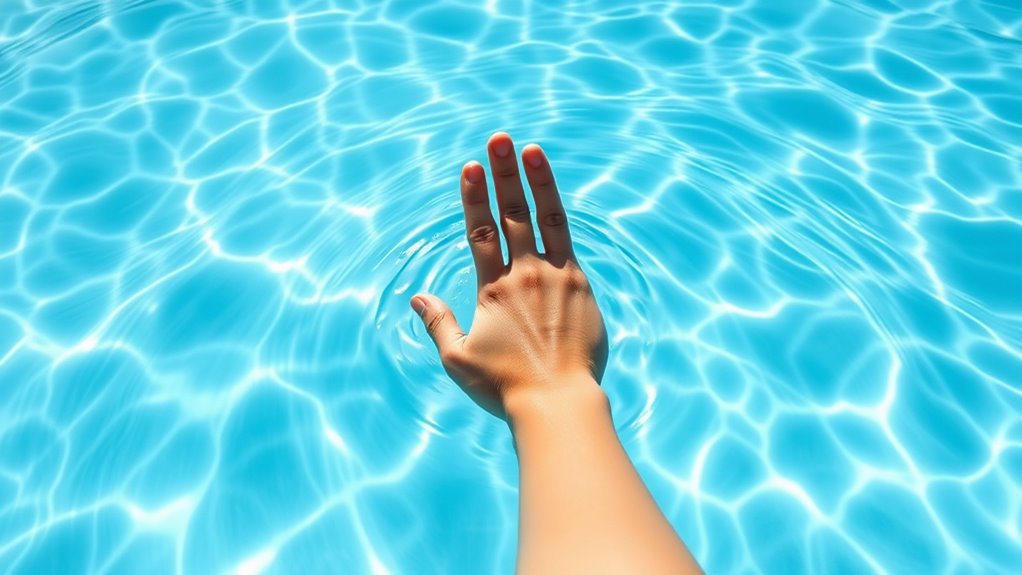
Although saltwater pools still use chlorine, they produce water that feels much softer and gentler on your skin. Unlike traditional pools, saltwater pools maintain a salinity level close to human tears, around 3,000 ppm, which makes the water less drying and more soothing.
Saltwater pools use mild chlorine and maintain a gentle salinity like tears, making the water soft and soothing.
This softer water reduces skin irritation that often comes with harsh chemical chlorination in regular pools. When you swim in a saltwater pool, you’ll notice your skin and hair don’t feel stripped or rough afterward.
The gentle saltwater helps prevent the unpleasant dryness and itching that chemical chlorination can cause. Plus, because saltwater pools use lower chlorine levels, the water feels more natural and doesn’t trigger the harsh chemical smell you might be used to.
This means your swimming experience is not only more comfortable but also more invigorating, especially if you have sensitive skin or are prone to irritation.
Why Saltwater Pools Don’t Have That Strong Chlorine Smell
Because saltwater pools produce fewer chloramines—the compounds that cause that strong chlorine smell—you’ll notice the air around them feels fresher and less harsh. Chloramines form when chlorine reacts with sweat, oils, and other contaminants, creating that pungent odor and irritating chemical fumes common in traditional pools.
Saltwater systems use electrolysis to generate chlorine more gently and consistently, which keeps chloramine levels low. This process means the chlorine smell is far less intense, improving your overall experience.
With reduced chloramine formation, the water quality stays clearer and cleaner without the overwhelming chemical scent. So when you’re near a saltwater pool, you won’t be hit by the typical suffocating chlorine smell that lingers in many public or indoor pools.
You get a more pleasant environment that’s easier on your senses, thanks to the natural balance saltwater pools maintain.
Easier Maintenance: What Saltwater Pools Mean for You
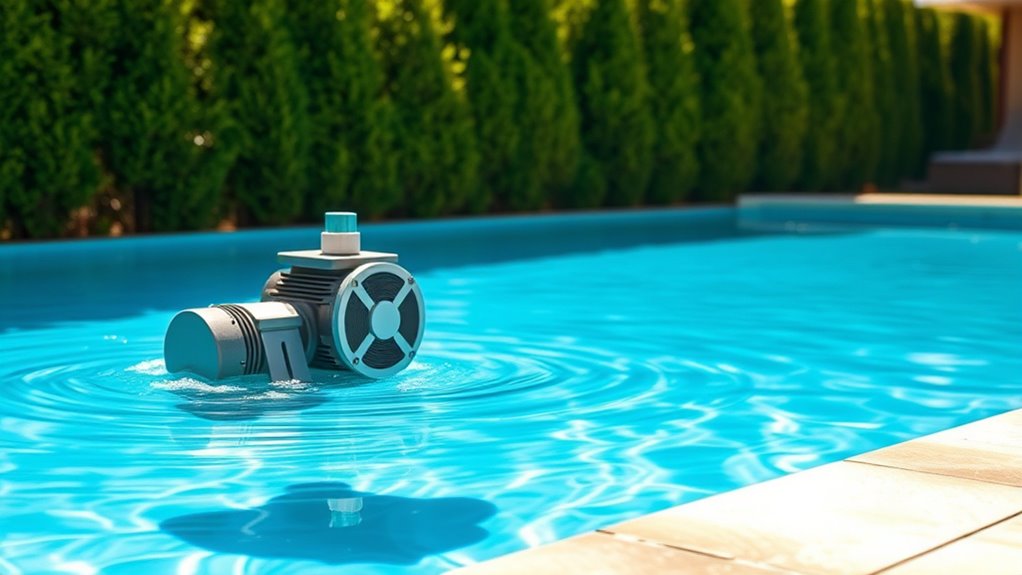
You’ll enjoy more consistent chlorine levels with a saltwater pool thanks to its automatic generator. This means you’ll spend less time handling harsh chemicals and testing your water.
Consistent Chlorine Levels
When you choose a saltwater pool, the salt chlorinator automatically produces a steady flow of chlorine, keeping levels consistent without your constant attention. This saltwater system adjusts chlorine production based on your pool’s needs, so you don’t have to worry about frequent chemical testing or manual chlorine additions.
With a chlorine generator working continuously, you’ll enjoy consistent chlorine levels that help prevent algae growth and maintain balanced water chemistry. This means clearer, healthier water with far less effort on your part.
Reduced Chemical Handling
Maintaining consistent chlorine levels with a saltwater system also means you’ll handle fewer chemicals overall. Saltwater systems generate chlorine automatically, cutting down on manual chemical handling and simplifying maintenance.
You won’t need to store or mix multiple products, which reduces your exposure to harsh substances. This makes chemical management safer for you and your family.
Here’s a quick comparison to visualize the difference:
| Traditional Pool Chemical Handling | Saltwater Pool Chemical Handling |
|---|---|
| Multiple chemical products needed | Primarily salt for chlorine generation |
| Frequent manual chlorine additions | Automatic chlorine generation |
| Higher chemical exposure risk | Lower chemical exposure risk |
With fewer chemicals to manage, your pool upkeep becomes less time-consuming and stressful. It’s just easier all around.
Simplified Water Testing
Saltwater pools cut down the hassle of frequent water testing by keeping chlorine levels steady through an automated salt generator. This means you don’t have to worry about constantly adding chemicals to maintain proper chlorine levels.
Instead, your main focus shifts to monitoring pH balance, alkalinity, and calcium hardness, which simplifies overall water testing. With saltwater pools, the salt chlorinator continuously produces chlorine, reducing manual adjustments and making maintenance more straightforward.
Plus, many systems now come with smartphone apps that let you check water quality in real-time, so you can stay on top of your pool’s health effortlessly. Overall, saltwater pools streamline maintenance by offering stable water chemistry and minimizing chemical management.
This makes water testing easier and less time-consuming for you.
Are Saltwater Pools Worth It? Saving Money Over Time
Although setting up a saltwater pool can cost between $1,400 and $2,000 initially, you’ll save money over time thanks to lower maintenance expenses. Saltwater pools reduce chemical costs significantly, as you won’t need to buy chlorine as often.
This means fewer purchases each season, resulting in long-term cost savings. Maintenance is simpler and less frequent, which adds to the affordability of saltwater pools.
Over time, these savings can offset the initial investment, making saltwater pools a smart financial choice. Plus, they can increase your home’s value, adding another layer of long-term benefit.
| Expense Type | Traditional Chlorine Pool | Saltwater Pool |
|---|---|---|
| Initial Setup Cost | Low ($300-$500) | Higher ($1,400-$2,000) |
| Chemical Costs | High (frequent chlorine) | Low (less chlorine) |
| Maintenance | Frequent and costly | Less frequent, cheaper |
| Long-Term Savings | Minimal | Significant |
| Home Value Impact | Neutral | Potential increase |
Benefits of Saltwater Pools for Skin, Eyes, and Hair
You’ll notice that saltwater pools feel softer and silkier on your skin compared to traditional pools. They cause less eye irritation and reduce dryness, making swimming more comfortable.
Plus, the gentle water can actually benefit your hair and skin, leaving you feeling refreshed after every swim. It’s like a little spa treatment every time you take a dip!
Softer Water Sensation
When you swim in a salt water pool, you’ll notice how much gentler the water feels against your skin and eyes. This softer water, with salinity levels close to human tears, reduces skin irritation and dryness compared to traditional chlorinated pools.
You’ll find that the gentle feel of salt water helps protect your skin from redness and soreness, making each swim more comfortable. It also supports better hair health by preventing brittleness and dryness, leaving your hair feeling silkier and healthier.
Unlike harsh chemicals in regular pools, saltwater’s natural composition minimizes damage to both your skin and hair. This soothing sensation makes salt water pools a revitalizing and skin-friendly alternative, perfect for anyone looking to enjoy swimming without the common irritations.
Reduced Eye Irritation
How often do your eyes sting or turn red after a swim? If you switch to a saltwater pool, you’ll notice a big difference. Saltwater pools produce fewer chloramines, the main culprits behind that annoying eye irritation you get in traditional chlorine pools.
Since the salt concentration in saltwater pools closely matches your natural tears, it’s much gentler on your eyes. This means less burning and stinging sensations. Plus, saltwater pools emit fewer harsh chemical fumes, which means less redness and discomfort.
This gentler environment helps prevent dry, itchy eyes after swimming. So, you can enjoy your time in the water without worrying about irritation. Overall, saltwater pools offer greater comfort, making your swimming experience far more pleasant for sensitive eyes.
Hair And Skin Benefits
Why settle for harsh pool water that dries out your skin and hair? Saltwater pools offer a gentler alternative that supports both hair health and skin benefits.
Because saltwater contains far less salt than ocean water, it creates a soft, silky environment that reduces dryness and irritation. This soothing water helps soothe conditions like eczema and psoriasis by exfoliating and moisturizing your skin naturally.
You’ll also notice less irritation around your eyes and respiratory system, thanks to the absence of strong chemical fumes. Plus, saltwater pools protect your swimsuits and towels from damage caused by harsh chemicals.
Choosing saltwater means you swim in a revitalizing, irritation-free pool that nourishes your skin and hair, making every swim more enjoyable and beneficial.
Why Saltwater Pools Are Better for the Environment
Although saltwater pools still rely on chlorine to stay clean, they generate it through electrolysis. This means you won’t need to buy and transport as many harsh chemicals.
This process lowers the environmental impact by minimizing chemical waste and reducing chemical runoff into local ecosystems. With balanced salinity and fewer chemical additives, you contribute less to pollution and help protect water sources.
Plus, saltwater systems often last longer, creating less equipment waste. This means cleaner air around your pool too, thanks to fewer chloramines and chemical fumes.
| Environmental Benefit | What It Means for You |
|---|---|
| Reduced Chemical Waste | Less pollution, healthier water |
| Lower Chemical Runoff | Protects nearby plants & animals |
| Electrolysis Chlorine | Fewer harsh chemicals needed |
| Long-lasting Equipment | Less frequent replacements |
Choosing saltwater pools means you’re making a positive impact on the planet while enjoying a cleaner, greener swim.
Saltwater Pool Equipment: Setup, Care, and Maintenance Tips
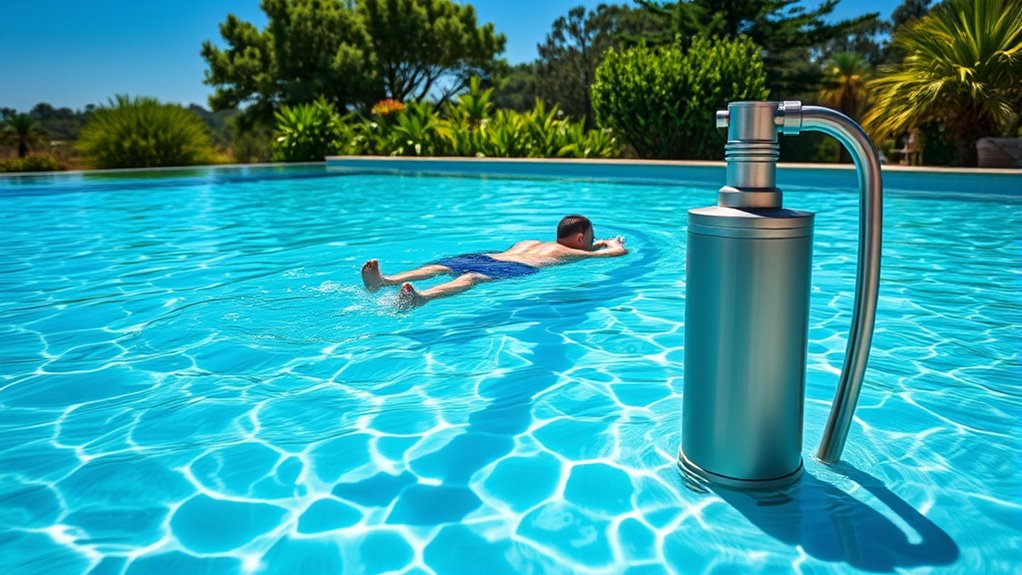
Setting up and maintaining your saltwater pool equipment properly guarantees a clean, safe swim while extending the life of your system. Begin by installing a salt chlorinator with a salt cell, which uses electrolysis to convert salt into chlorine, keeping your pool sanitized.
Regular maintenance includes monthly water testing to monitor salt levels, aiming for about 3000 ppm, and adding salt as needed. Clean your salt cell every 3 to 6 months to prevent buildup and assure efficient chlorine production.
Don’t forget to check and adjust pH, alkalinity, and calcium hardness to optimize performance and protect your equipment. Using corrosion-resistant materials for fixtures and surrounding surfaces helps prevent salt damage, further extending your pool’s lifespan.
Frequently Asked Questions
What Is the Downside of a Salt Water Pool?
The downside of a saltwater pool is its higher initial cost, potential corrosion of metal parts, and the need to replace salt cells every few years.
You’ll also need to maintain salt levels carefully to avoid equipment damage. It’s a bit of a balancing act, but once you get the hang of it, it’s manageable.
Why Do People Prefer Salt Water Pools?
You’ll enjoy saltwater pools because they offer a gentler, more welcoming swim. They’re kinder on your skin and eyes, which makes a big difference.
Plus, they reduce harsh smells, so you’re not overwhelmed by that strong chlorine scent. Maintenance feels less like a chore, too.
That means you get to relax more and spend less time worrying about the pool. Sounds pretty great, right?
Is It Worth Switching to a Salt Water Pool?
Yes, it’s worth switching to a saltwater pool if you want lower maintenance, gentler water, and long-term savings.
You’ll enjoy a more comfortable swim and spend less time and money on chemicals and upkeep.
What Are the Benefits of a Salt Water Pool System?
You’ll love how salt water pools magically clean themselves, sparing you from chemical chaos.
Plus, they’re softer on your skin, smell less like a science lab, and save you money—like a pool that actually works for you!
Conclusion
Choosing a saltwater pool means choosing comfort, savings, and simplicity all at once. You’ll enjoy softer water that’s kinder to your skin and eyes, without that harsh chlorine sting.
Maintenance becomes easier, and your wallet feels the relief over time. Plus, you’re making a healthier choice for the environment.
So, why settle for less when a saltwater pool gives you so much more? It’s not just a pool—it’s a lifestyle upgrade that brings together comfort, cost-effectiveness, and eco-friendliness.
With a saltwater pool, you get gentler water that’s easier on your body, plus lower maintenance costs that save you money in the long run. It’s a smart, sustainable choice for anyone looking to enhance their home and enjoy swimming without the drawbacks of traditional chlorine pools.