
What Is the Best Type of Salt?
You should choose iodized salt as the best type because it provides essential iodine needed for healthy thyroid function. This mineral is crucial for your body, and iodized salt is an easy way to make sure you get enough.
While Himalayan pink, sea salt, and other specialty salts offer unique textures and flavors, their mineral content doesn’t offer significant health benefits.
Iodized salt gives you the same taste and culinary versatility while helping prevent iodine deficiency, which can cause thyroid problems. So, if you’re wondering what type of salt is best, iodized salt is a smart choice.
To understand why iodine matters and how your salt choice impacts health, there’s more to explore.
Key Takeaways
- The best type of salt depends on your culinary needs. Sea salts and finishing salts are often preferred for their texture and visual appeal.
- All salts have pretty much the same sodium levels, so there’s not a big difference in health benefits between them.
- Iodized salt is a good choice if you want to prevent iodine deficiency and support your thyroid health.
- Specialty salts might have tiny amounts of minerals, but they don’t really change the flavor or nutrition in a meaningful way.
- Overall, picking iodized salt is important for your health, especially if you’re pregnant or part of a group that’s prone to iodine deficiency.
Comparing Salt Types: Features, Uses, and Health Considerations
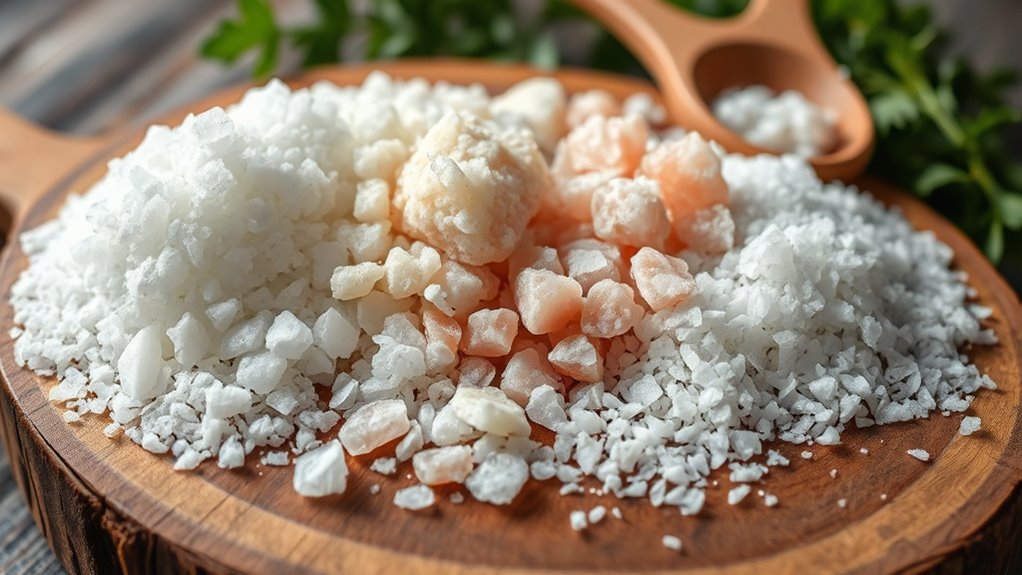
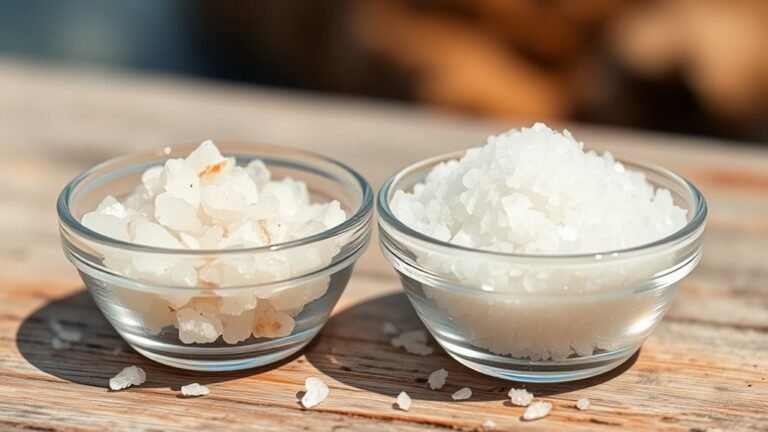
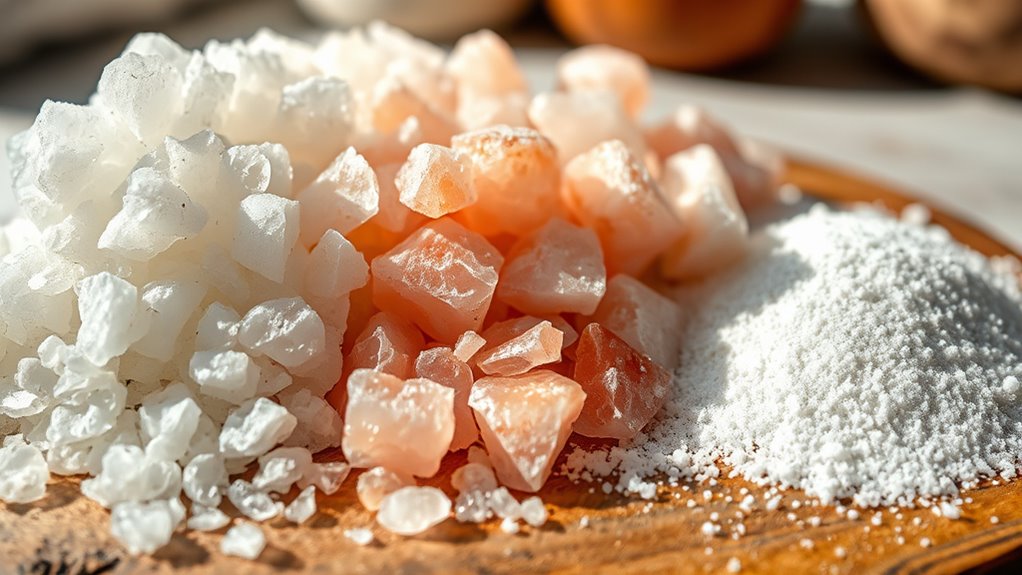
Although all salts like Himalayan pink salt, sea salt, and table salt contain similar sodium levels, they differ mainly in texture and mineral content. When you consider culinary use, sea salt and specialty salts such as finishing salt offer unique textures that enhance your dishes visually and taste-wise.
However, their mineral content is minimal and doesn’t provide notable health benefits compared to regular iodized table salt. Health considerations become important when you think about iodine, an essential nutrient often missing in specialty salts.
Iodine fortification in table salt helps support thyroid function, which sea salt and other specialty salts usually lack. While finishing salts like fleur de sel add appealing texture, they don’t impact sodium levels or health considerably.
Ultimately, choosing between these salts depends more on your taste preference and the dish’s needs rather than health advantages, since sodium levels remain comparable across all types.
Why Iodized Salt Matters for Your Health
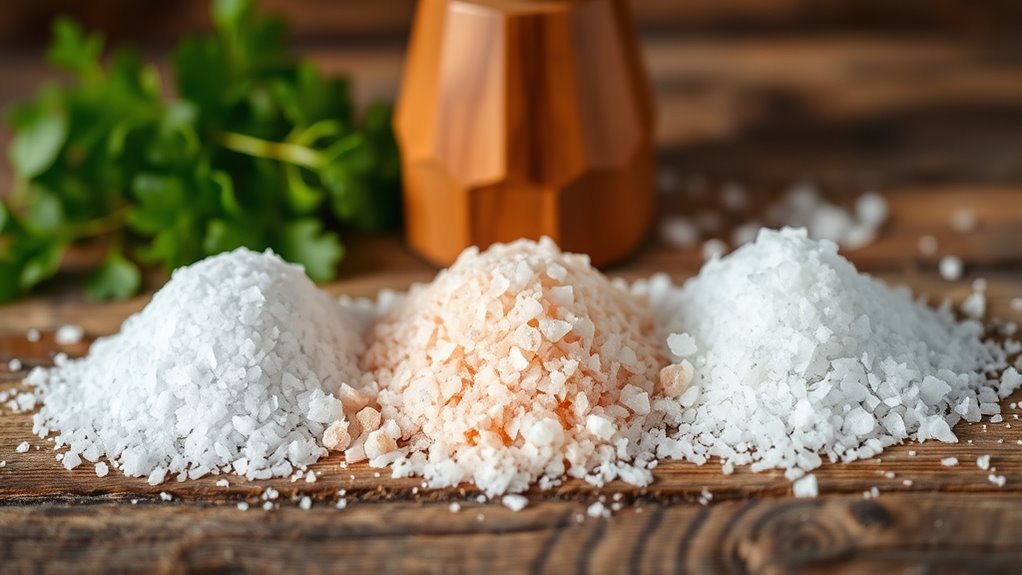
Since iodine plays a crucial role in your thyroid function and hormone production, choosing iodized salt can directly support your health. Iodized salt is regular table salt fortified with iodine, an essential mineral your thyroid gland needs to work properly.
Without enough iodine intake, you risk iodine deficiency, which can lead to serious issues like goiter and hypothyroidism. This deficiency is especially concerning for pregnant women, as inadequate iodine can affect both their health and their baby’s development.
Using iodized salt offers a simple way to maintain proper thyroid health without markedly increasing your sodium intake. The World Health Organization recommends this fortified salt as an effective strategy to prevent iodine deficiency worldwide.
Frequently Asked Questions
What Type of Salt Is Healthiest?
The healthiest salt is iodized salt because it prevents iodine deficiency. You should focus on moderation instead of type since all salts contain similar sodium levels.
Choose salt based on taste and cooking needs rather than health claims. It’s really about how much you use, not just which one you pick.
Which Salt Is Better, Kosher or Himalayan?
Choosing between kosher and Himalayan salt is like picking between a sharp paintbrush or a soft sponge for art—you’ll want kosher salt for quick seasoning.
Himalayan salt is great for a decorative, mineral-rich finish that adds subtle flavor and color.
It really depends on what you’re aiming for in your cooking!
What Is the Highest Quality Salt?
The highest quality salt you’ll find is Fleur de Sel. It’s harvested traditionally and retains natural minerals.
It has delicate flaky crystals that enhance flavor without overpowering. You’ll really appreciate its purity and artisanal touch in your dishes.
Is Himalayan or Celtic Salt Better?
You won’t find Himalayan salt better, nor Celtic salt superior; you’ll find each unique in taste, texture, and color.
You should choose based on flavor and feel, not on health claims or mineral content.
Conclusion
When choosing salt, remember it’s not just about flavor but your health too. Iodized salt acts like a tiny superhero, quietly protecting your thyroid and keeping your body balanced.
While fancy salts add flair to your meals, iodized salt provides essential nutrients you can’t see but definitely need. So, next time you reach for salt, think of it as a small but mighty ingredient that keeps your health shining bright.
In the end, the best type of salt isn’t just about taste—it’s about what it does for your body. Iodized salt offers important health benefits by preventing iodine deficiency and supporting your thyroid function. So, whether you’re cooking or seasoning at the table, choosing iodized salt helps maintain your overall well-being. It’s a simple choice that makes a big difference in your daily nutrition and health.