

What Is the Difference Between Table Salt and Canning Salt?
You’ll want to use canning salt instead of table salt because it’s pure sodium chloride with no additives to cloud your brine or alter flavors. Canning salt is specifically designed for preserving, making it perfect for pickling and canning.
Its fine crystals dissolve quickly and evenly, ensuring clear, crisp pickles and preserves.
Table salt often contains anti-caking agents and iodine, which can cause cloudiness and off-flavors in your canned goods. These additives might not seem like a big deal, but they can really affect the taste and appearance of your preserves.
Choosing the right salt keeps your canned goods visually appealing and tasty.
So, if you want the best results in your canning projects, stick with canning salt. Keep exploring to discover how to pick the best salt for your canning needs.
Key Takeaways
- Canning salt is pure sodium chloride without additives, while table salt contains iodine and anti-caking agents.
- Canning salt has fine crystals that dissolve quickly, unlike table salt’s larger crystals which dissolve slower.
- Additives in table salt can cause cloudy brine and off-flavors in preserved foods.
- Canning salt ensures clear brine and maintains the visual appeal of canned goods.
- Table salt is for seasoning, while canning salt is specifically formulated for food preservation and pickling.
What Makes Canning Salt Different From Table Salt?

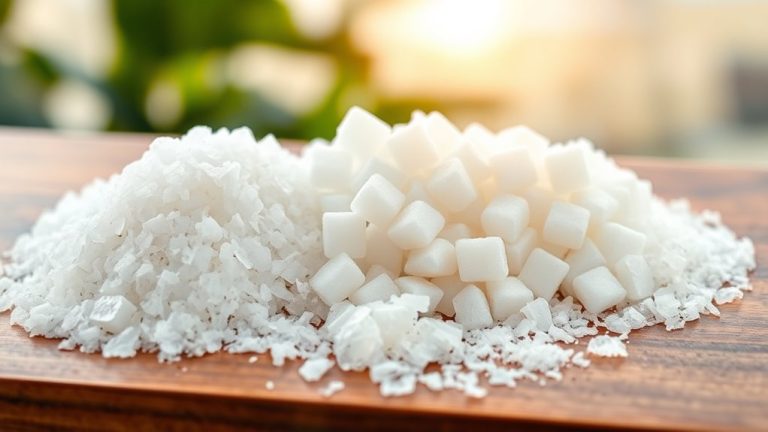
Although table salt and canning salt may look similar, they serve very different purposes in food preservation. Canning salt is pure sodium chloride without any additives, anti-caking agents, or iodine, unlike table salt, which usually contains these extras.
These additives in table salt can cause cloudy brine and affect the flavor or color of your preserved foods. The crystal size also sets them apart: canning salt has a fine texture that dissolves quickly and evenly, ensuring clear brine essential for pickling and preservation.
Additives in table salt cloud brine and alter flavor, while fine canning salt ensures clear, even dissolution for perfect preservation.
In contrast, table salt’s larger crystals take longer to dissolve and may leave residue, clouding your jars. Because canning salt lacks additives and has a uniform crystal size, it maintains the clarity and consistency you need in your preservation process.
When you use canning salt, you can trust your pickles and canned goods will look and taste just right without unwanted cloudiness or off-flavors. It really makes a difference in the final product.
How To Choose the Right Canning Salt for Pickling and Canning

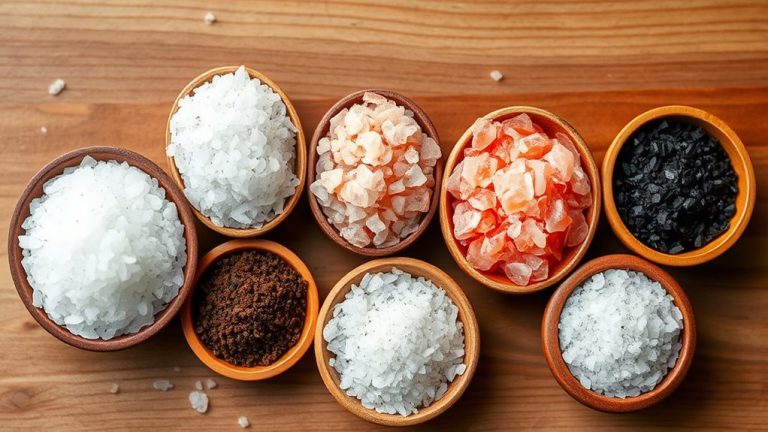
When selecting salt for your pickling and canning projects, you’ll want to choose one labeled specifically as “canning” or “pickling” salt to guarantee purity and rapid dissolving.
Canning salt is pure sodium chloride without additives, ensuring excellent brine clarity and preserving your food’s appearance. Avoid salts with anti-caking agents since they cloud the brine and reduce preservative quality.
If you substitute fine sea or kosher salt, always measure by weight to maintain correct salt concentration.
| Feature | Importance in Canning Salt |
|---|---|
| Purity | No additives for safe preservation |
| Dissolve Speed | Quickly dissolves for clear brine |
| Additives | None to avoid brine cloudiness |
| Salt Concentration | Measured by weight for accuracy |
| Brine Clarity | Clear for visual appeal |
Choosing the right salt ensures your pickles stay crisp, safe, and visually perfect. It’s a small step that makes a big difference!
Frequently Asked Questions
How Much Table Salt Equals Canning Salt?
You’ll need about 1 1/4 teaspoons of table salt to match 1 teaspoon of canning salt. Since grain sizes differ, weighing your salt helps you get the right amount, especially for pickling or fermentation.
It’s kind of a simple swap, but getting it right makes a big difference in your recipe’s outcome. So, if you’re measuring by volume, keep that ratio in mind!
Why Don’t Chefs Use Table Salt?
You don’t use table salt because its additives cause cloudiness and discoloration. Plus, its fine grains make precise seasoning tricky.
Chefs prefer purer salts like kosher or canning salt. They offer better control and a cleaner flavor.
Can I Use Regular Table Salt for Canning?
You can use regular table salt for canning, but it’s like using a flashlight with weak batteries—it works, but not perfectly.
You’ll need to adjust amounts and accept cloudier brine compared to canning salt’s clear results.
It’s not the end of the world, but if you want the best look and taste, canning salt is usually the better choice.
What Is the Best Substitute for Canning Salt?
The best substitute for canning salt is pure kosher salt or fine sea salt without additives.
Just grind coarse salt finely and weigh it accurately to match canning salt’s purity and grain size for safe preservation.
It’s pretty straightforward once you get the hang of it! This way, your preserves stay safe and tasty.
Conclusion
When you’re canning, choosing the right salt is essential. Unlike table salt, canning salt doesn’t contain additives that can cloud your brine or affect flavor.
Imagine you’re pickling cucumbers for a family gathering—using table salt might make the brine cloudy and alter the taste. But with canning salt, your pickles stay crisp and clear, preserving that perfect homemade flavor everyone loves.
So, always opt for canning salt to get the best results. Canning salt’s pure, additive-free nature ensures your preserves have the ideal texture and taste. This makes a big difference compared to table salt, which often contains iodine and anti-caking agents that can impact both appearance and flavor. For successful canning, using the right salt is key to keeping your pickles, jams, and other preserves fresh and delicious every time.