
7 Reasons Which Is Worse for Your Health: Salt or Sugar
Sugar is worse for your health because it raises blood pressure faster and causes more heart damage than salt. It activates your sympathetic nervous system, which then leads to insulin resistance, inflammation, and impaired blood vessel function. These effects make sugar a major culprit in heart disease.
Sugary drinks alone contribute nearly half of your added sugar intake, making them a huge risk factor. Cutting back on sugar lowers blood pressure quicker and reduces heart disease risk more effectively than cutting salt.
So, keeping sugar in check is really key to protecting your cardiovascular health.
And honestly, there’s even more to uncover about how sugar impacts your body. It’s definitely worth paying attention to what you’re consuming every day!
Key Takeaways
- Sugar intake raises blood pressure more significantly and rapidly than salt by activating the sympathetic nervous system and causing insulin resistance.
- Both salt and sugar promote inflammation and water retention, but sugar triggers broader metabolic disturbances and oxidative stress.
- Excess sugar, especially fructose, worsens insulin resistance, metabolic syndrome, and vascular function, increasing long-term cardiovascular risk.
- Hidden sugars in processed foods contribute heavily to hypertension and heart disease, often more than sodium from the same sources.
- Reducing sugar intake leads to faster and greater improvements in blood pressure and cardiovascular health than reducing salt alone.
Salt vs Sugar: Which Is Worse for Your Heart?
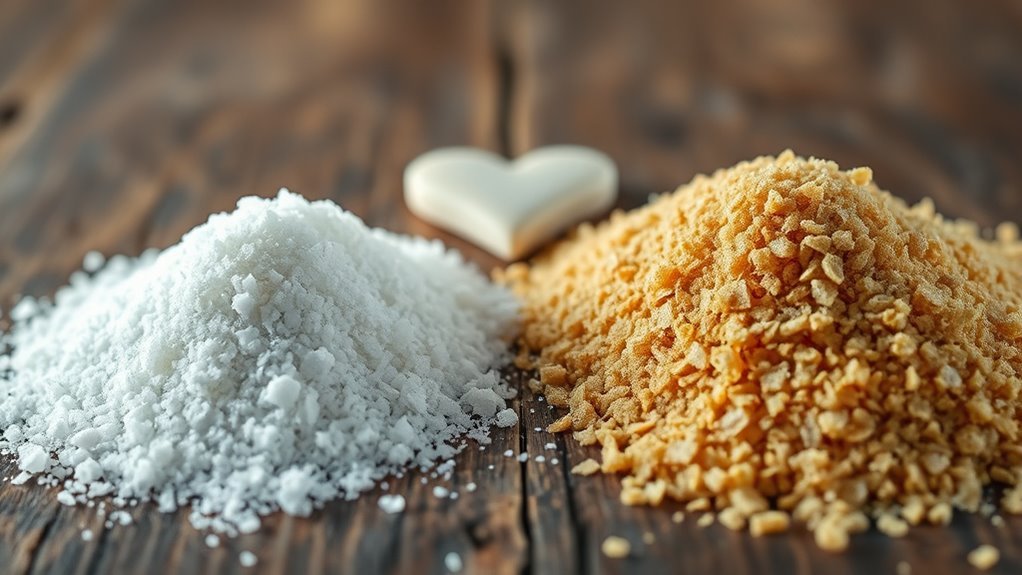
While both salt and sugar can harm your heart when consumed in excess, sugar poses a greater threat due to its wide-ranging effects on metabolism and inflammation. High sugar intake triggers metabolic effects like insulin resistance, which can worsen your heart health over time.
Unlike high salt, which mainly raises blood pressure through water retention and vascular resistance, sugar activates inflammatory pathways and the sympathetic nervous system. This increases cardiovascular risk more broadly.
Cutting back on sugar intake often lowers blood pressure by 7-15 mm Hg, sometimes more effectively than reducing salt alone. This means sugar not only affects blood pressure but also promotes inflammation and metabolic disturbances that strain your heart.
How Excess Salt Affects Blood Pressure and Heart Health
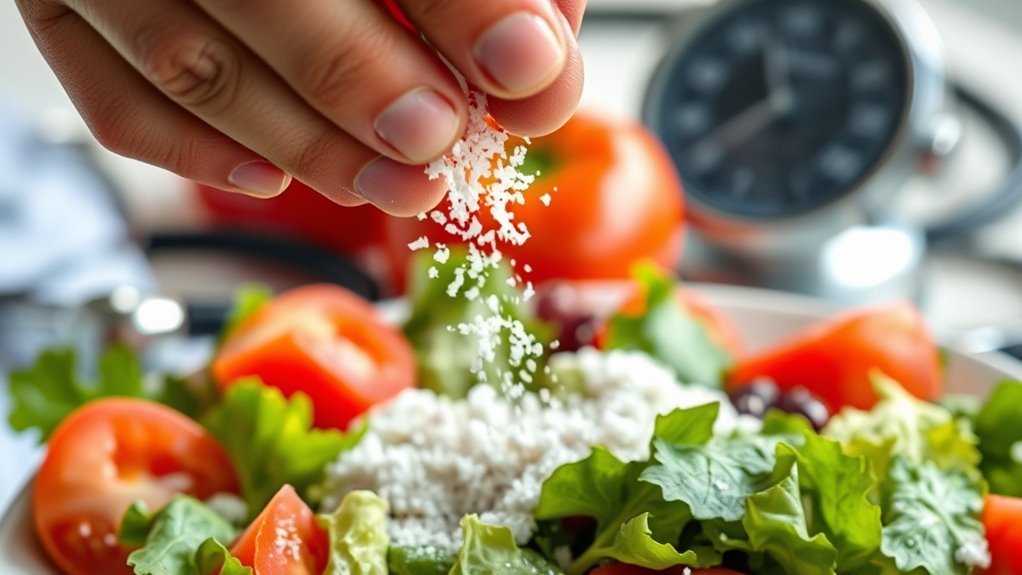
Sugar’s impact on your heart is significant, but salt also plays a major role in cardiovascular health by directly influencing blood pressure. When you consume too much salt, the excess sodium causes your body to retain water, which increases blood volume and raises blood pressure.
High salt intake, especially above 2,300 mg of sodium daily, puts you at a greater risk for developing hypertension—a key factor in cardiovascular disease. Elevated blood pressure damages your arteries over time, making heart attacks and strokes more likely.
By cutting back on salt, you can lower your blood pressure and improve your overall heart health. Managing your salt intake isn’t just about avoiding hypertension; it’s about protecting your cardiovascular system from long-term damage.
How Sugar Raises Blood Pressure and Heart Disease Risk
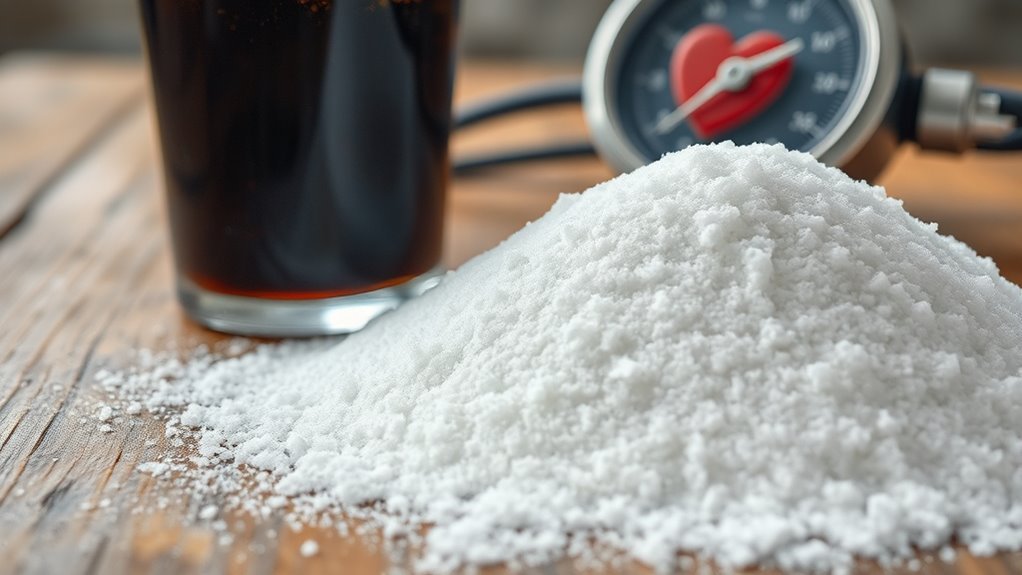
Because consuming high amounts of sugar, especially fructose, triggers your sympathetic nervous system and raises vascular resistance, it can directly increase your blood pressure.
Drinking just 24 ounces of soda can boost your systolic blood pressure by about 15 points, showing how sugar intake can lead to hypertension.
Sugar also promotes insulin resistance and hyperinsulinemia, which further raise blood pressure and increase your cardiovascular risk.
Beyond these effects, fructose drives inflammation and oxidative stress, worsening heart disease risk.
Here’s a quick look:
| Effect | Cause | Impact on Health |
|---|---|---|
| Blood Pressure Increase | Sympathetic Nervous System | Hypertension |
| Insulin Resistance | Excess Sugar Intake | Elevated Cardiovascular Risk |
| Inflammation | Fructose | Heart Disease Development |
| Oxidative Stress | High Sugar Diet | Tissue Damage |
Cutting back on sugar helps lower hypertension and protects your heart.
Why Processed Foods High in Salt and Sugar Harm Heart Health
You might not realize how much hidden sodium and sugar are packed into processed foods, but they quietly raise your blood pressure and strain your heart.
Consuming these foods regularly increases your risk of heart disease by causing inflammation and water retention.
Cutting back on processed snacks can make a big difference in protecting your cardiovascular health.
Hidden Sodium And Sugar
Although processed foods often taste savory or sweet on their own, they usually hide high levels of both sodium and added sugars like sucrose and high-fructose corn syrup. These hidden sodium and added sugars in processed foods can quietly damage your health by promoting hypertension, insulin resistance, and metabolic syndrome.
All of these raise your risk of cardiovascular disease. To protect yourself, pay close attention to food labels and watch out for these common traps:
- Bread and baked goods often contain unexpected sodium and sugars.
- Condiments, including ketchup and salad dressings, pack both salt and sugar.
- Pasta sauces frequently have hidden sodium and added sugars.
- Processed snacks combine these ingredients, encouraging overconsumption.
Processed Foods’ Cardiovascular Risks
Processed foods contain high levels of both salt and sugar, which together pose serious risks to your cardiovascular health. These foods are the main source of excessive sodium intake and added sugars, both of which elevate cardiovascular risk.
High sodium raises your blood pressure, putting strain on your heart. Meanwhile, added sugars—especially fructose—trigger insulin resistance and activate the sympathetic nervous system, increasing heart disease risk.
Consuming too many processed foods also promotes inflammation and metabolic syndrome, worsening your overall heart health. By cutting back on processed foods, you reduce both salt and sugar consumption, helping lower blood pressure and improve insulin sensitivity.
This simple change can markedly decrease inflammation and the risk of cardiovascular complications linked to these harmful dietary factors. It’s really worth considering if you want to protect your heart.
How Fructose Drives Hypertension and Metabolic Problems
You might not realize that fructose can push your blood pressure higher by activating your sympathetic nervous system and making your heart work harder.
It also messes with insulin, leading to resistance that fuels hypertension.
Understanding these effects shows how fructose directly contributes to metabolic problems and high blood pressure.
Fructose and Blood Pressure
How exactly does fructose affect your blood pressure? Consuming fructose triggers several harmful processes that raise your blood pressure and worsen your metabolic health. Here’s how:
First, fructose stimulates insulin release, which can lead to insulin resistance and impaired insulin sensitivity. It also raises triglycerides and promotes metabolic syndrome, both of which are linked to high blood pressure.
On top of that, fructose activates the sympathetic nervous system. This causes vasoconstriction and increases vascular resistance, making your blood pressure go up.
Even short-term fructose intake can have an effect. It can increase systolic blood pressure by about 6.2 mm Hg and elevate your heart rate.
If you consume high amounts of fructose chronically, it also fuels inflammation. This inflammation further contributes to hypertension.
Insulin Resistance Mechanisms
Although fructose might seem harmless in small amounts, it triggers a cascade of insulin-related problems that drive hypertension and metabolic issues. When you consume fructose, your body ramps up insulin release, eventually causing insulin resistance.
This resistance disrupts normal blood vessel function by reducing nitric oxide availability, a key molecule for vascular health. Fructose metabolism in your liver produces uric acid, which worsens this effect, promoting hypertension.
Insulin resistance also increases sodium retention, further raising your blood pressure. Over time, these changes contribute to metabolic syndrome, a cluster of conditions that greatly increase your health risks.
Understanding how fructose drives these insulin resistance mechanisms helps explain why high sugar intake can be so damaging to your cardiovascular and metabolic health. It’s pretty clear that cutting back on sugar isn’t just good advice—it’s essential for keeping your body in balance.
Sympathetic Nervous Activation
Fructose doesn’t just disrupt insulin signaling; it also kicks your sympathetic nervous system (SNS) into overdrive. This SNS activation drives several harmful effects that elevate your blood pressure and worsen metabolic problems.
Here’s how fructose impacts you:
- Fructose triggers your sympathetic nervous system, increasing heart rate and vasoconstriction, which raises blood pressure.
- Over time, insulin resistance from fructose worsens SNS activity, linking it to chronic hypertension.
- Excess fructose raises oxidative stress and lowers nitric oxide, impairing vessel dilation and amplifying vasoconstriction.
- SNS activation boosts renin secretion and sodium retention, increasing vascular resistance and sustaining high blood pressure.
Why Cutting Sugar Lowers Blood Pressure Faster Than Salt
When you cut added sugar from your diet, your blood pressure can drop within weeks because it reduces insulin resistance and calms the sympathetic nervous system. Sugar, especially fructose found in sugary beverages, rapidly raises both systolic and diastolic blood pressure, more so than salt.
By lowering sugar intake, you decrease inflammation and oxidative stress—two major drivers of high blood pressure. Sugary drinks alone contribute nearly half of added sugar consumption, so eliminating them makes a big difference.
Studies show that reducing sugar leads to faster improvements in cardiovascular health compared to modest sodium reduction. This is because excess sugar directly impacts insulin resistance, making your body less efficient at regulating blood pressure.
When you focus on cutting sugar instead of salt, you tackle the root causes more effectively, helping your blood vessels relax and reducing strain on your heart. Ultimately, lowering sugar intake is a quicker path to healthier blood pressure levels.
How to Reduce Salt and Sugar Without Losing Flavor
If you want to cut back on salt and sugar without sacrificing taste, you can rely on herbs, spices, and citrus fruits to boost flavor naturally. These ingredients help you reduce salt and reduce sugar while keeping your meals vibrant and satisfying.
Here’s how to do it effectively:
- Use herbs, spices, and citrus zest or juice in your cooking to enhance flavor without added salt or sugar.
- Gradually decrease salt and sugar in your recipes to give your taste buds time to adjust.
- Replace processed snacks with whole foods like nuts, fruits, and vegetables, which naturally contain less salt and sugar.
- Cook meals at home using fresh, whole ingredients to control seasoning and avoid hidden sodium and sugars.
Frequently Asked Questions
Which Is Worse, Too Much Salt or Sugar?
Sugar is worse for your health because it increases cardiovascular risk, promotes insulin resistance, and affects cholesterol and inflammation.
While salt raises blood pressure, sugar’s widespread metabolic effects cause more serious long-term damage.
What Three Foods Do Cardiologists Say to Avoid?
Ever wonder what’s lurking in your favorite snacks? Cardiologists say you should avoid fast food, sugary sodas, and processed baked goods.
Don’t let these foods sneakily raise your blood pressure and harm your heart health. It’s easier than you think to make small changes that really add up.
How to Flush Sugar and Salt Out of Your Body?
You can flush out sugar and salt by drinking plenty of water and eating potassium-rich foods. Staying active to sweat also helps your body get rid of excess salt.
Avoid processed foods as much as possible. Adding natural diuretics like cucumber, lemon, and parsley to your diet regularly can make a big difference too. It’s all about giving your body the support it needs to balance itself naturally.
What Is the #1 Worst Food for Blood Sugar?
Imagine you drink a large soda after lunch—that’s the worst for your blood sugar. It spikes your levels instantly, overwhelming your insulin response and increasing diabetes risk.
Avoid sugary drinks to keep your blood sugar steady. Trust me, cutting them out can make a big difference!
Conclusion
When it comes to your heart, both salt and sugar can throw a wrench in the works. But sugar often does more damage faster. Cutting back on sugar can lower your blood pressure quicker than salt, making it a smart first step.
Still, don’t toss salt out completely—balance is key. By trimming both without sacrificing flavor, you’ll keep your heart happy and avoid biting off more than you can chew.
In the end, managing your intake of salt and sugar is all about balance. Too much of either can harm your health, but sugar tends to have a quicker and more severe impact on blood pressure and heart health. So, focusing on reducing sugar first can give you faster benefits, while keeping salt in moderation helps maintain overall well-being. Remember, a heart-healthy diet doesn’t mean flavorless meals—it means smart choices that protect your health without sacrificing taste.