
Which Salt Is Best to Use?
You should use iodized salt to make sure you get enough iodine, which supports your thyroid and overall health. This type of salt helps prevent iodine deficiency, especially during pregnancy, when your body needs it most.
Choosing iodized salt means you’re balancing essential minerals while keeping an eye on sodium intake.
Controlling sodium is key for good health, but you don’t have to sacrifice flavor. Use herbs and spices to enhance your meals without adding extra salt.
If you want to learn how to pick the best salt type and manage sodium intake, there’s more helpful info ahead.
Key Takeaways
- Iodized salt is best for ensuring adequate iodine intake and supporting thyroid health.
- Choose coarse or flaky salts like kosher salt for better sodium control in cooking.
- Fine, refined salts have higher sodium density per teaspoon, so you’ll want to measure carefully.
- Unrefined salts offer trace minerals but contain similar sodium levels to regular salt.
- At the end of the day, moderation and measuring how much salt you use matter more than the type of salt itself.
Understanding Iodized Salt and Its Health Benefits
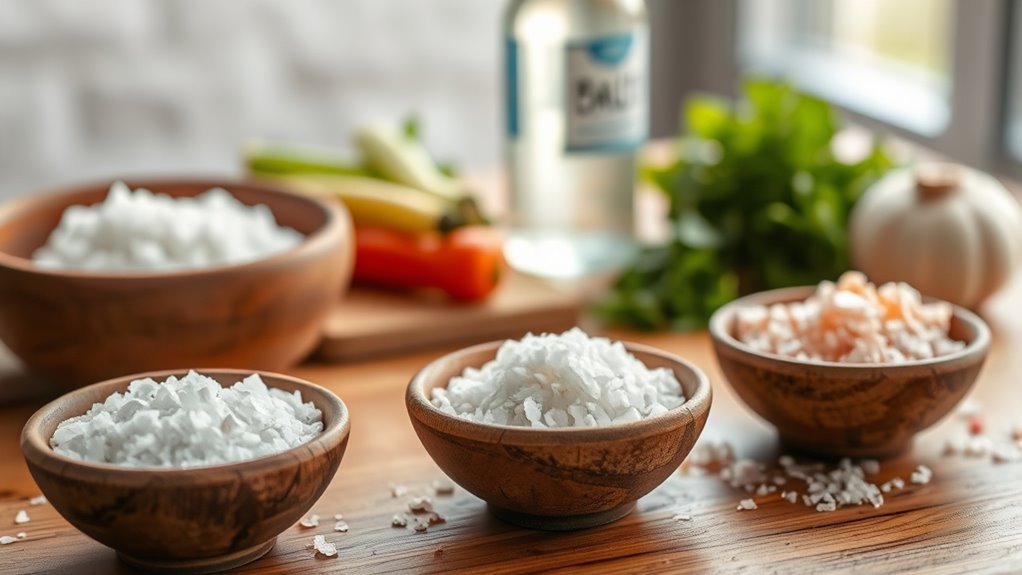
Although you might not think much about the salt you use daily, choosing iodized salt can considerably impact your health. Iodized salt is just regular table salt with added iodine, an essential mineral for thyroid health and the production of thyroid hormones.
Choosing iodized salt supports thyroid health by providing essential iodine for hormone production.
Without enough iodine, you risk iodine deficiency, which can cause goiter, developmental problems, and intellectual impairments. This makes salt with iodine a simple but effective way to maintain proper iodine intake.
Pregnant women especially benefit from iodized salt, as many don’t get enough iodine. This makes iodine supplementation through salt and health choices vital during pregnancy.
While adults often avoid symptoms thanks to their thyroid’s ability to compensate, vulnerable groups should still prioritize iodized salt benefits. Using iodized salt in your cooking and on the table ensures you meet daily iodine needs and support overall thyroid function.
Picking the Best Salt for Cooking Without Overdoing Sodium
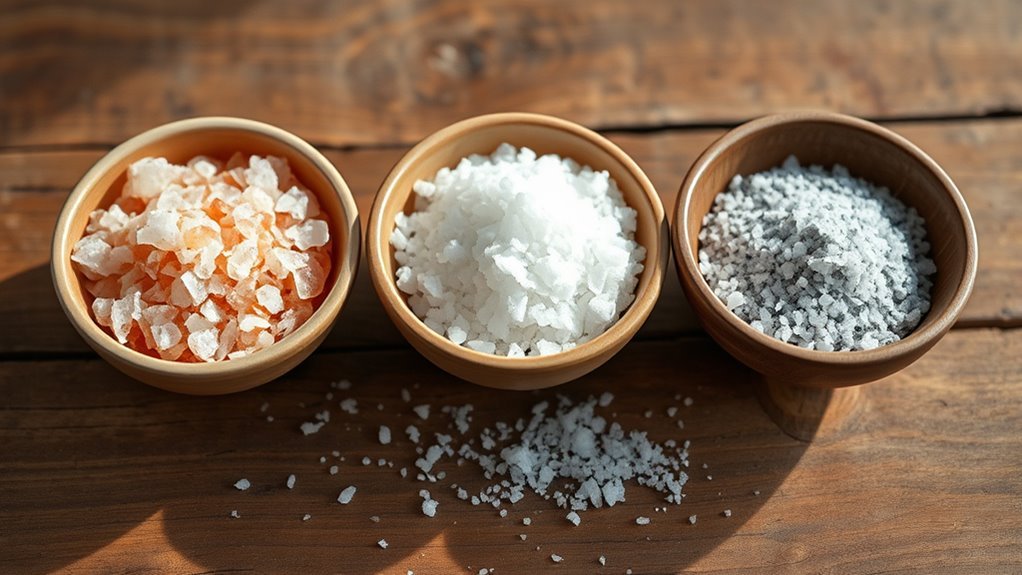
Choosing iodized salt helps safeguard your iodine intake, but when it comes to cooking, managing how much sodium you add matters just as much. To pick the best salt for cooking without overdoing sodium, focus on measurement control.
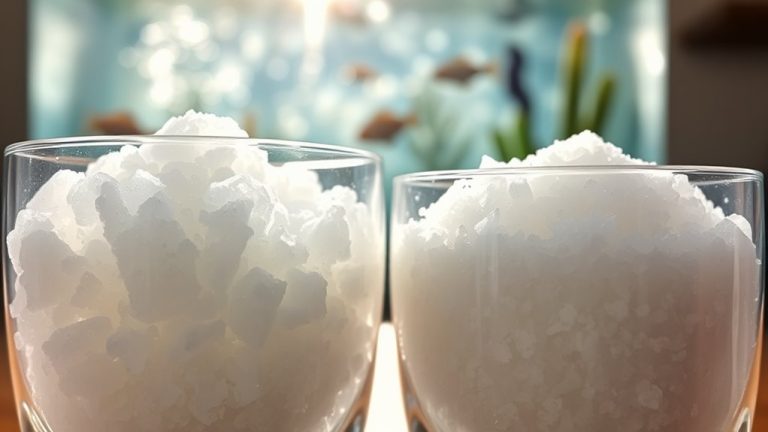
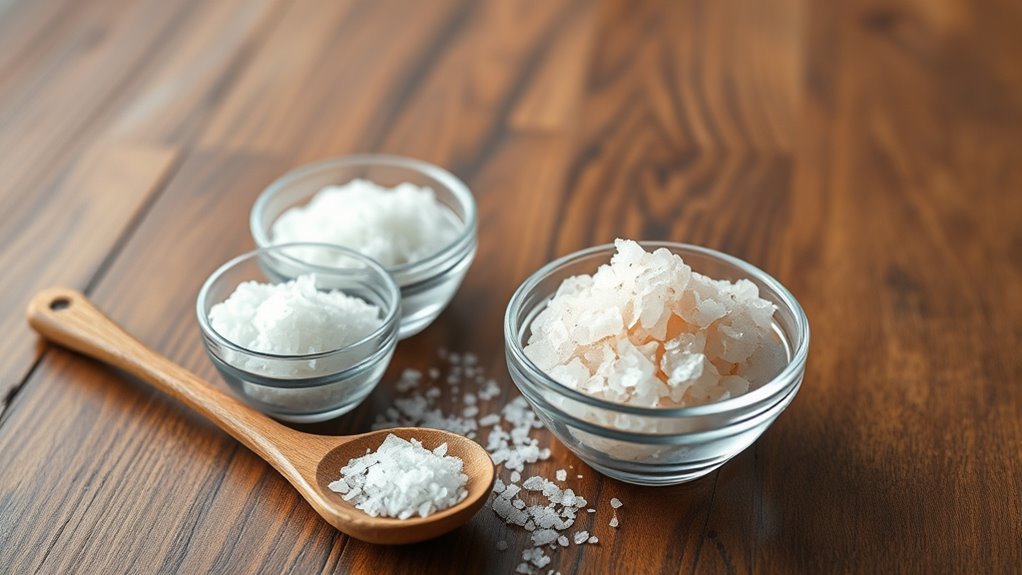
Using coarse or flaky culinary salt like kosher salt lets you add less sodium per teaspoon compared to fine, refined salt. Unrefined salts such as sea salt and pink Himalayan salt contain trace minerals, but these don’t remarkably affect sodium content, so moderation is key.
You can also try salt substitutes like potassium chloride to reduce sodium, but use them cautiously if you have health concerns. Remember, the best sodium reduction strategy isn’t just about salt type—it’s about how much you use.
Enhance your dishes with herbs and spices to cut back on salt without sacrificing flavor. By being deliberate with salt—regardless of the kind—you’ll keep your sodium intake in check while enjoying tasty meals.
Frequently Asked Questions
Which Salt Is the Least Healthy?
You’ll find highly processed salts with impurities the least healthy. They can introduce harmful substances.
Stick to natural, minimally processed salts instead. And don’t forget to watch your overall sodium intake to keep your health in check.
Is Himalayan or Celtic Salt Better?
You’ll find both Himalayan and Celtic salt contain over 80 trace minerals, but neither is markedly healthier.
Choose based on flavor and texture preferences since their nutritional benefits are nearly identical.
Which Is Healthier, Sea Salt or Iodized Salt?
You’ll find iodized salt healthier since it prevents iodine deficiency, which is essential for thyroid health. Sea salt does have trace minerals, but it doesn’t contain significant iodine.
Which Salt to Avoid?
You should avoid unrefined sea salts with impurities. Salt substitutes containing potassium chloride should also be avoided unless you have medical advice.
Specialty salts with artificial additives aren’t a great choice either. And when it comes to Himalayan pink salt, it’s best to skip it just for the minerals.
Highly processed table salts with chemicals and anti-caking agents? Yeah, steer clear of those too.
Conclusion
So, you want to be the salt superstar in your kitchen? Go for iodized salt—your thyroid will thank you, even if it doesn’t throw you a party. Sure, all salts add flavor, but why gamble with plain old sodium overload when you can sprinkle a little health into your meals?
Remember, too much salt is like that clingy friend—fun in small doses, but nobody wants it crashing every dinner. Use wisely, chef!
Choosing the best salt isn’t just about taste; it’s about nutrition too. Iodized salt stands out because it helps prevent iodine deficiency, which is essential for thyroid health. While other salts like sea salt or Himalayan salt might add unique flavors or minerals, they usually don’t provide iodine. So if you want to keep your meals tasty and your body happy, iodized salt is the best choice to keep your sodium intake in check without missing out on important nutrients. Sprinkle smart, and your thyroid and taste buds will both thank you!