
Will Epsom Salt Help Poison Ivy?
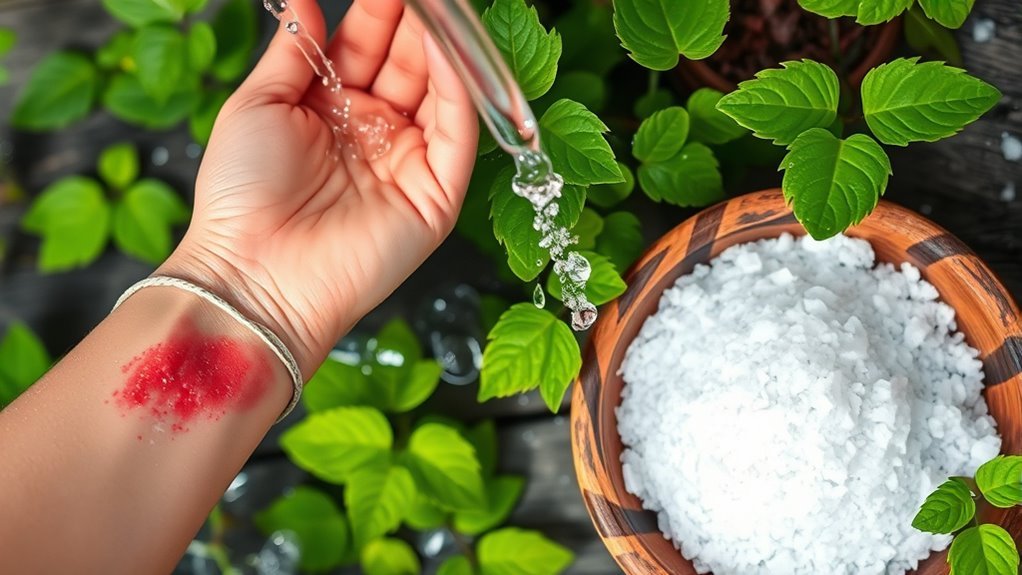
Yes, Epsom salt can help soothe poison ivy by reducing itching, swelling, and inflammation. Soaking in a lukewarm Epsom salt bath for at least 12 minutes draws moisture from the rash and relaxes skin muscles, easing discomfort.
This simple remedy is a popular choice for those looking to calm the irritating symptoms of poison ivy naturally.
You can also use Epsom salt compresses for quick relief whenever the itching becomes intense. Just be sure to combine it with other treatments like calamine lotion for the best results.
And don’t overdo the baths—too much soaking can actually cause more irritation. Keep reading to discover the best ways to use Epsom salt safely and effectively when dealing with poison ivy.
Key Takeaways
- Epsom salt baths can help reduce itching and inflammation caused by poison ivy rash. This is thanks to magnesium, which has muscle-relaxing properties.
- If you soak in lukewarm water with dissolved Epsom salt for at least 12 minutes, it helps draw moisture out and calms nerve irritation.
- Using Epsom salt compresses can decrease nerve firing, giving you quick relief from itching and skin irritation.
- Regular use of Epsom salt supports the natural healing process of irritated and swollen skin.
- Plus, when you combine Epsom salt baths with topical treatments like calamine lotion, it can boost overall relief from poison ivy symptoms.
How Epsom Salt Relieves Poison Ivy Rash Itching and Inflammation
Although poison ivy rashes can cause intense itching and inflammation, using Epsom salt can provide effective relief. You can soothe your skin irritation by applying a cold Epsom salt compress, which helps decrease nerve firing and offers quick relief from itching.
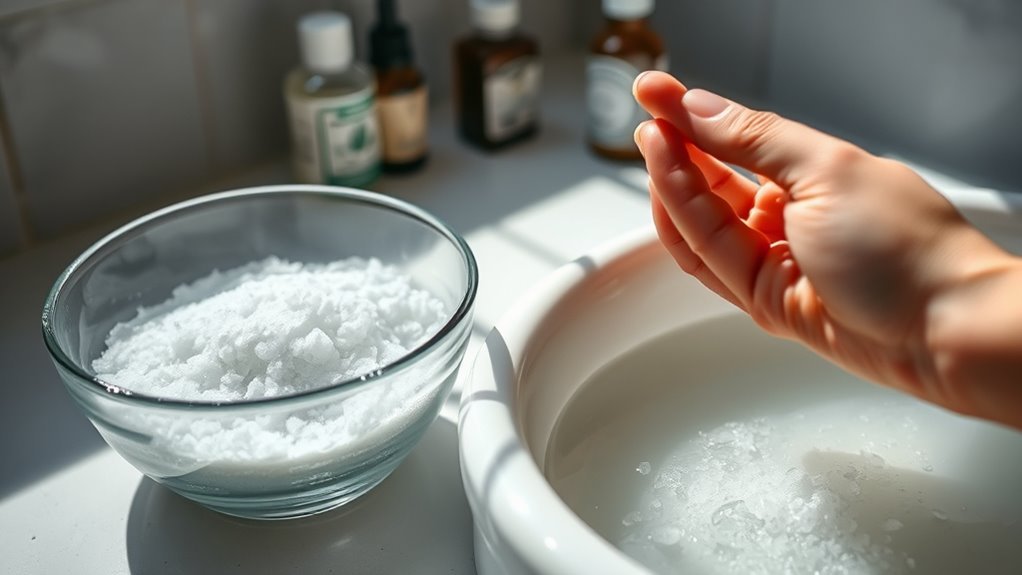
Alternatively, soaking in an Epsom salt bath for at least 12 minutes draws moisture out of the rash, calming the irritated skin. The magnesium in Epsom salt plays a vital role by relaxing skin muscles and reducing the swelling linked to poison ivy inflammation.
This natural remedy not only eases discomfort but also supports the healing process when used regularly. Whether you choose a compress or a bath, Epsom salt acts as a gentle yet effective way to manage the symptoms of poison ivy rash.
How To Use Epsom Salt Baths Safely With Other Poison Ivy Remedies
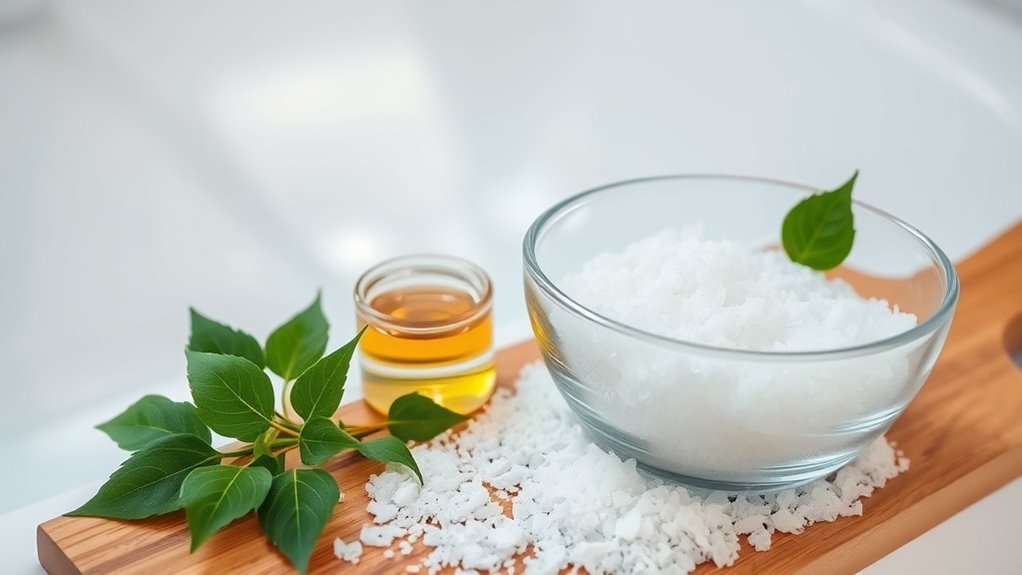
Using Epsom salt baths can profoundly ease poison ivy symptoms, but combining them with other treatments can improve your results even more. Start by dissolving Epsom salt thoroughly in lukewarm water to create a soothing bath. Soak for at least 12 minutes to promote skin healing by drawing out moisture and calming nerve irritation.
After your bath, apply surface remedies like calamine lotion or hydrocortisone cream for enhanced rash treatment and skin relief. You can also use a soothing compress or alternate with oatmeal baths to boost symptom relief.
Just be careful not to overuse Epsom salt baths, as prolonged exposure may cause skin irritation. By integrating these methods, you’ll manage poison ivy more effectively, addressing itching, swelling, and rash symptoms in a thorough manner.
This balanced approach ensures your skin finds relief without risking further irritation, making Epsom salt baths a valuable part of your poison ivy care routine.
Frequently Asked Questions
Can You Soak in Epsom Salt for Poison Ivy?
Yes, you can soak in Epsom salt for poison ivy. Add about 2 cups to warm water, soak for 12 minutes, and you’ll help reduce itching, swelling, and inflammation quickly and safely.
It’s a simple way to ease the discomfort without much hassle. Just make sure the water isn’t too hot, so it doesn’t irritate your skin more.
What Dries up Poison Ivy the Fastest?
The fastest way to dry up poison ivy is by using cool compresses and applying Epsom salt baths or pastes. These draw out moisture, reduce swelling, and soothe itching.
This helps your rash heal quicker and feel better. Give it a try—you’ll likely notice some relief pretty fast!
Does Dawn Dish Soap Get Rid of Poison Ivy?
Yes, Dawn dish soap can help get rid of poison ivy if you use it quickly. It breaks down the urushiol oil, which is the stuff that causes the rash. This reduces how much the oil gets absorbed by your skin and how bad the rash becomes.
Just make sure to scrub thoroughly and rinse well for the best results. The sooner you wash the area, the better it works. So, don’t wait too long to clean up after exposure!
Does Salt Water Help Get Rid of Poison Ivy?
Yes, salt water can help ease poison ivy by reducing itching and swelling. You’ll find it soothes inflammation and dries blisters.
But for best results, combine it with other treatments to fully manage the rash. That way, you’re tackling it from all sides and giving your skin the best chance to heal.
Conclusion
If you’re dealing with poison ivy, you might be surprised to learn that about 85% of people react to its oil, causing that itchy rash. While the rash can be really uncomfortable, there are ways to ease the symptoms.
Epsom salt won’t cure poison ivy, but it can help ease itching and reduce inflammation when used in a warm bath. It’s a simple and soothing option to add to your skincare routine during an outbreak.
Just remember, for the best relief, it’s important to combine Epsom salt with other treatments like calamine lotion or antihistamines. These work together to calm your skin more effectively.
So, if you’re wondering, will Epsom salt help poison ivy? Yes, it can soothe your skin safely and provide some comfort. Give it a try as part of your overall poison ivy treatment plan!