
Will Epsom Salt Help Poison Ivy?
Yes, Epsom salt can help ease poison ivy by reducing inflammation, itching, and swelling. It’s a simple and natural way to soothe your skin when you’re dealing with that uncomfortable rash. Using Epsom salt for poison ivy is quite popular because it helps calm the irritation.
You can soak in a lukewarm bath with two cups of Epsom salt for about 12 minutes. This allows the salt to work its magic by drawing out toxins and calming your skin.
Alternatively, you can apply a cold compress made from dissolved Epsom salt to affected areas for quick relief.
Just make sure to use USP-designated Epsom salt and avoid overusing it to prevent irritation. If you want to find out the best ways to use it safely and effectively, keep exploring. It’s always good to know how to get the most benefit without any unwanted side effects.
Key Takeaways
- Epsom salt contains magnesium sulfate, which can help reduce poison ivy skin inflammation and swelling.
- Soaking in an Epsom salt bath for at least 12 minutes might soothe itching and irritation.
- You can also apply an Epsom salt compress directly to the rash for more targeted relief. This helps calm the symptoms right where you need it.
- Just make sure to use only USP-designated Epsom salt. And try not to overdo it, since too much can cause skin irritation.
- If your symptoms get worse or don’t improve, it’s best to stop using Epsom salt and check in with a doctor.
How Epsom Salt Can Ease Poison Ivy Itching
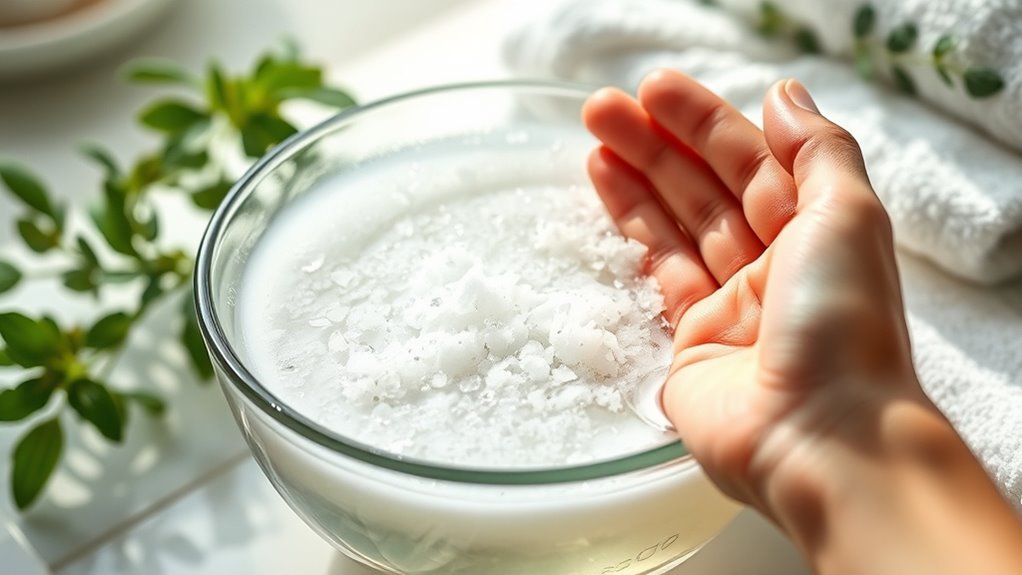
Although poison ivy rashes can cause intense itching and discomfort, using Epsom salt can help ease these symptoms effectively. When you apply an Epsom salt compress or soak in an Epsom salt bath, you introduce magnesium sulfate, which works wonders on inflamed skin.
This mineral helps draw moisture out of the rash, reducing swelling and calming the itching sensation. By using a cold compress soaked in Epsom salt solution, you can find quick, soothing relief right where you need it most.
A bath with Epsom salt for at least 12 minutes also relaxes irritated skin and lessens the urge to scratch, preventing further damage. It’s a method that’s not only effective but also affordable and easy to do at home.
Tips for Using Epsom Salt Baths Safely for Poison Ivy
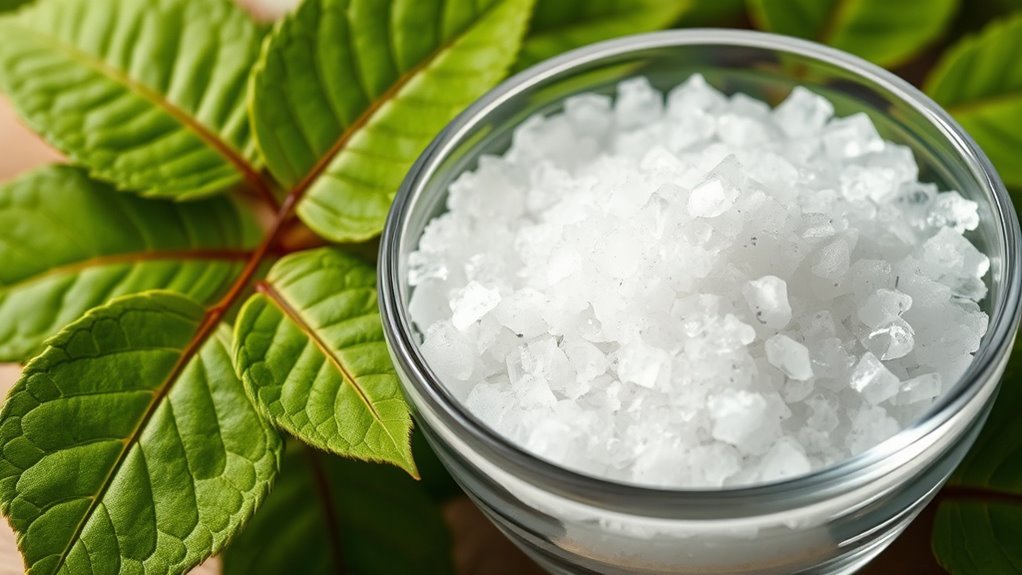
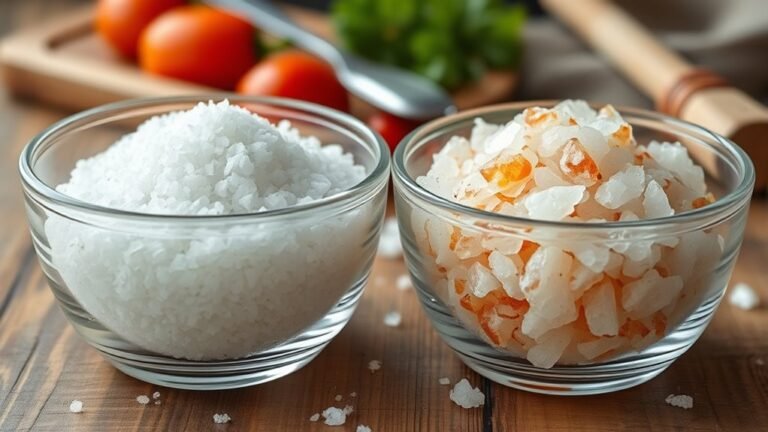
When you use Epsom salt baths to soothe poison ivy, it’s important to follow safe practices to avoid skin irritation and maximize relief. Use Epsom salt with a USP designation to guarantee safe use and avoid potential allergic reactions.
Add 2 cups of Epsom salt to a bathtub filled with lukewarm water, and soak for at least 12 minutes to help reduce itching and swelling. You can also try an Epsom salt compress by dissolving 2 tablespoons in cold water, soaking a cloth, and applying it to affected areas for targeted relief.
To boost skin healing and comfort, combine Epsom salt soaks with other soothing remedies like colloidal oatmeal. Just be careful not to overdo it—too much Epsom salt can actually worsen skin irritation.
If you notice increased redness, swelling, or discomfort, stop using Epsom salt and check in with a healthcare professional. Following these tips will help you use Epsom salt baths safely and effectively to ease poison ivy symptoms.
Frequently Asked Questions
Can You Soak in Epsom Salt for Poison Ivy?
Yes, you can soak in Epsom salt for poison ivy. Add 2 cups to a warm bath and soak for at least 12 minutes.
Repeat as needed to help reduce itching and inflammation. It’s a simple way to soothe your skin.
But remember, if your symptoms get worse, always check with your doctor. They can make sure you’re taking the right steps to heal.
What Dries up Poison Ivy the Fastest?
To dry up poison ivy fastest, soak in a lukewarm Epsom salt bath for at least 12 minutes or apply an Epsom salt compress. It reduces inflammation, dries blisters, and speeds healing effectively.
This method really helps calm things down quickly. Plus, it’s pretty easy to do at home. Just make sure the water isn’t too hot, or it might irritate your skin more.
Does Dawn Dish Soap Get Rid of Poison Ivy?
They say “a stitch in time saves nine,” and Dawn dish soap works just like that—you’ll want to wash your skin within 30 minutes of poison ivy exposure.
This helps break down urushiol and reduce the chance of a rash. It’s pretty effective if you act quickly.
Does Salt Water Help Get Rid of Poison Ivy?
Yes, salt water can help reduce poison ivy symptoms by drying out the rash and soothing irritation. You can soak or apply a saltwater compress to ease itching, but it won’t completely get rid of poison ivy.
It’s a helpful trick to calm things down a bit, but don’t expect it to be a cure-all. If the rash gets worse or doesn’t improve, you might want to try other treatments or see a doctor.
Conclusion
When dealing with poison ivy, remember that “an ounce of prevention is worth a pound of cure.” Using Epsom salt baths can ease itching and reduce inflammation, giving you much-needed relief. Just be sure to follow safe soaking tips to avoid drying out your skin.
While Epsom salt won’t cure poison ivy outright, it’s a helpful tool in your itch-fighting arsenal. It soothes the rash and calms irritation, making those uncomfortable symptoms more manageable. So go ahead, give it a try and soothe that rash with Epsom salt.
In conclusion, Epsom salt can be a great natural remedy to help relieve the itching and inflammation caused by poison ivy. Although it won’t completely cure the rash, it supports your skin’s healing process and provides much-needed comfort. Remember to use it safely and consistently for the best results. Incorporating Epsom salt baths into your routine is a simple, effective way to tackle poison ivy symptoms and promote healing.