

5 Types of Salt and Which Is Best for You
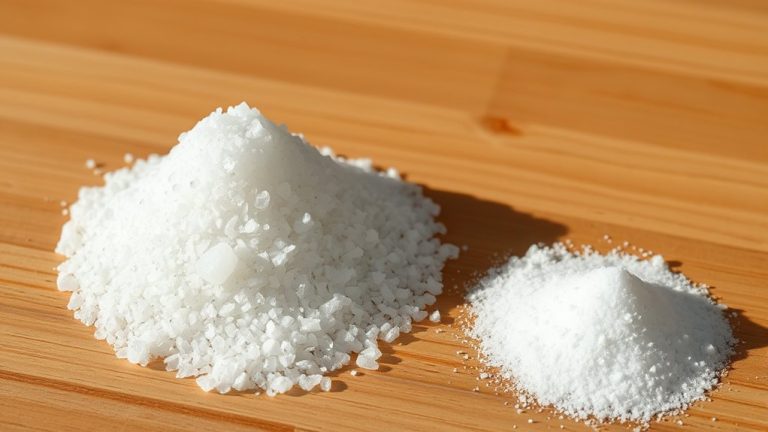
You’ll find five main types of salt: table salt, sea salt, kosher salt, Himalayan pink salt, and fleur de sel. Each type has its own unique qualities, but they all contain about the same amount of sodium.
So, when it comes to health, the differences are pretty minimal.
Iodized table salt is best if you want to prevent iodine deficiency, which is important for supporting thyroid health.
On the other hand, specialty salts like Himalayan pink salt or fleur de sel add unique flavors and colors to your dishes.
But don’t expect them to boost your nutrition much.
If you’re curious about how to use these salts or want to understand their effects better, there’s definitely more to explore.
Salt isn’t just salt—it’s a small but interesting part of cooking and nutrition!
Key Takeaways
- Common salt types include table salt, sea salt, pink Himalayan salt, kosher salt, and iodized salt.
- Iodized salt is best for preventing iodine deficiency and supporting thyroid health.
- Specialty salts like pink Himalayan offer unique flavors and textures but don’t really provide significant health benefits.
- Sodium content is pretty much the same across all salts, so moderation is key no matter which type you use.
- It’s best to choose salt based on what you’re cooking and the flavor you prefer, rather than any supposed nutritional differences.
Main Types of Salt and Their Mineral Differences
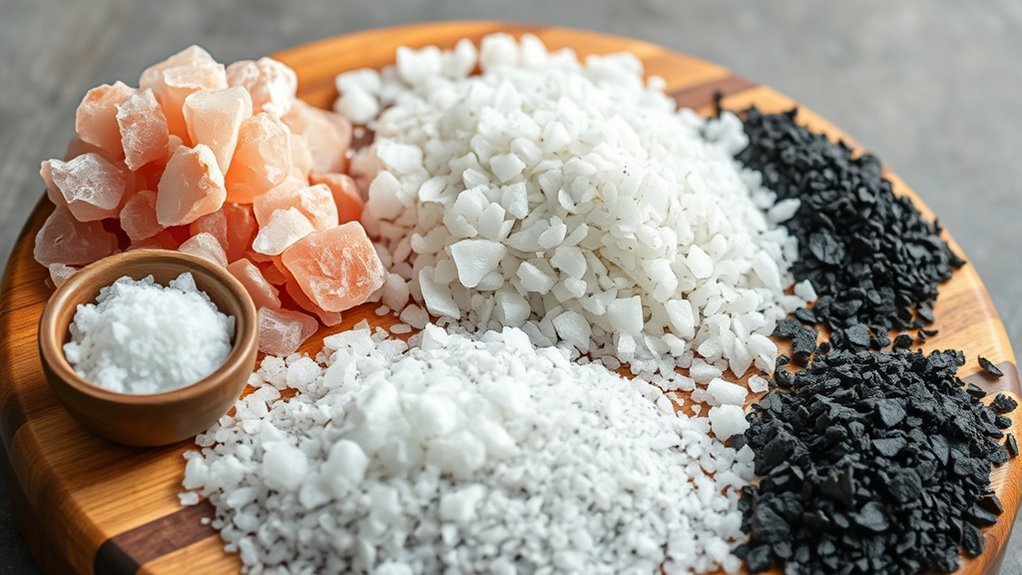
Although different types of salt like pink Himalayan, sea salt, and iodized table salt may seem distinct, they all contain about the same amount of sodium chloride by weight. When you look at the salt composition, the sodium content remains consistent across these types of salt, meaning their impact on your diet is similar.
Different salts like pink Himalayan and sea salt have similar sodium content and dietary impact.
Pink Himalayan salt and sea salt do contain trace minerals such as magnesium and potassium, but these minerals are present only in tiny amounts. So, they don’t provide meaningful health benefits.
Sea salt varieties like Celtic or fleur de sel offer unique flavors and textures due to these minerals. But nutritionally, they’re close to regular table salt.
Iodized salt is fundamentally regular table salt with added iodine, but aside from that, its mineral content aligns with other salts.
Why Iodized Salt Is Important for Your Health
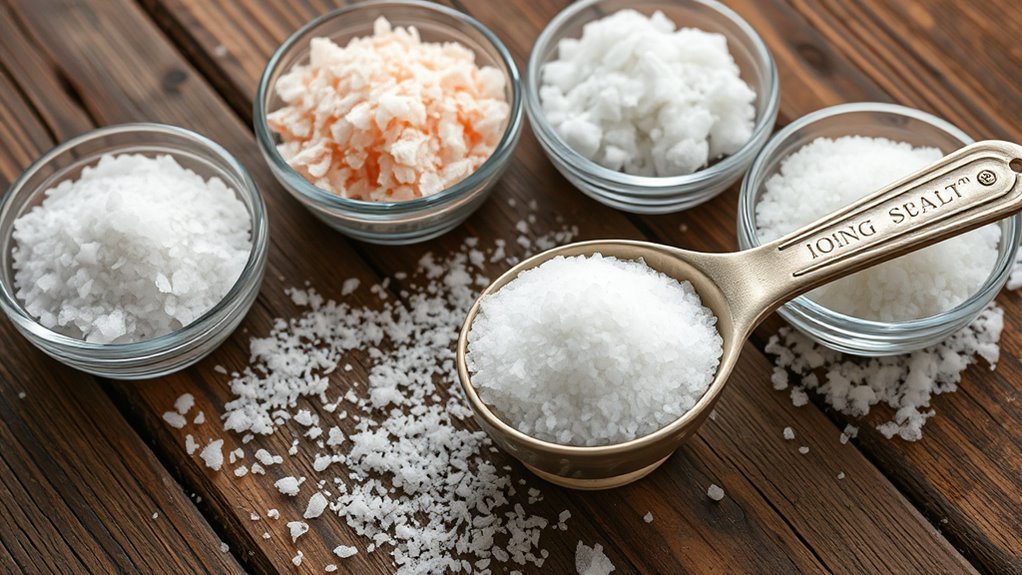
While many salts offer similar mineral content, iodized salt stands out because it provides a key nutrient your body needs: iodine. This essential mineral supports proper thyroid function, which regulates your metabolism and hormone production.
Without enough iodine, you risk iodine deficiency, leading to thyroid health issues like goiter and developmental problems, especially in pregnant women and children. Since many people don’t consume enough iodine-rich foods such as seafood, using iodized salt daily is an easy way to boost your iodine intake and prevent deficiency.
This simple switch offers significant health benefits by supporting proper thyroid function and overall well-being. If you’re concerned about your iodine levels, consider iodine supplementation.
But incorporating iodized salt into your diet remains one of the most effective and accessible methods to maintain adequate iodine intake and promote thyroid health.
Sodium Content and Health Effects of Different Salts
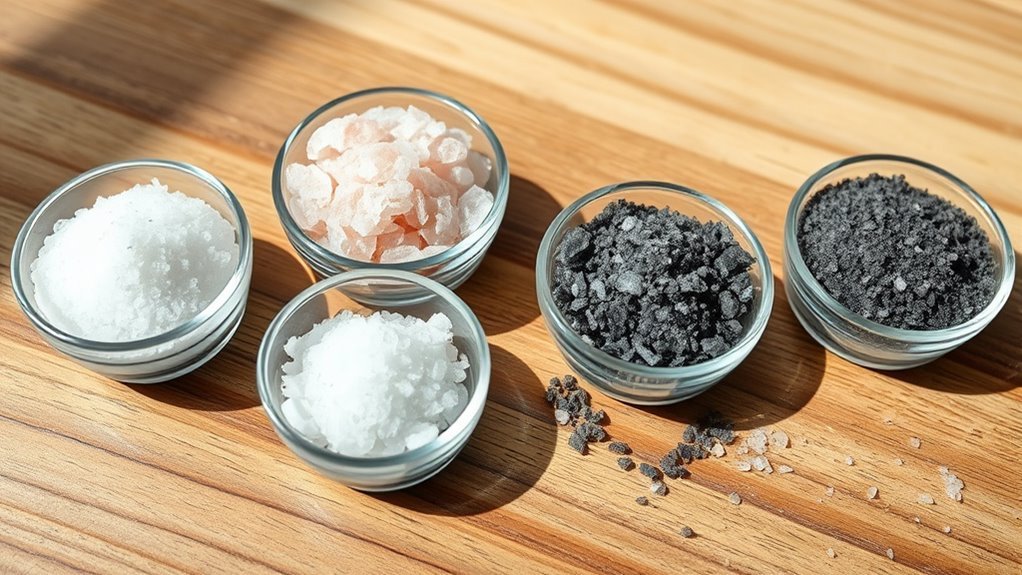
When choosing between different types of salt, you might assume their sodium content varies considerably, but all salts contain roughly the same amount of sodium by weight. Whether you pick refined salt or specialty salts like Himalayan pink salt or sea salt, the sodium content remains nearly identical.
While specialty salts do contain trace minerals, their amounts are too small to offer significant health effects. Trying to consume large quantities of mineral-rich salts for health benefits would only increase your sodium intake, raising your risk of high blood pressure and related heart issues.
Trace minerals in specialty salts are minimal and won’t offset the health risks of excess sodium intake.
Most of your sodium likely comes from processed foods, pushing the average daily intake well above the recommended 2,300 mg limit. No salt type provides a clear health advantage over others, so it’s crucial to moderate how much salt you use overall.
Understanding this helps you make informed choices without being swayed by marketing claims about mineral content or specialty salts. It’s all about balance, really, not the type of salt you choose.
How Trace Minerals Influence Salt’s Flavor and Color
If you’ve ever noticed the pink hue of Himalayan salt or the deep color of black salt, you’re seeing the impact of trace minerals like iron oxide. These trace minerals give Himalayan pink salt its distinctive rosy color and a subtle flavor that sets it apart from regular table salt.
The mineral content in specialty salts, including magnesium and calcium, also plays a role in shaping their flavor profile and texture. While these mineral levels vary slightly among different salts, they don’t drastically change the culinary or nutritional properties.
However, they do add to the salt’s visual appeal, making it more vibrant or opaque. So, when you use Himalayan pink salt or other colored salts, you’re not just adding saltiness but a touch of subtle flavor and unique color thanks to these trace minerals.
This combination enhances the overall sensory experience of your dishes without overpowering them.
Choosing the Best Salt for Cooking and Your Diet
The unique flavors and colors that trace minerals bring to specialty salts might catch your eye, but choosing the right salt for cooking and your diet involves more than just appearance. All salt types contain similar sodium levels, so health differences between them are minimal.
Your cooking needs should guide your choice: use coarser salts like kosher salt for recipes requiring slower dissolution, fine salts for baking, and specialty salts like fleur de sel as finishing salt to enhance flavor and presentation. Iodized salt stands out by helping prevent iodine deficiency, especially if you don’t consume enough seafood or supplements.
While salt processing varies, it doesn’t markedly affect health benefits. Regardless of the salt you pick, moderation is key—excessive intake can cause health issues no matter the mineral content.
Frequently Asked Questions
What Is the Healthiest Salt to Use Daily?
The healthiest salt to use daily is iodized salt because it helps prevent iodine deficiency.
You should focus on limiting your overall sodium intake rather than switching salt types to maintain good health and avoid risks.
It’s really more about how much salt you use, not just the type. Keeping an eye on your total sodium is what counts most.
Which Salt to Avoid?
You should avoid salts with contaminants like lead or microplastics. These are often found in some Himalayan pink salts.
Also, steer clear of salt substitutes that are high in potassium. This is especially important if you have kidney issues or take certain medications.
Is Himalayan or Celtic Salt Better?
You won’t find a clear winner between Himalayan and Celtic salt since their health benefits and sodium content are similar.
Choose based on flavor or appearance, not nutrition. And remember, use both sparingly to stay healthy.
Which Salt Is the Least Healthy?
You’ll find the least healthy salts are specialty ones like some sea salts that might contain impurities such as heavy metals or microplastics.
They can pose more risks than refined table salt if consumed excessively. So, it’s good to be mindful about the type of salt you use.
Conclusion
Choosing the right salt is like picking the perfect soundtrack for your meal—each one adds its own unique flavor and vibe. Remember, iodized salt has helped prevent iodine deficiency worldwide, much like a simple tune that keeps the rhythm of good health steady.
By understanding the mineral content and health effects, you can season your dishes—and your life—with the salt that suits you best. Whether it’s sea salt, Himalayan, or kosher, each type brings something different to the table.
So, when choosing salt, think about what your body needs and what flavors you love. Your palate and body will thank you for it with better taste and balanced nutrition. Picking the best salt isn’t just about flavor—it’s about supporting your health with the right minerals every day.