
What’s Worse Sugar or Salt?
You’re harming your heart more by consuming excess sugar than eating salt. Sugar activates your sympathetic nervous system and increases blood vessel resistance, which raises blood pressure more than salt does. It also spikes insulin, leading to insulin resistance and higher cardiovascular risk.
Cutting sugar can lower your systolic blood pressure by about 7 mm Hg, more than salt reduction. If you want to understand why managing sugar matters so much for your heart health, keep going.
Let’s dive into why sugar is worse for your heart than salt, and how making small changes can make a big difference.
Key Takeaways
- Cutting sugar lowers systolic blood pressure by about 7 mm Hg, which is more than the 4-5 mm Hg reduction you get from cutting salt.
- Excess sugar activates the sympathetic nervous system and causes insulin resistance. This makes metabolic and cardiovascular health worse.
- High sugar intake from processed foods actually triples your cardiovascular risk. On the other hand, reducing salt has only a modest impact on blood pressure.
- Natural sugars found in whole foods aren’t as harmful as the added sugars in processed foods and sugary sodas.
- Managing your sugar intake gives you bigger benefits for heart health and preventing metabolic syndrome than just focusing on salt alone.
How Excess Sugar Raises Blood Pressure and Harms Heart Health
Although sugar might seem harmless, consuming too much—especially fructose—can raise your blood pressure by activating your sympathetic nervous system and increasing resistance in your blood vessels. When you consume large amounts of added sugars, especially from processed foods and sugary sodas, your body responds with a surge in insulin release.
Over time, this can lead to insulin resistance, a key driver of hypertension and metabolic syndrome. Drinking just 24 ounces of soda can spike your systolic blood pressure by about 15 mm Hg, notably boosting your cardiovascular risk.
Unlike natural sugars found in whole foods, added sugars in processed foods are a major contributor to elevated blood pressure and heart problems. If more than 25% of your daily calories come from added sugars, your risk of dying from cardiovascular events triples.
Understanding how excess sugar harms your heart health is essential for managing blood pressure and reducing the risk of serious conditions like hypertension and metabolic syndrome. So, keeping an eye on your sugar intake really matters!
Why Cutting Sugar Matters More Than Salt for Your Blood Pressure and Heart
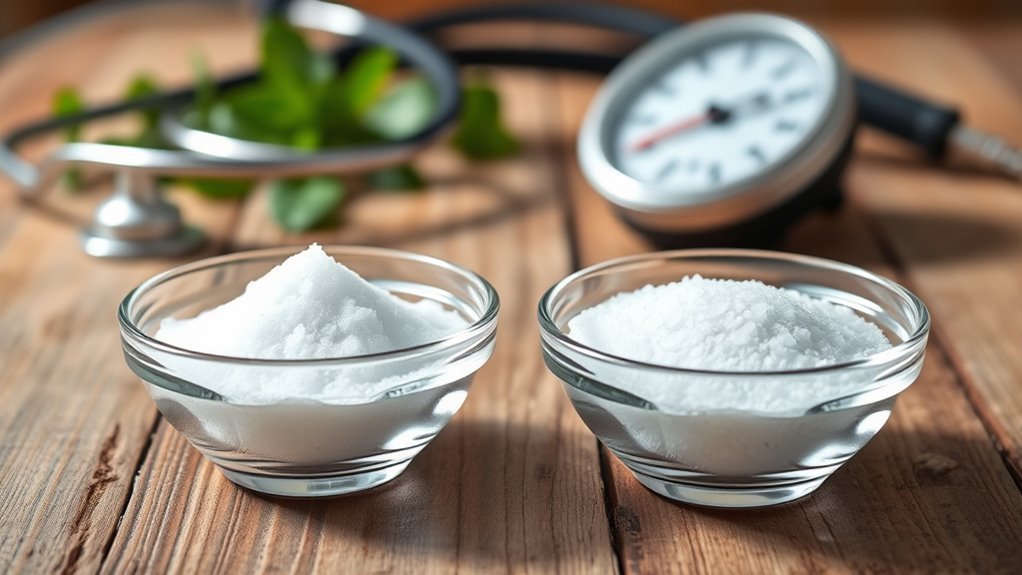
When you cut back on sugar, especially from processed foods and sugary drinks, you can lower your blood pressure more effectively than by just reducing salt. Excess sugar triggers insulin resistance and activates your sympathetic nervous system, leading to hypertension and increased cardiovascular risk.
In fact, reducing sugar can drop systolic blood pressure by about 7 mm Hg, compared to a 4-5 mm Hg decrease from salt reduction alone. Since Americans consume far more added sugars than recommended, focusing on cutting sugar improves metabolic health and lowers the risk of heart disease more considerably.
| Factor | Impact on Blood Pressure & Heart Risk |
|---|---|
| Sugar (added sugars) | Raises blood pressure, insulin resistance, increases cardiovascular risk |
| Salt | Modest blood pressure increase, less impact on metabolic health |
| Processed Foods | Major source of excess sugar, contributes to hypertension and heart disease |
Frequently Asked Questions
Is It Better to Cut Out Salt or Sugar?
It’s better to cut out added sugar because it impacts your heart, metabolism, and inflammation more broadly.
Reducing sugar improves multiple health risks, while cutting salt mainly helps control blood pressure.
What Are the 5 Signs You’re Eating Too Much Sugar?
You’re eating too much sugar if you feel tired constantly and crave sweets often. You might also notice that you’re gaining belly fat, which can be a real pain.
Plus, if you get hungrier soon after meals, that’s another sign. And don’t forget about your skin — acne or dullness can show your sugar intake is out of balance. It’s like your body’s way of sending you a little warning!
Is Salt Safer Than Sugar?
Imagine salt and sugar dancing on your tongue—salt’s safer in small doses, but sugar’s sneaky.
You’ll find sugar raises risks faster, so cutting back on sweets does more good for your heart and blood pressure.
What Happens After 2 Weeks of No Sugar?
After two weeks without sugar, you’ll notice lower blood pressure, reduced cravings, and improved energy.
Your inflammation and blood triglycerides drop, insulin sensitivity improves, and your mood stabilizes with fewer blood sugar swings.
Conclusion
You might think salt is the main culprit behind high blood pressure, but it turns out excess sugar plays a bigger role. Cutting back on sugar can lower your blood pressure and protect your heart more effectively than just reducing salt.
So, next time you reach for that sugary snack, remember: managing sugar intake matters more than you might’ve believed. Taking control of your sugar can seriously boost your heart health and overall wellbeing.
In fact, sugar impacts your blood pressure and heart health in ways salt doesn’t. Reducing sugar intake not only helps prevent high blood pressure but also lowers your risk of heart disease. Focusing on limiting sugar, especially added sugars in processed foods, is key to better cardiovascular health.
Ultimately, prioritizing sugar reduction over salt can make a bigger difference in managing blood pressure and protecting your heart. So, keep an eye on your sugar intake for improved heart health and overall wellness—it’s a game changer!